






A full polishing range.
From cutting and one-step correction to final finishing.
Specialist chemistry. Expert application.
 QUARTZ99 / CERAMIC BASE COAT
The foundation of your coating system.
A layerable quartz base coat designed for mechanical protection. Pair it with a suitable top coat to create the final finish.
For application by NANOLAB certified installers only.
Four formulas. Extended working time. Find the coating for your finish.
Explore the BEAST family of ceramic coatings.
Find the coating for each exterior surface.
 PPF & VINYLGLOSSProtection for glossy films and wraps.Discover
 MATTE & SATINMATTEProtection that respects the finish.Discover
 GLASSWINDOWSExplore dedicated glass protection.Discover
 WHEEL PROTECTIONWHEELSA dedicated coating for your wheels.Discover
 TRIM PROTECTIONPLASTICProtection for plastic surfaces.Discover
Dedicated care for the surfaces inside.
 LEATHER SURFACESLEATHERDiscover NANOLAB leather protection.Discover PLASTIC SURFACESPLASTICProtection for interior plastic surfaces.Discover TEXTILE SURFACESFABRICExplore the latest fabric formulation.Discover
Spray protection, maintenance and upcoming wash products.
 MAINTENANCEBEAST 365Explore the BEAST maintenance range.Discover
Next in washing, cleaning & care.
Ceramic protection for boats and yachts.
An easy-to-apply ceramic coating with an established track record on boats and yachts around the world.
Results vary with surface preparation, exposure and maintenance.
Read 50 MARINE guides →Explore MARINEProtection for the surfaces you live with.
A look at what we’re developing.
From cutting and one-step correction to final finishing.
A wider range for professional vehicle care.
Taking shape alongside BEAST & MATRIX.
Practical guidance for your next coating project.
Explore all guides →
Choose and organise towels, applicators, wash equipment and inspection tools.
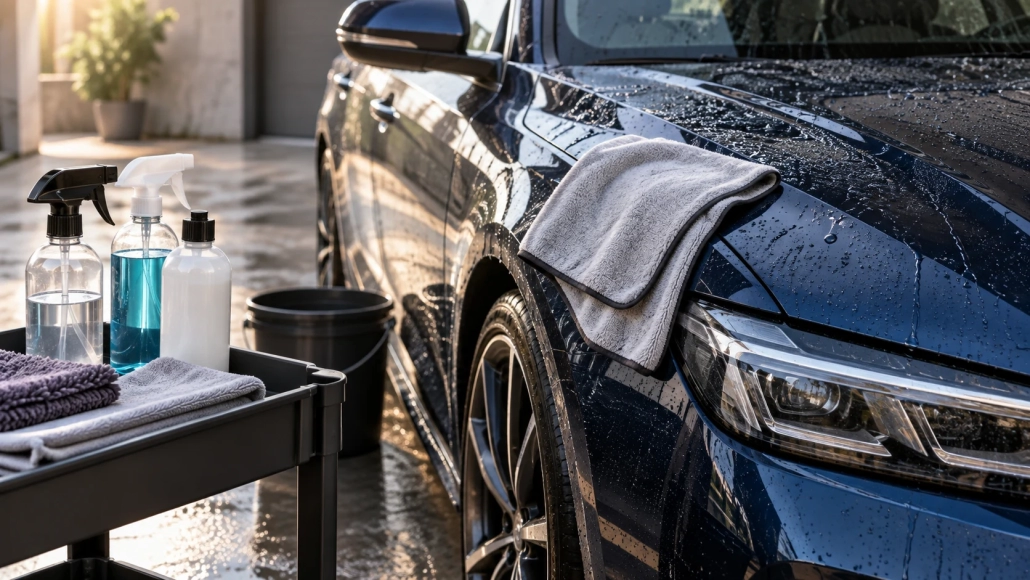
Distinguish towel residue, incomplete rinsing and drying-aid buildup before assuming that streaks mean a problem with the ceramic coating.
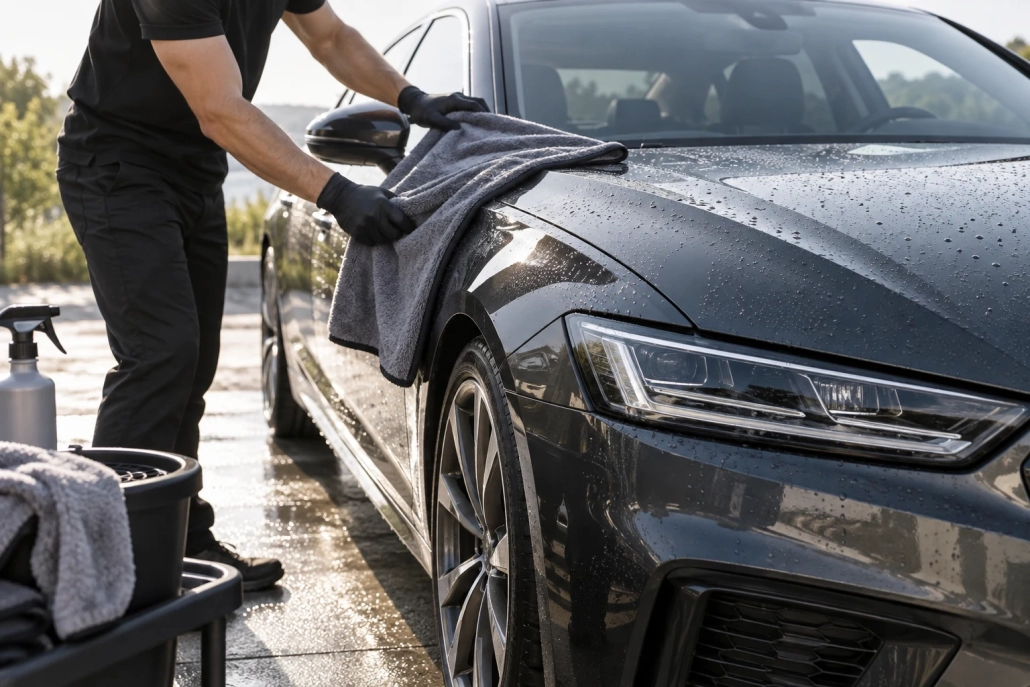
Check air cleanliness, hose handling and drying order before using a blower around coated paint, mirrors and trim.
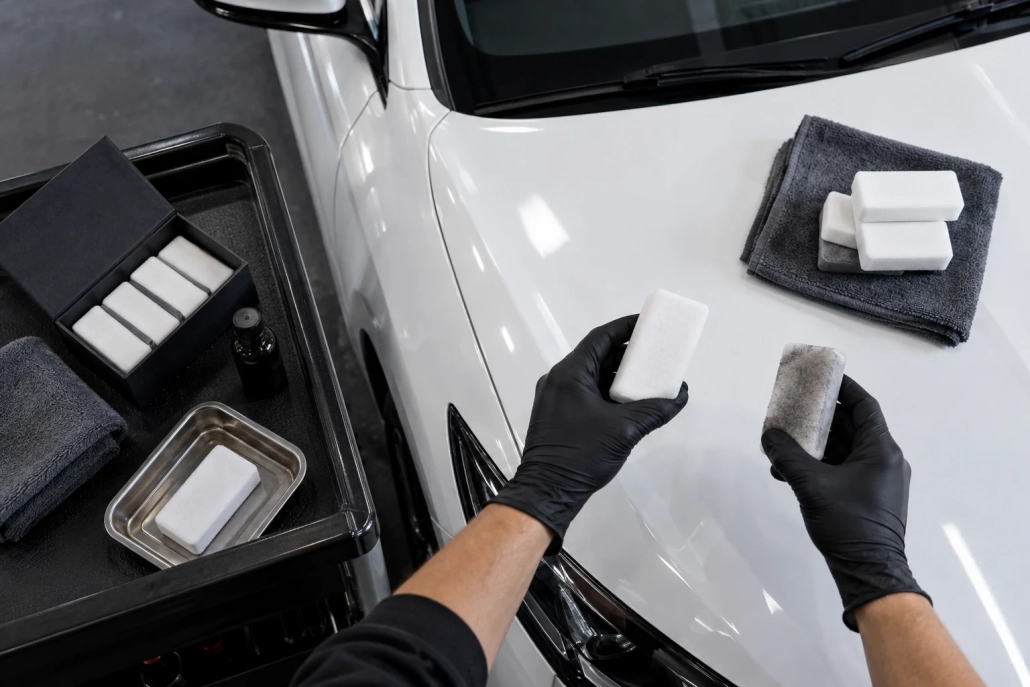
Match a coating applicator to the accessible surface so product can be spread and levelled around contours without flooding adjacent materials.
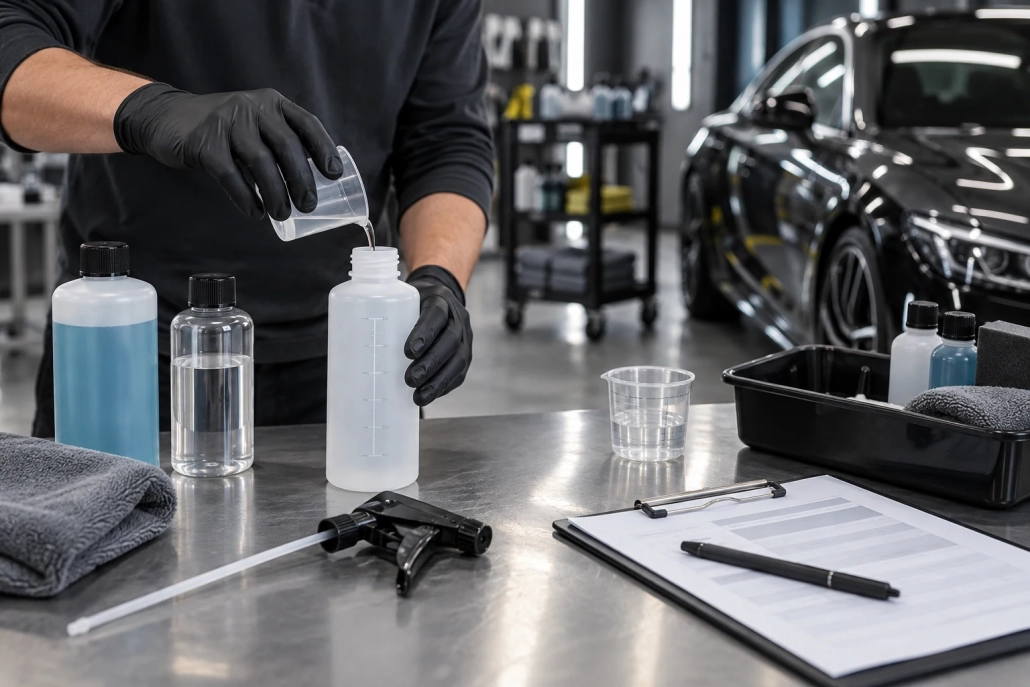
Keep measuring containers identifiable and suitable for the product so dilution and preparation work do not introduce residue from an earlier task.
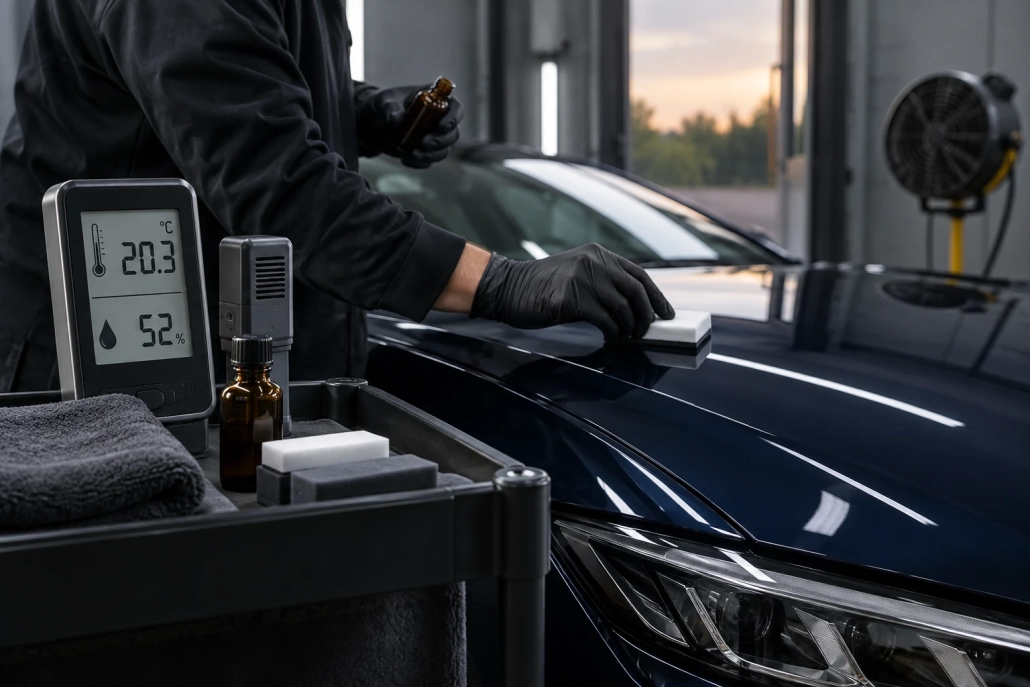
Take useful workshop temperature and humidity readings by placing the meter near the work and recording changes that affect application planning.
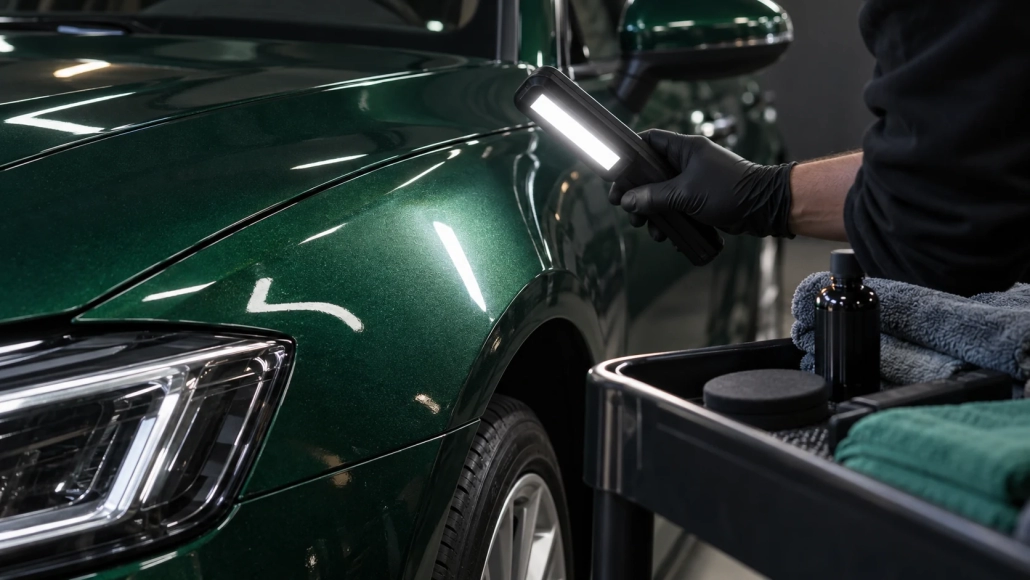
Use different viewing and lighting angles to distinguish reflections, residue and visible coating defects without repeatedly wiping a finished panel.
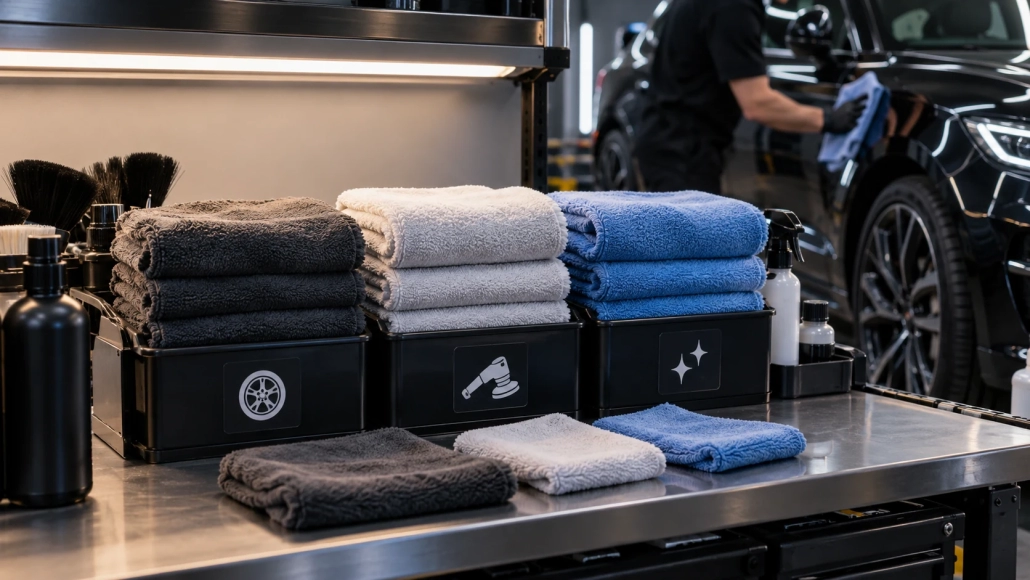
Protect clean microfiber from dust, moisture and product residue with a storage system that keeps each towel's intended use easy to recognise.
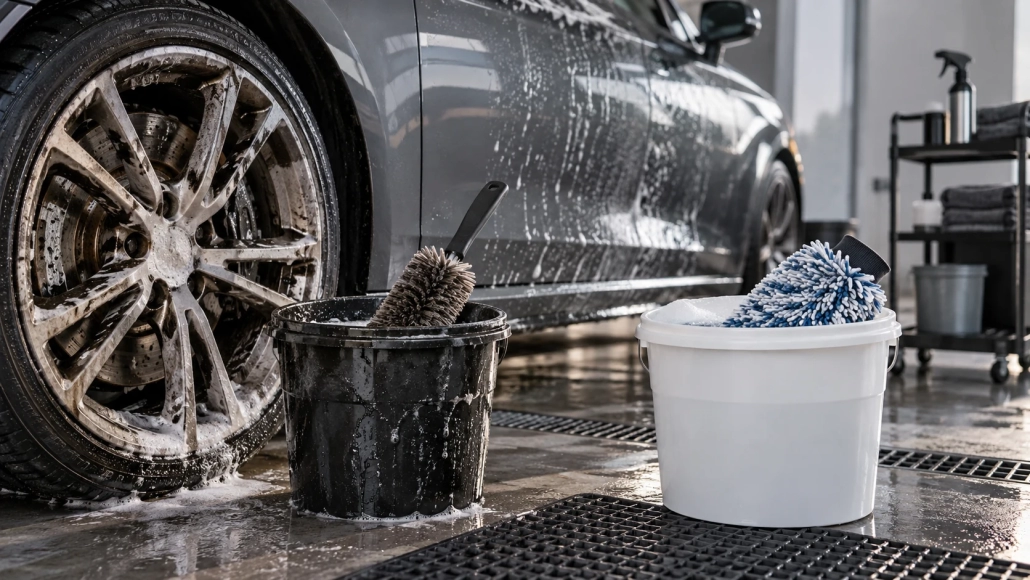
Assess wash-mitt condition, trapped debris and task history before using it on coated paint, rather than replacing it by age alone.
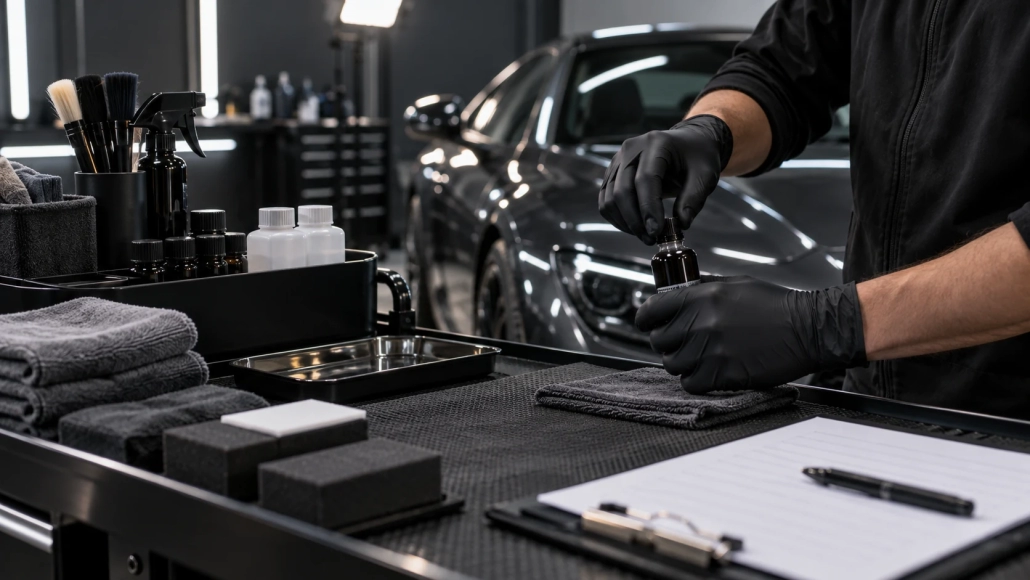
Compare a new towel, applicator or inspection tool under controlled conditions before changing a workshop's established coating process.
Understand where and how to check vehicle panel temperature before coating, including limitations of infrared readings on shiny finishes.
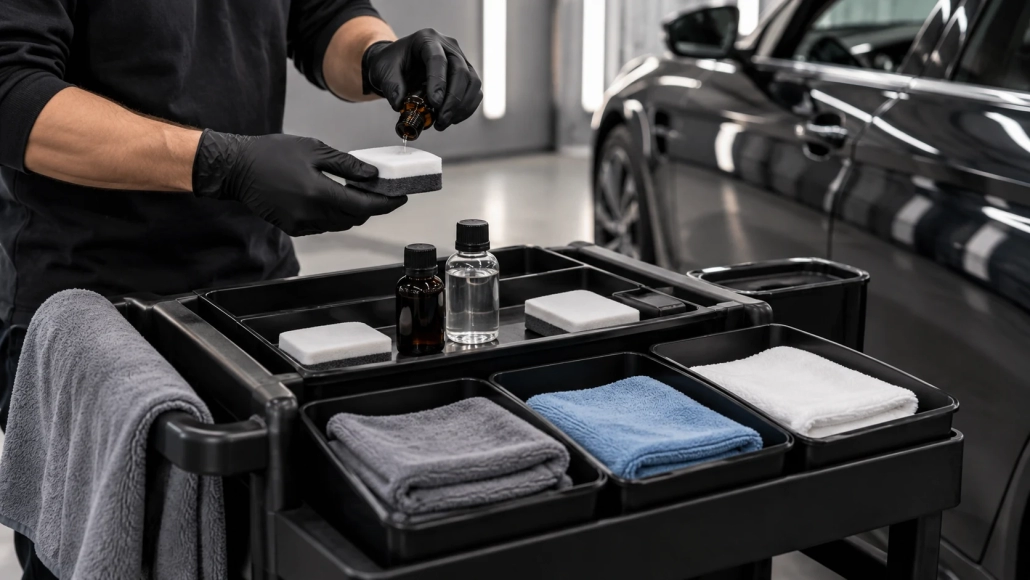
Keep preparation and coating work clean by managing glove changes, contaminated touch points and product-specific protective requirements.
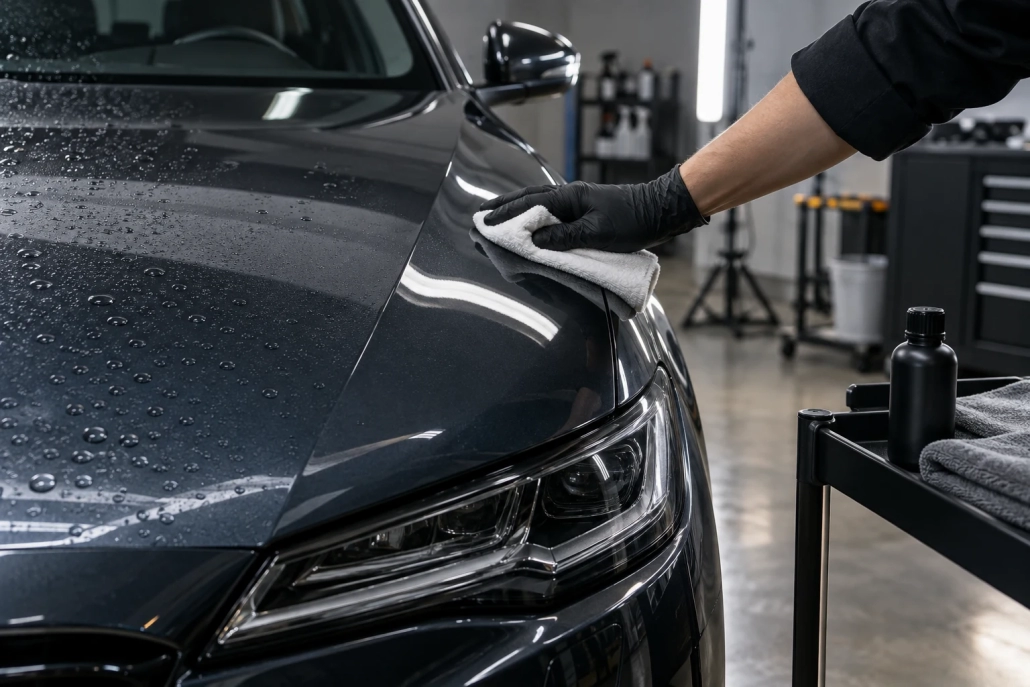
Check compressed-air quality and drying technique before using air near paint prepared for ceramic coating.