






A full polishing range.
From cutting and one-step correction to final finishing.
Specialist chemistry. Expert application.
 QUARTZ99 / CERAMIC BASE COAT
The foundation of your coating system.
A layerable quartz base coat designed for mechanical protection. Pair it with a suitable top coat to create the final finish.
For application by NANOLAB certified installers only.
Four formulas. Extended working time. Find the coating for your finish.
Explore the BEAST family of ceramic coatings.
Find the coating for each exterior surface.
 PPF & VINYLGLOSSProtection for glossy films and wraps.Discover
 MATTE & SATINMATTEProtection that respects the finish.Discover
 GLASSWINDOWSExplore dedicated glass protection.Discover
 WHEEL PROTECTIONWHEELSA dedicated coating for your wheels.Discover
 TRIM PROTECTIONPLASTICProtection for plastic surfaces.Discover
Dedicated care for the surfaces inside.
 LEATHER SURFACESLEATHERDiscover NANOLAB leather protection.Discover PLASTIC SURFACESPLASTICProtection for interior plastic surfaces.Discover TEXTILE SURFACESFABRICExplore the latest fabric formulation.Discover
Spray protection, maintenance and upcoming wash products.
 MAINTENANCEBEAST 365Explore the BEAST maintenance range.Discover
Next in washing, cleaning & care.
Ceramic protection for boats and yachts.
An easy-to-apply ceramic coating with an established track record on boats and yachts around the world.
Results vary with surface preparation, exposure and maintenance.
Read 50 MARINE guides →Explore MARINEProtection for the surfaces you live with.
A look at what we’re developing.
From cutting and one-step correction to final finishing.
A wider range for professional vehicle care.
Taking shape alongside BEAST & MATRIX.
Practical guidance for your next coating project.
Explore all guides →
Choose and organise towels, applicators, wash equipment and inspection tools.

A tare value belongs to a defined container configuration. Recheck it when the bottle, closure or weighing arrangement changes rather than assuming the previous tare still represents the new setup.
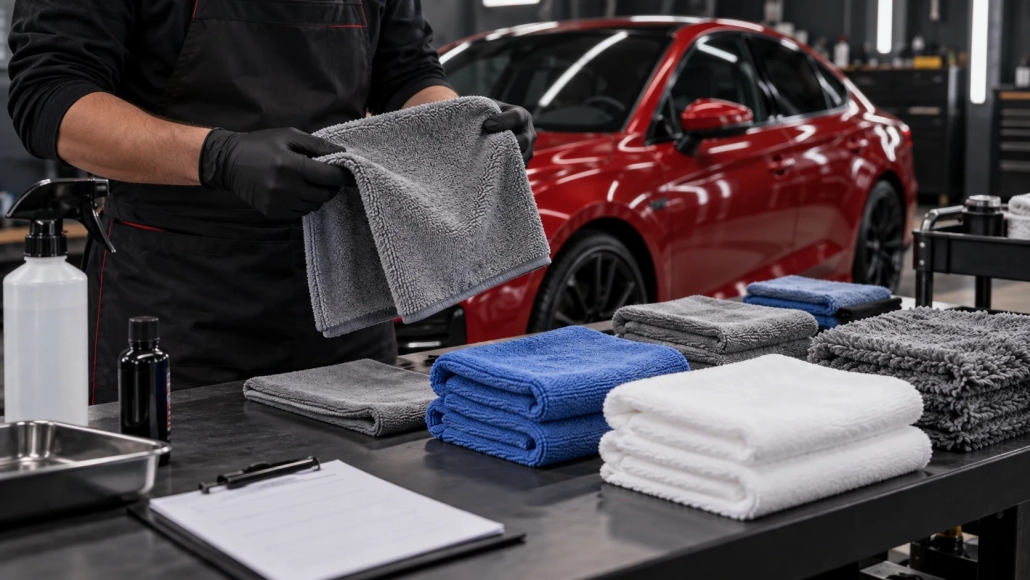
Choose towels by their role in the coating process, cleanliness and finish suitability rather than assuming the thickest towel is always best.
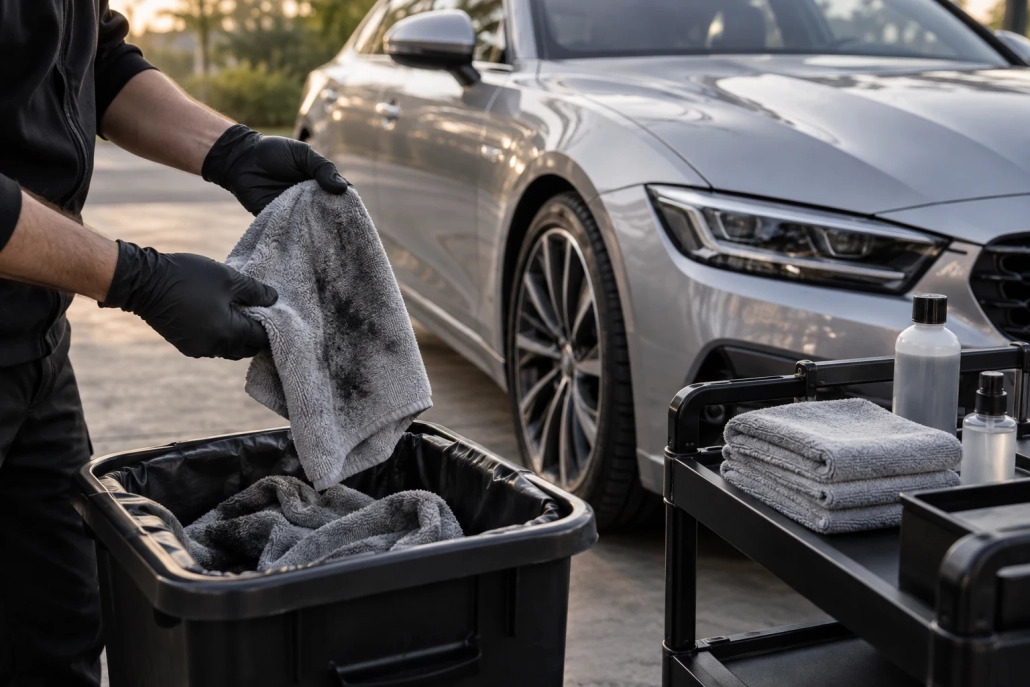
Separate used coating towels promptly and decide on cleaning, reassignment or disposal using the product's residue and safety guidance.
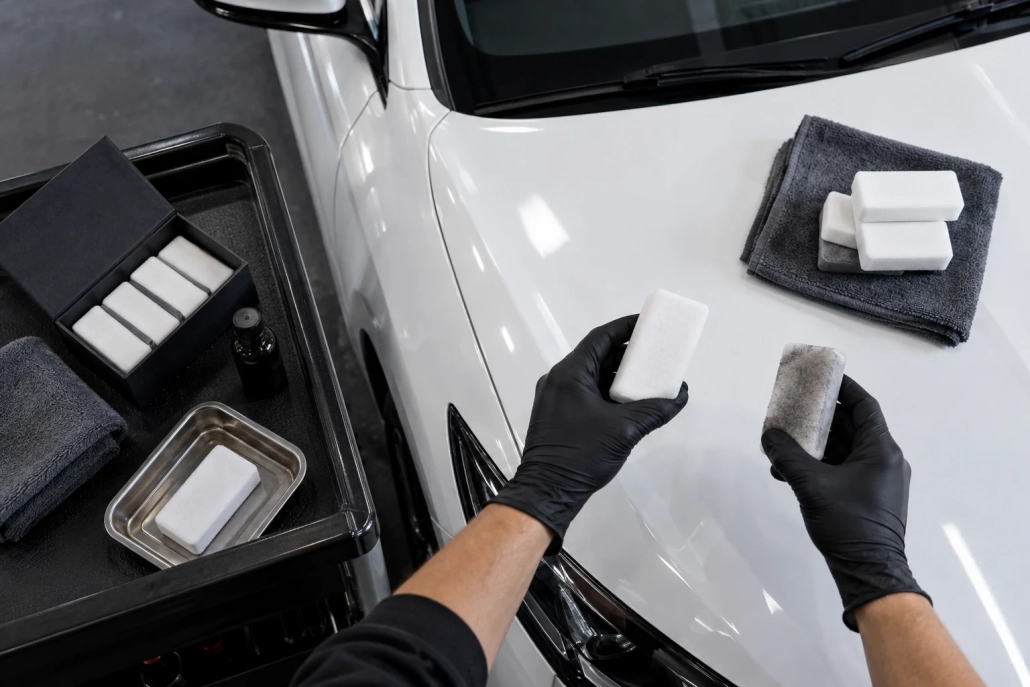
Match the applicator to the formula and surface, prime it as instructed and replace it when contamination or poor spreading affects control.
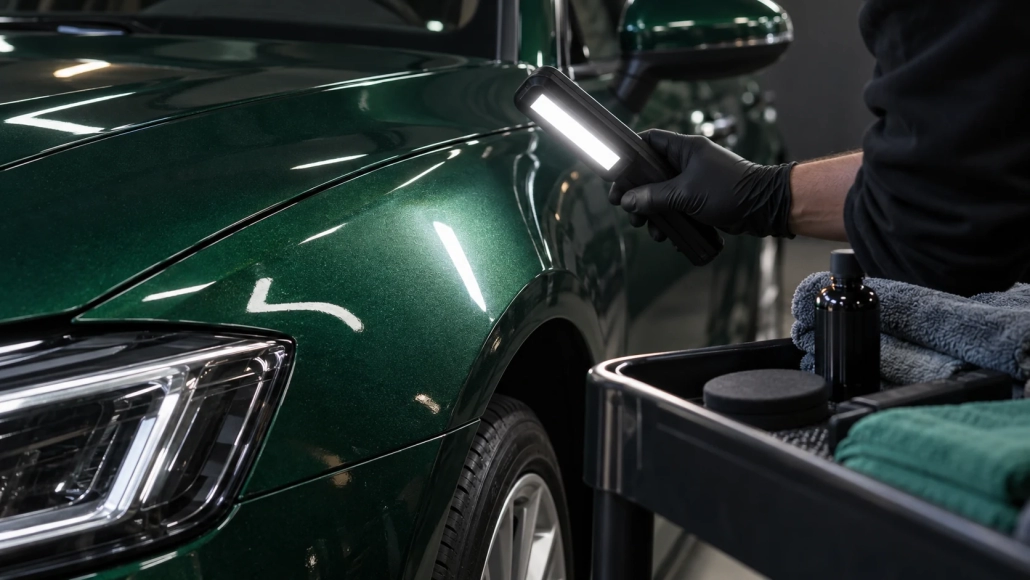
Use complementary lighting and viewing angles to reveal scratches, haze and coating residue without relying on one bright reflection.
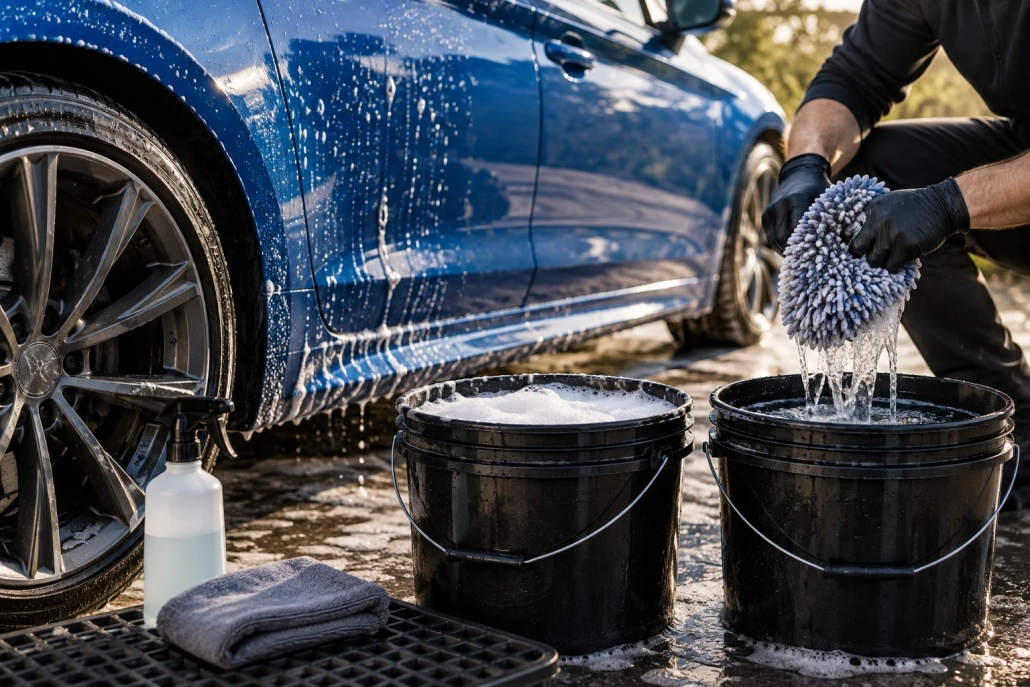
Understand how separate wash and rinse buckets reduce dirt transfer, and which other habits are still needed to protect the finish.
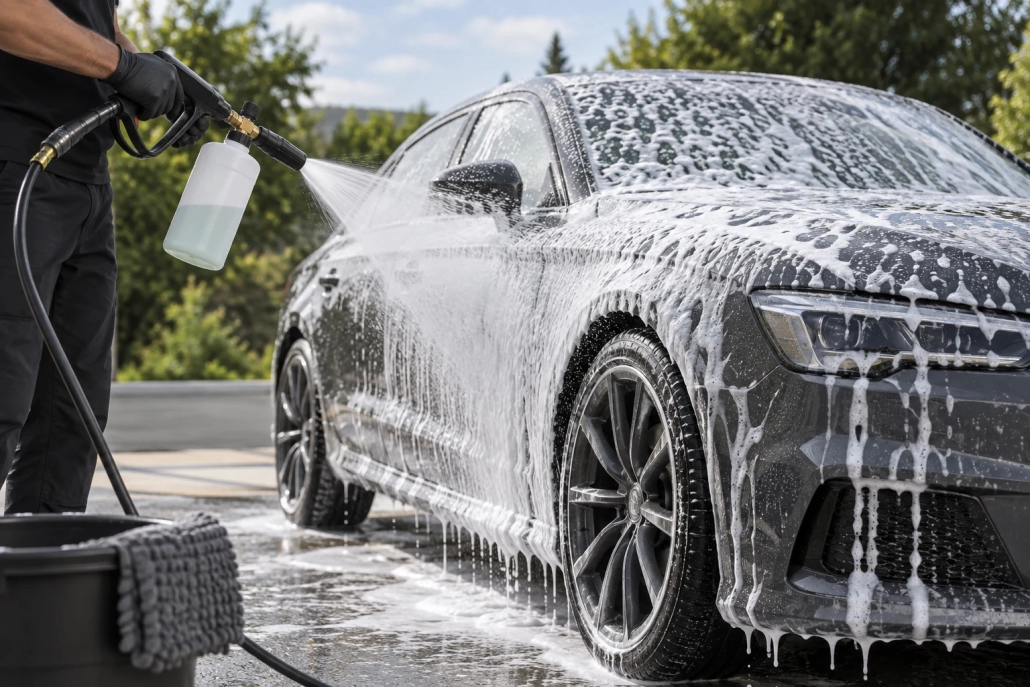
Use foam as part of a suitable pre-wash process without assuming thick coverage proves complete cleaning or makes all contact safe.
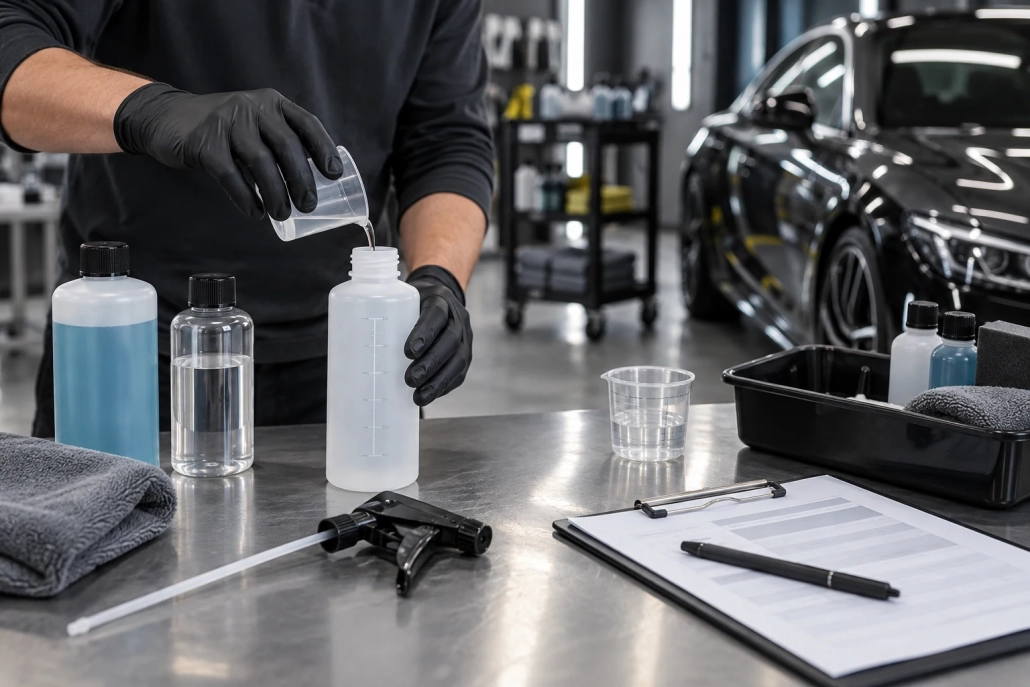
Read dilution ratios precisely, measure a repeatable working solution and avoid confusing product-to-water ratios with final-volume instructions.
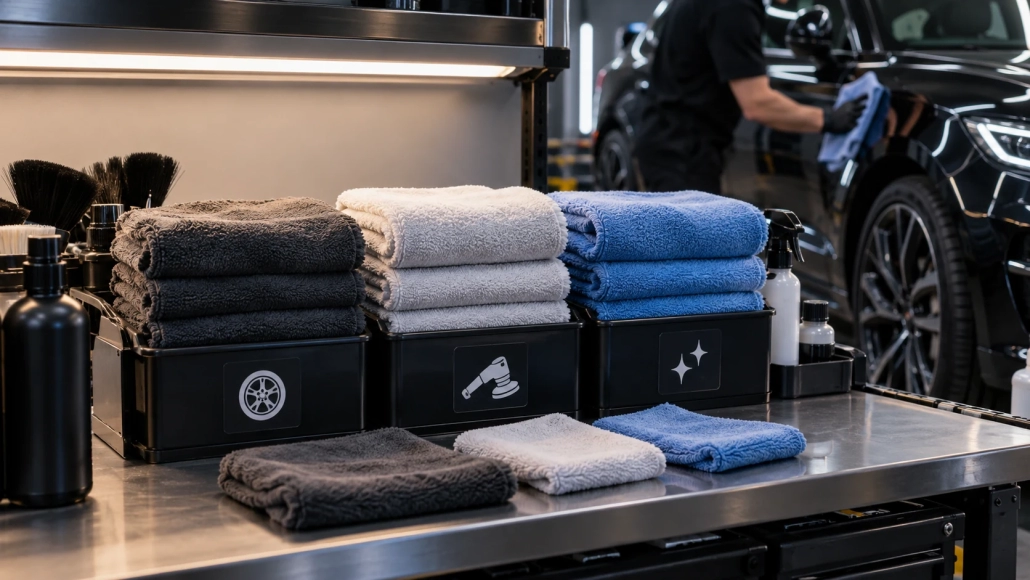
Create a simple towel system that prevents wheel dirt, polishing residue and cured coating from reaching clean paint-finishing tools.
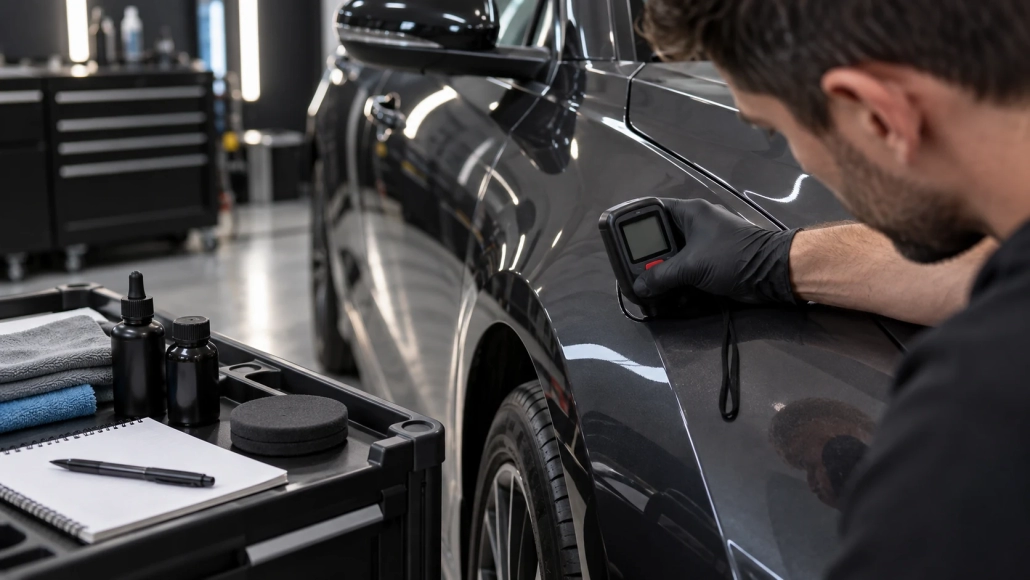
Understand what a paint gauge can measure, where its limits matter and why readings should support rather than replace surface assessment.
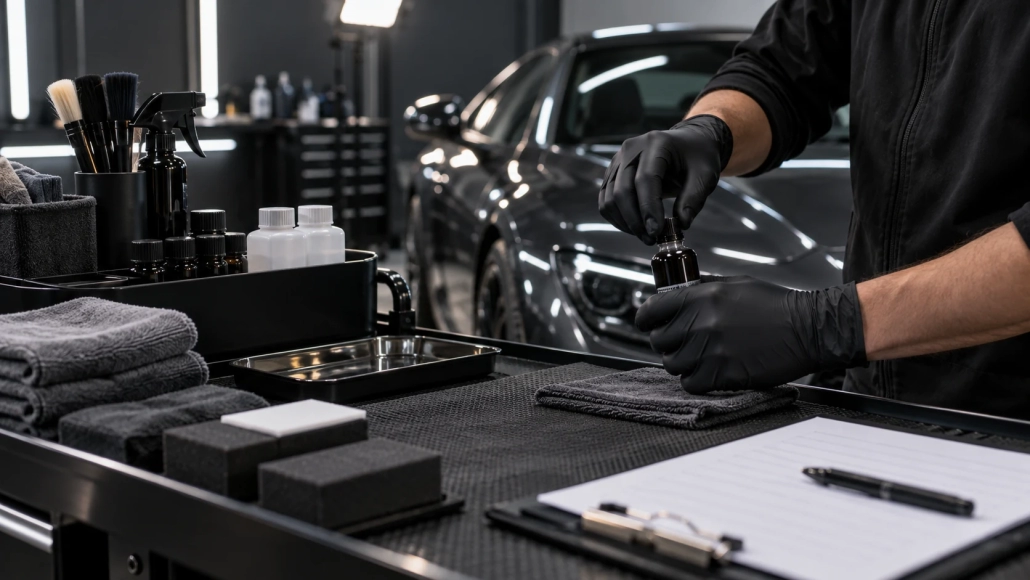
Organise products, tools, lighting and records before opening a coating bottle so the application can proceed without avoidable interruptions.
Understand why towel weight alone does not determine suitability for coating levelling, final wiping or drying a protected vehicle.