






A full polishing range.
From cutting and one-step correction to final finishing.
Specialist chemistry. Expert application.
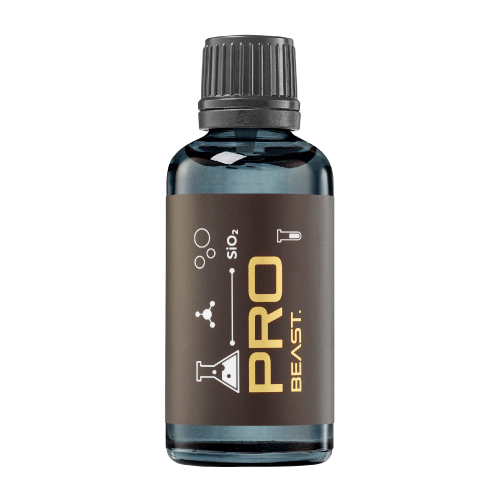
 QUARTZ99 / CERAMIC BASE COAT
The foundation of your coating system.
A layerable quartz base coat designed for mechanical protection. Pair it with a suitable top coat to create the final finish.
For application by NANOLAB certified installers only.
Four formulas. Extended working time. Find the coating for your finish.
Explore the BEAST family of ceramic coatings.
Find the coating for each exterior surface.
 PPF & VINYLGLOSSProtection for glossy films and wraps.Discover
 MATTE & SATINMATTEProtection that respects the finish.Discover
 GLASSWINDOWSExplore dedicated glass protection.Discover
 WHEEL PROTECTIONWHEELSA dedicated coating for your wheels.Discover
 TRIM PROTECTIONPLASTICProtection for plastic surfaces.Discover
Dedicated care for the surfaces inside.
 LEATHER SURFACESLEATHERDiscover NANOLAB leather protection.Discover PLASTIC SURFACESPLASTICProtection for interior plastic surfaces.Discover TEXTILE SURFACESFABRICExplore the latest fabric formulation.Discover
Spray protection, maintenance and upcoming wash products.
 MAINTENANCEBEAST 365Explore the BEAST maintenance range.Discover
Next in washing, cleaning & care.
Ceramic protection for boats and yachts.
An easy-to-apply ceramic coating with an established track record on boats and yachts around the world.
Results vary with surface preparation, exposure and maintenance.
Read 50 MARINE guides →Explore MARINEProtection for the surfaces you live with.
A look at what we’re developing.
From cutting and one-step correction to final finishing.
A wider range for professional vehicle care.
Taking shape alongside BEAST & MATRIX.
Practical guidance for your next coating project.
Explore all guides →
Plan application, levelling, working conditions and product-specific curing stages.
An interrupted installation needs a clear restart point. Elapsed time alone does not establish which panels remain ready for the next step.
Separate pot life, working time and open time, identify when each clock starts, and record coating application timing correctly.
Distinguish tack-free, handling, first-wash and full-cure milestones so customers receive a clear, product-specific coating release schedule.
Distinguish flash point, boiling point and approved application temperature when reading coating safety and technical documentation.
Learn why a clear mixture does not establish coating compatibility and how to prevent unintended mixing through tools and application methods.
An open loading door can change airflow and contamination around the working area. The effect may differ from conditions elsewhere in the building.
Nearby sanding, sweeping or construction can compromise a prepared surface. Physical distance alone may not prevent contamination.
Permission to move or drive a vehicle is not necessarily permission to wash it. Product instructions may define separate milestones.
A sudden change in drag can reflect several process conditions. Continuing by feel alone risks losing control of the application.
A product described as moisture curing should still be used exactly as supplied unless its instructions explicitly require another component. The description of its curing mechanism is not permission to introduce water into the container.

Compare coating wipe-off effort using a fixed area, towel protocol and accepted finish instead of a vague easy-to-buff rating.
Use a fixed vehicle inspection route with explicit lower-panel checks to catch missed coating residue and coverage concerns before handover.