






A full polishing range.
From cutting and one-step correction to final finishing.
Specialist chemistry. Expert application.
 QUARTZ99 / CERAMIC BASE COAT
The foundation of your coating system.
A layerable quartz base coat designed for mechanical protection. Pair it with a suitable top coat to create the final finish.
For application by NANOLAB certified installers only.
Four formulas. Extended working time. Find the coating for your finish.
Explore the BEAST family of ceramic coatings.
Find the coating for each exterior surface.
 PPF & VINYLGLOSSProtection for glossy films and wraps.Discover
 MATTE & SATINMATTEProtection that respects the finish.Discover
 GLASSWINDOWSExplore dedicated glass protection.Discover
 WHEEL PROTECTIONWHEELSA dedicated coating for your wheels.Discover
 TRIM PROTECTIONPLASTICProtection for plastic surfaces.Discover
Dedicated care for the surfaces inside.
 LEATHER SURFACESLEATHERDiscover NANOLAB leather protection.Discover PLASTIC SURFACESPLASTICProtection for interior plastic surfaces.Discover TEXTILE SURFACESFABRICExplore the latest fabric formulation.Discover
Spray protection, maintenance and upcoming wash products.
 MAINTENANCEBEAST 365Explore the BEAST maintenance range.Discover
Next in washing, cleaning & care.
Ceramic protection for boats and yachts.
An easy-to-apply ceramic coating with an established track record on boats and yachts around the world.
Results vary with surface preparation, exposure and maintenance.
Read 50 MARINE guides →Explore MARINEProtection for the surfaces you live with.
A look at what we’re developing.
From cutting and one-step correction to final finishing.
A wider range for professional vehicle care.
Taking shape alongside BEAST & MATRIX.
Practical guidance for your next coating project.
Explore all guides →
Plan your NANOLAB private label coating range: product briefs, sample evaluation, packaging, pilot installations and customer support.
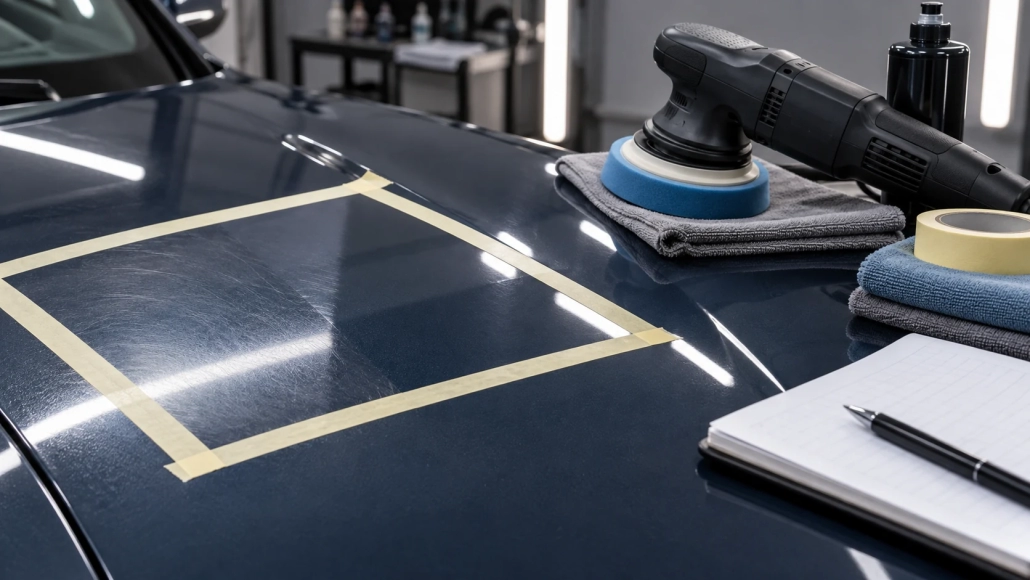
A compound bottle must dispense predictably throughout use. Evaluate handling and dose control near empty, without treating packaging tests as formula tests.

A bottle’s gross weight combines product and packaging. A useful internal filling check records how those contributions are separated and which quantity the result represents.
A working code in an artwork file can become difficult to scan after printing, folding or placing a label on a bottle. Test the physical pack before approving a production run.
Instructions for a kit and for an individual bottle may describe different sequences. Make the scope explicit so that customers do not combine steps from unrelated documents.
A score without working conditions can be difficult to use in coating development. A short observation-first form gives technical teams a more useful account of an installer trial.
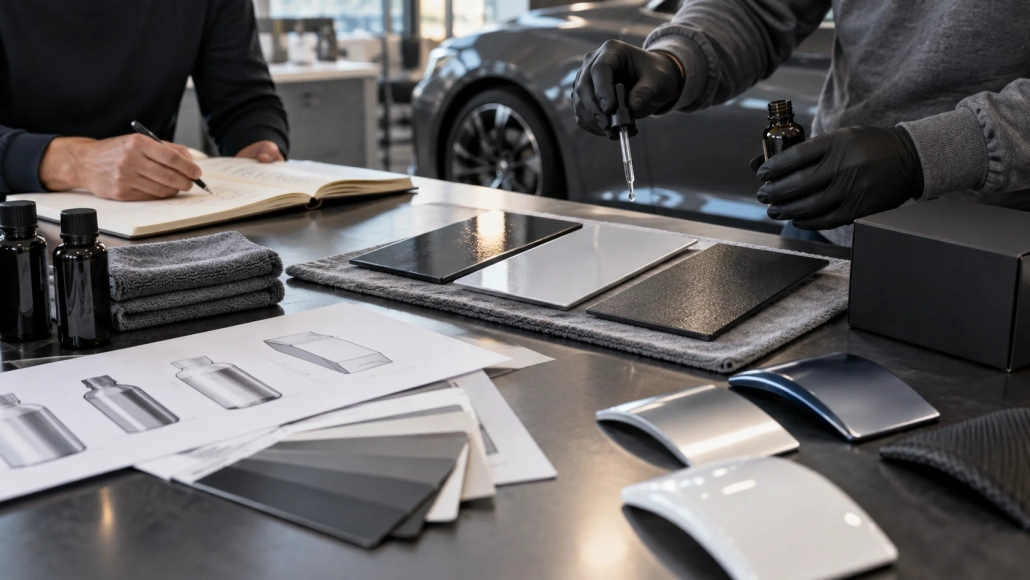
Define the users, surfaces, application workflow and packaging requirements for a private label ceramic coating project with NANOLAB.
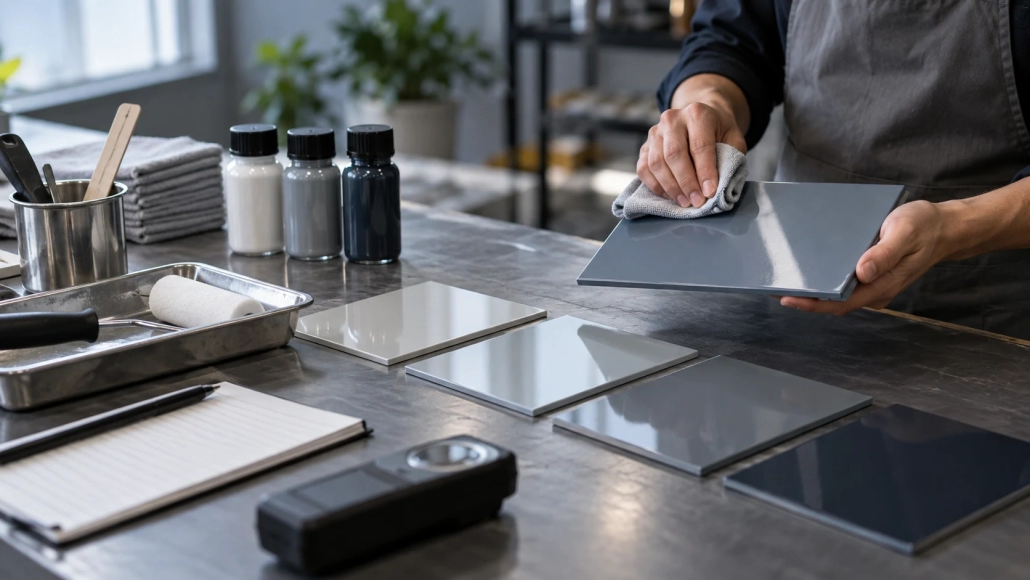
Compare private label coating samples using consistent preparation, application notes, finish checks and aftercare observations.
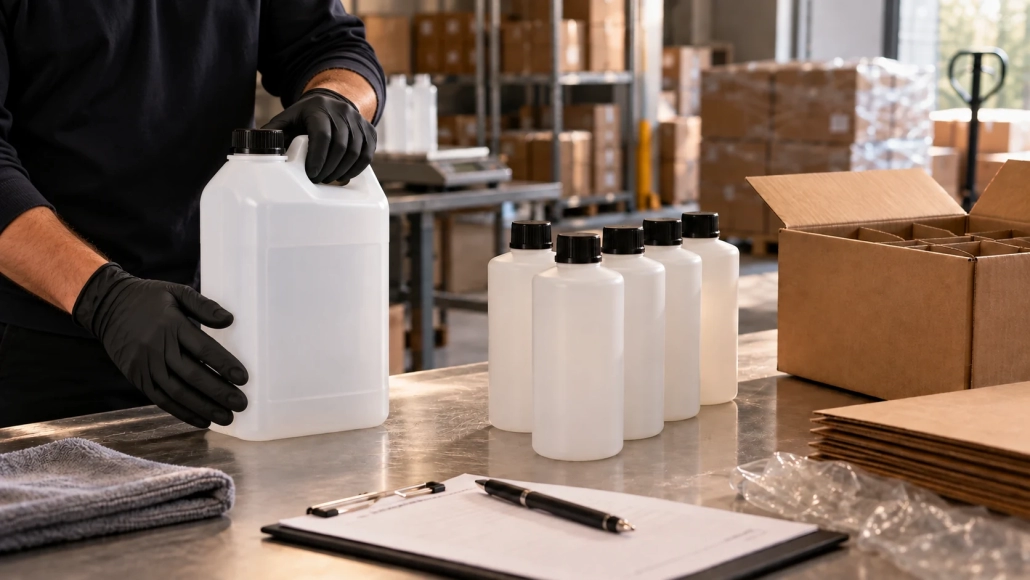
Compare bulk supply and filled private label coating bottles by handling, traceability, packaging work and operational responsibility.
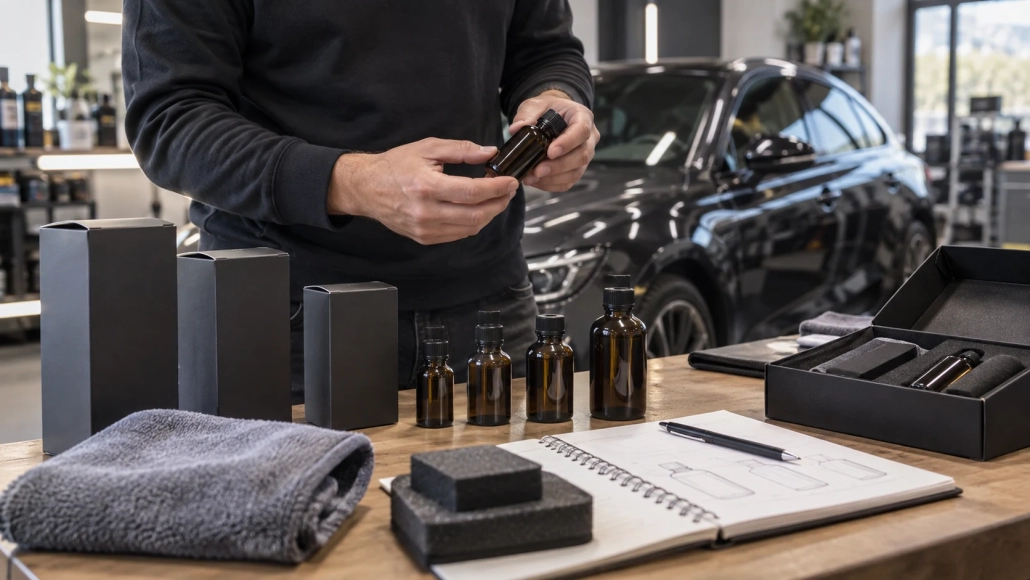
Choose private label coating pack sizes around actual application use, opening frequency, kit contents and customer expectations.

Prepare a clear artwork handoff for private label coatings with product identity, version control, readable instructions and packaging checks.
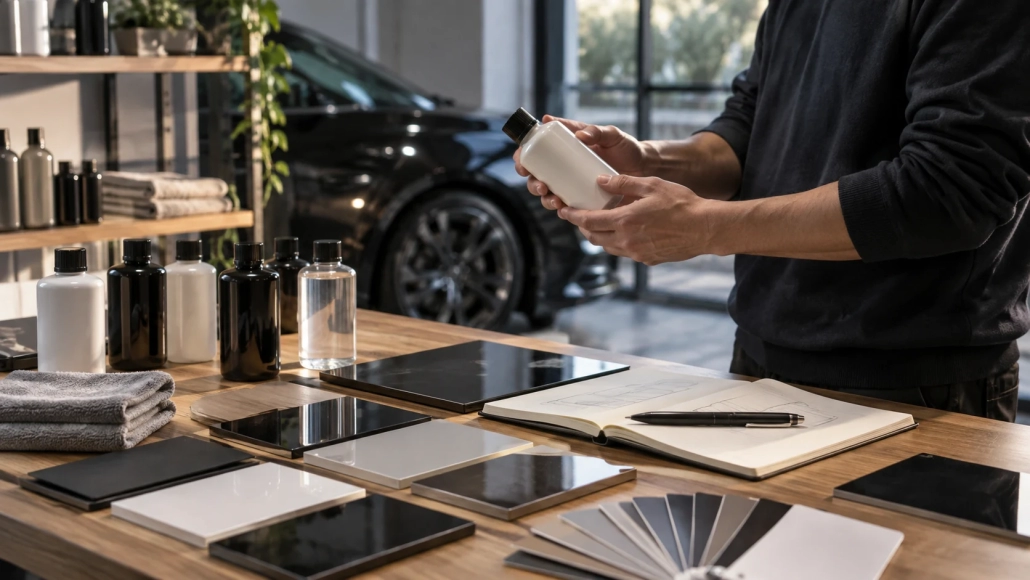
Build a focused private label coating range around distinct customer jobs, clear product roles and manageable support needs.
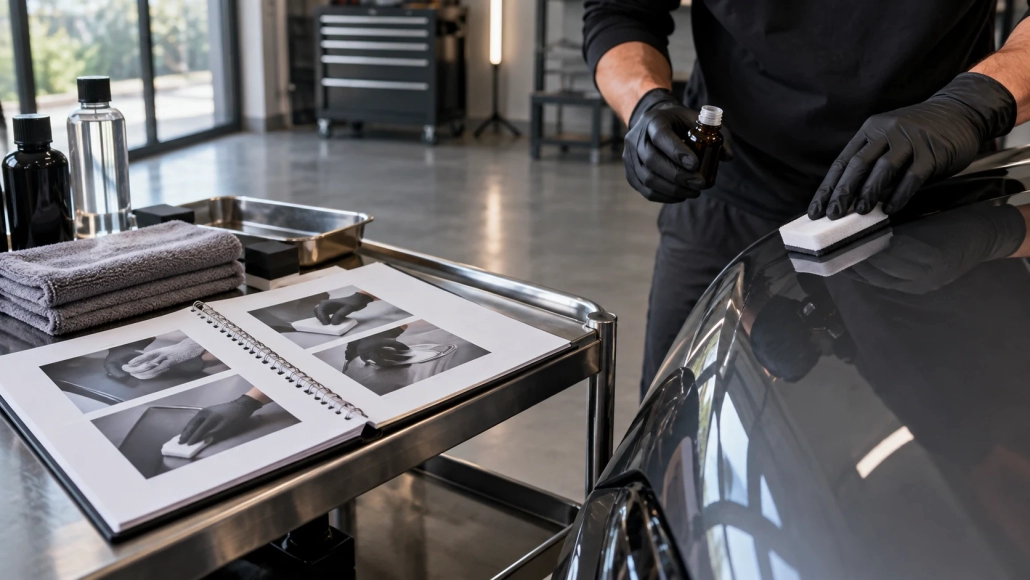
Structure private label coating instructions around preparation, application, inspection and aftercare for the exact approved product.