






A full polishing range.
From cutting and one-step correction to final finishing.
Specialist chemistry. Expert application.
 QUARTZ99 / CERAMIC BASE COAT
The foundation of your coating system.
A layerable quartz base coat designed for mechanical protection. Pair it with a suitable top coat to create the final finish.
For application by NANOLAB certified installers only.
Four formulas. Extended working time. Find the coating for your finish.
Explore the BEAST family of ceramic coatings.
Find the coating for each exterior surface.
 PPF & VINYLGLOSSProtection for glossy films and wraps.Discover
 MATTE & SATINMATTEProtection that respects the finish.Discover
 GLASSWINDOWSExplore dedicated glass protection.Discover
 WHEEL PROTECTIONWHEELSA dedicated coating for your wheels.Discover
 TRIM PROTECTIONPLASTICProtection for plastic surfaces.Discover
Dedicated care for the surfaces inside.
 LEATHER SURFACESLEATHERDiscover NANOLAB leather protection.Discover PLASTIC SURFACESPLASTICProtection for interior plastic surfaces.Discover TEXTILE SURFACESFABRICExplore the latest fabric formulation.Discover
Spray protection, maintenance and upcoming wash products.
 MAINTENANCEBEAST 365Explore the BEAST maintenance range.Discover
Next in washing, cleaning & care.
Ceramic protection for boats and yachts.
An easy-to-apply ceramic coating with an established track record on boats and yachts around the world.
Results vary with surface preparation, exposure and maintenance.
Read 50 MARINE guides →Explore MARINEProtection for the surfaces you live with.
A look at what we’re developing.
From cutting and one-step correction to final finishing.
A wider range for professional vehicle care.
Taking shape alongside BEAST & MATRIX.
Practical guidance for your next coating project.
Explore all guides →
Improve intake, documentation, scheduling, quality checks and aftercare for coating jobs.
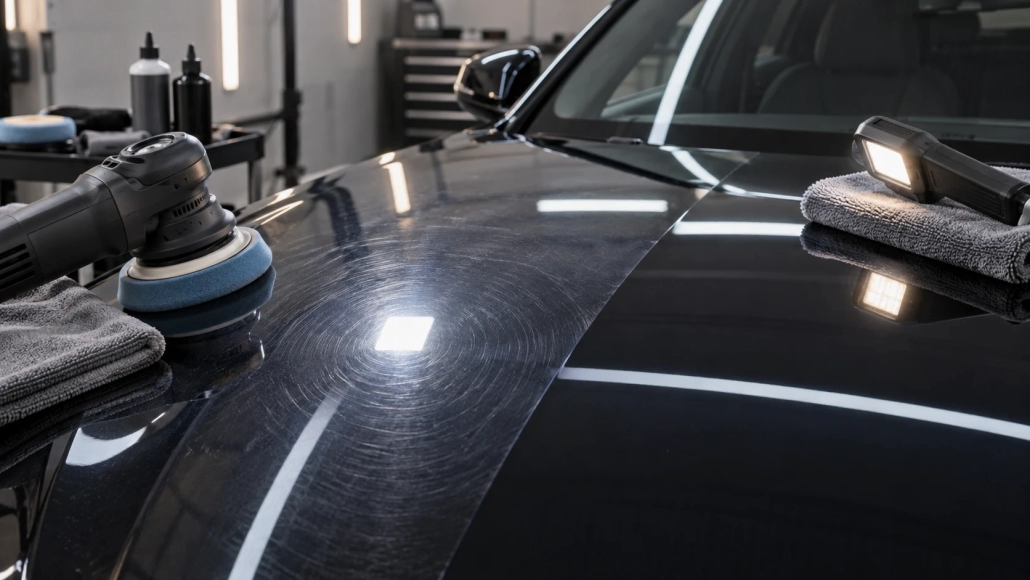
Communicate excluded paint areas between detailers so a second operator does not repeat correction on thin, damaged or otherwise unsuitable zones.
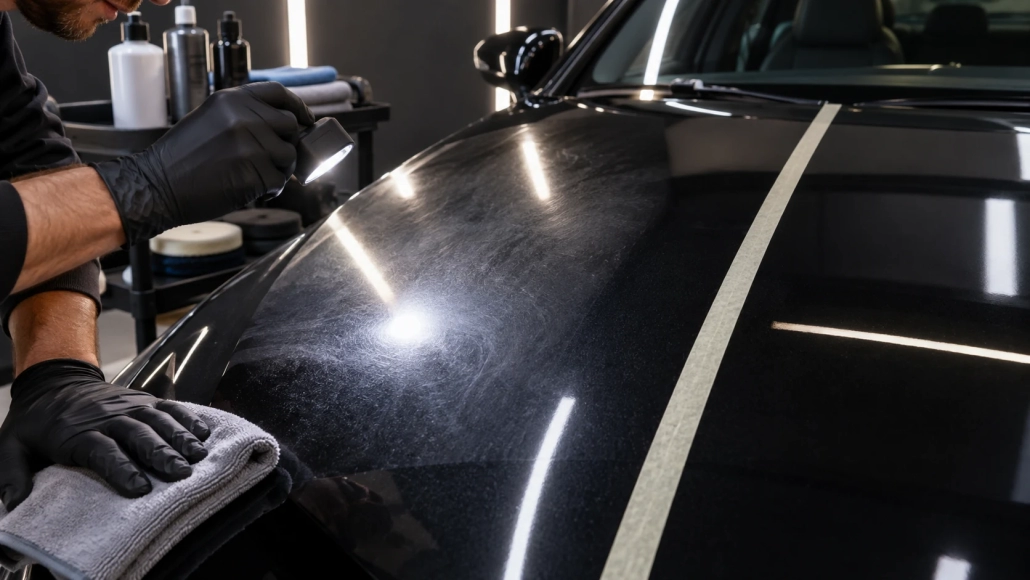
Investigate a polishing callback using the original scope, inspection conditions and wash history before deciding that the vehicle needs more correction.
A polishing assessment should test preservation decisions as well as gloss. Use scenarios that require the trainee to stop, investigate or change the plan.

An unexpected change at a panel edge calls for an immediate pause. Do not continue polishing or apply protection in an attempt to conceal what happened.
A claim such as 90 percent correction is ambiguous unless the workshop explains which marks were counted and how the finish was inspected.
Washing can reveal a different correction scope from the one visible at intake. Agree how the workshop will handle that change before machine work begins.
A one-step service needs a clear visual endpoint. An acceptance sample helps the customer understand the improvement without implying complete removal of every defect.
A replacement pad with a similar description may change the correction result. Treat the substitution as a process change rather than an invisible stock decision.
Changing compound suppliers can affect the whole polishing sequence. Compare a replacement against a defined endpoint before treating it as equivalent stock.
An applicator change can alter spreading and product use. Evaluate it with the intended coating and surface before adopting it across the workshop.
A formal pause after correction helps prevent unfinished or uncertain preparation from being carried into coating installation.
A coating bay can be affected by washing or cleanup next to it. Plan neighbouring activities as part of installation readiness.