






A full polishing range.
From cutting and one-step correction to final finishing.
Specialist chemistry. Expert application.
 QUARTZ99 / CERAMIC BASE COAT
The foundation of your coating system.
A layerable quartz base coat designed for mechanical protection. Pair it with a suitable top coat to create the final finish.
For application by NANOLAB certified installers only.
Four formulas. Extended working time. Find the coating for your finish.
Explore the BEAST family of ceramic coatings.
Find the coating for each exterior surface.
 PPF & VINYLGLOSSProtection for glossy films and wraps.Discover
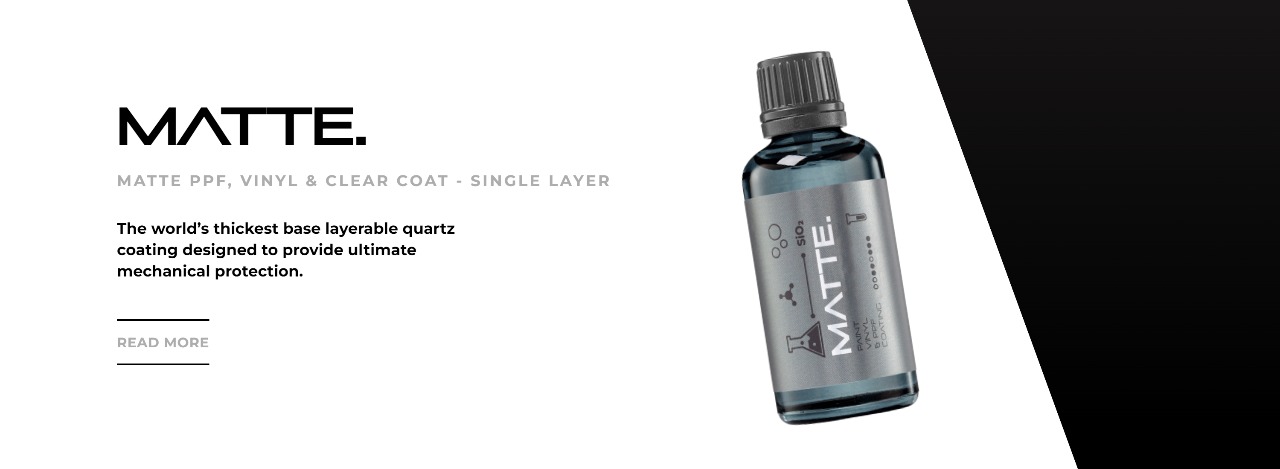
 MATTE & SATINMATTEProtection that respects the finish.Discover
 GLASSWINDOWSExplore dedicated glass protection.Discover
 WHEEL PROTECTIONWHEELSA dedicated coating for your wheels.Discover
 TRIM PROTECTIONPLASTICProtection for plastic surfaces.Discover
Dedicated care for the surfaces inside.
 LEATHER SURFACESLEATHERDiscover NANOLAB leather protection.Discover PLASTIC SURFACESPLASTICProtection for interior plastic surfaces.Discover TEXTILE SURFACESFABRICExplore the latest fabric formulation.Discover
Spray protection, maintenance and upcoming wash products.
 MAINTENANCEBEAST 365Explore the BEAST maintenance range.Discover
Next in washing, cleaning & care.
Ceramic protection for boats and yachts.
An easy-to-apply ceramic coating with an established track record on boats and yachts around the world.
Results vary with surface preparation, exposure and maintenance.
Read 50 MARINE guides →Explore MARINEProtection for the surfaces you live with.
A look at what we’re developing.
From cutting and one-step correction to final finishing.
A wider range for professional vehicle care.
Taking shape alongside BEAST & MATRIX.
Practical guidance for your next coating project.
Explore all guides →
Build a practical routine for washing, drying and maintaining a ceramic-coated vehicle.
A customer may already own shampoo, a drying aid or a spray sealant. Reviewing the exact products makes a coating care discussion more useful than approving a broad product category.
A rinse comparison can be misleading when the amount of water changes together with the jet behaviour. Record the actual wash setup before attributing the result to a coating.
A wash hose can contact paint while the operator concentrates on the nozzle. Plan its route as part of the wash setup rather than treating surface contact as an unavoidable detail.
Using several mitts can become confusing if clean, used and area-specific tools look identical. A visible assignment system makes the intended wash routine easier to follow.
Water can emerge from recesses after the main panels have been dried. Treat the affected area as a new observation rather than automatically wiping it with a towel used elsewhere.
Record cleaning history and observation conditions before interpreting a change in water behaviour.
Help customers capture useful wide and close views instead of isolated reflections without context.
Structure a support enquiry around recent cleaning products and visible observations.
Record relevant dates, products and observations without burdening customers with unnecessary detail.
Explain the limits of a single observation and what a meaningful follow-up record contains.
Document exposure and visible condition so the installer can plan inspection and appropriate cleaning.
Gather timing and product information before suggesting a corrective procedure.