






A full polishing range.
From cutting and one-step correction to final finishing.
Specialist chemistry. Expert application.
 QUARTZ99 / CERAMIC BASE COAT
The foundation of your coating system.
A layerable quartz base coat designed for mechanical protection. Pair it with a suitable top coat to create the final finish.
For application by NANOLAB certified installers only.
Four formulas. Extended working time. Find the coating for your finish.
Explore the BEAST family of ceramic coatings.
Find the coating for each exterior surface.
 PPF & VINYLGLOSSProtection for glossy films and wraps.Discover
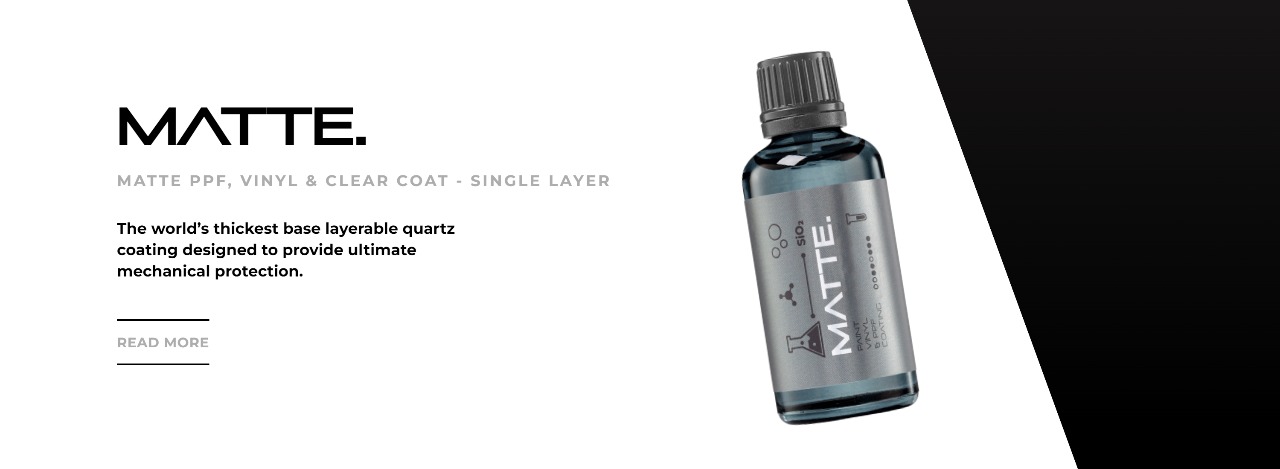
 MATTE & SATINMATTEProtection that respects the finish.Discover
 GLASSWINDOWSExplore dedicated glass protection.Discover
 WHEEL PROTECTIONWHEELSA dedicated coating for your wheels.Discover
 TRIM PROTECTIONPLASTICProtection for plastic surfaces.Discover
Dedicated care for the surfaces inside.
 LEATHER SURFACESLEATHERDiscover NANOLAB leather protection.Discover PLASTIC SURFACESPLASTICProtection for interior plastic surfaces.Discover TEXTILE SURFACESFABRICExplore the latest fabric formulation.Discover
Spray protection, maintenance and upcoming wash products.
 MAINTENANCEBEAST 365Explore the BEAST maintenance range.Discover
Next in washing, cleaning & care.
Ceramic protection for boats and yachts.
An easy-to-apply ceramic coating with an established track record on boats and yachts around the world.
Results vary with surface preparation, exposure and maintenance.
Read 50 MARINE guides →Explore MARINEProtection for the surfaces you live with.
A look at what we’re developing.
From cutting and one-step correction to final finishing.
A wider range for professional vehicle care.
Taking shape alongside BEAST & MATRIX.
Practical guidance for your next coating project.
Explore all guides →
Build a practical routine for washing, drying and maintaining a ceramic-coated vehicle.
Define escalation triggers for uncertain compatibility, unexplained changes and unavailable instructions.
Choose hardness or TDS measurements for the actual washing problem and distinguish water softening from low-ion final-rinse treatment.
Compare reverse osmosis and deionization for detailing by water quality, throughput, maintenance and cost per usable litre.
Build a consistent DI outlet-water monitoring record and investigate rising readings before relying on the system for another wash job.
Distinguish water alkalinity from pH and hardness, then request the measurement that fits the cleaning or treatment problem.
Understand surfactant cloud-point terminology and investigate temperature-dependent haze without assuming a changed cleaner is suitable.
Compare foam height, drainage and cleaning as separate outcomes using consistent water, dilution, contact time and rinsing.
Understand the different roles of chelating agents and surfactants, then evaluate the complete cleaner against the intended soil and surface.
Coordinate a coated RV's cure schedule with cover contact, cleanliness, moisture control and the vehicle's storage instructions.
A bucket can look free of grit while retaining cleaner from its previous use. Dedicated identification and appropriate cleaning reduce confusion.
A marked container helps establish the intended mixture. Estimating water volume after foam forms can make the dilution less reliable.
Cleaner can remain in recesses and later run onto an otherwise dry panel. Inspecting those areas helps distinguish fresh runoff from a surface defect.