






A full polishing range.
From cutting and one-step correction to final finishing.
Specialist chemistry. Expert application.
 QUARTZ99 / CERAMIC BASE COAT
The foundation of your coating system.
A layerable quartz base coat designed for mechanical protection. Pair it with a suitable top coat to create the final finish.
For application by NANOLAB certified installers only.
Four formulas. Extended working time. Find the coating for your finish.
Explore the BEAST family of ceramic coatings.
Find the coating for each exterior surface.
 PPF & VINYLGLOSSProtection for glossy films and wraps.Discover
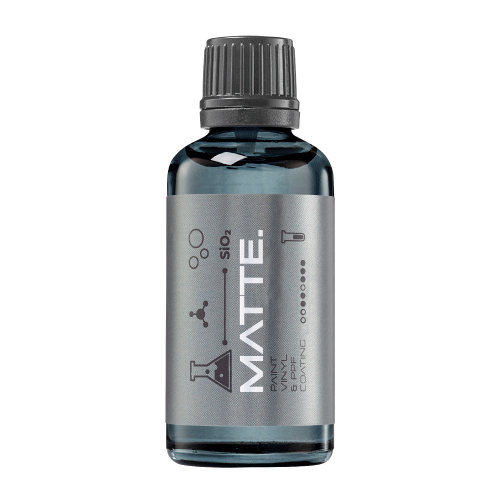
 MATTE & SATINMATTEProtection that respects the finish.Discover
 GLASSWINDOWSExplore dedicated glass protection.Discover
 WHEEL PROTECTIONWHEELSA dedicated coating for your wheels.Discover
 TRIM PROTECTIONPLASTICProtection for plastic surfaces.Discover
Dedicated care for the surfaces inside.
 LEATHER SURFACESLEATHERDiscover NANOLAB leather protection.Discover PLASTIC SURFACESPLASTICProtection for interior plastic surfaces.Discover TEXTILE SURFACESFABRICExplore the latest fabric formulation.Discover
Spray protection, maintenance and upcoming wash products.
 MAINTENANCEBEAST 365Explore the BEAST maintenance range.Discover
Next in washing, cleaning & care.
Ceramic protection for boats and yachts.
An easy-to-apply ceramic coating with an established track record on boats and yachts around the world.
Results vary with surface preparation, exposure and maintenance.
Read 50 MARINE guides →Explore MARINEProtection for the surfaces you live with.
A look at what we’re developing.
From cutting and one-step correction to final finishing.
A wider range for professional vehicle care.
Taking shape alongside BEAST & MATRIX.
Practical guidance for your next coating project.
Explore all guides →
Care for coatings in heat, rain, coastal conditions, outdoor parking and daily use.
Room air temperature does not describe every panel's condition. Sunlight through glazing can create different surface conditions within the same bay.
A vehicle arriving from outdoors may not immediately match the workshop environment. The room reading alone cannot establish readiness.
Changing the cooling system can alter local conditions even if the target temperature seems appropriate. Recheck the actual application area.
A previous successful timing is not a universal instruction. Environmental changes can make a familiar routine unsuitable for the current job.
A product's permitted storage range is not automatically its application range. These instructions describe different conditions and purposes.
Heating a room can create uneven surface conditions near the equipment. The relevant question is the condition at the work, not just the thermostat.
Conditions can be suitable during application but change substantially afterward. The relevant plan includes the initial curing period specified for the product.
Storms can change dust, moisture and water-entry conditions inside a workspace. A familiar bay may need reassessment before use.
A coating does not eliminate the need to remove accumulated road contamination. Care should also respect the vehicle's materials and instructions.
Repeated marks beneath the same carport drip should be investigated as an exposure problem before the coating is blamed.
Roof rails and crossbars create sheltered channels that can release water after the main roof appears dry.
Water around a number plate can reappear because the plate, holder and mounting recess retain it.