






A full polishing range.
From cutting and one-step correction to final finishing.
Specialist chemistry. Expert application.
 QUARTZ99 / CERAMIC BASE COAT
The foundation of your coating system.
A layerable quartz base coat designed for mechanical protection. Pair it with a suitable top coat to create the final finish.
For application by NANOLAB certified installers only.
Four formulas. Extended working time. Find the coating for your finish.
Explore the BEAST family of ceramic coatings.
Find the coating for each exterior surface.
 PPF & VINYLGLOSSProtection for glossy films and wraps.Discover
 MATTE & SATINMATTEProtection that respects the finish.Discover
 GLASSWINDOWSExplore dedicated glass protection.Discover
 WHEEL PROTECTIONWHEELSA dedicated coating for your wheels.Discover
 TRIM PROTECTIONPLASTICProtection for plastic surfaces.Discover
Dedicated care for the surfaces inside.
 LEATHER SURFACESLEATHERDiscover NANOLAB leather protection.Discover PLASTIC SURFACESPLASTICProtection for interior plastic surfaces.Discover TEXTILE SURFACESFABRICExplore the latest fabric formulation.Discover
Spray protection, maintenance and upcoming wash products.
 MAINTENANCEBEAST 365Explore the BEAST maintenance range.Discover
Next in washing, cleaning & care.
Ceramic protection for boats and yachts.
An easy-to-apply ceramic coating with an established track record on boats and yachts around the world.
Results vary with surface preparation, exposure and maintenance.
Read 50 MARINE guides →Explore MARINEProtection for the surfaces you live with.
A look at what we’re developing.
From cutting and one-step correction to final finishing.
A wider range for professional vehicle care.
Taking shape alongside BEAST & MATRIX.
Practical guidance for your next coating project.
Explore all guides →
Compare coating products, preparation, prices and care requirements for new and used vehicles.
A split-panel comparison can be influenced by where each product is placed. Vary the allocation across comparable test panels instead of always giving one product the same position.
Several readings from one coated patch are not the same as several independently prepared test patches. Keep those two forms of repetition separate.
A changing gloss reference can distort a coating comparison. Keep baseline observations and the measurement conditions identified throughout the trial.
A control surface can help reveal how cleaning and exposure change the panel without the tested coating. Design it with the same preparation and inspection discipline.
Adding a topper changes the exposed surface. A durability trial should distinguish the original coating from a maintained multi-product system.
A wash-cycle count is incomplete without the contact and rinse method. Two trials can use the same number of washes and impose very different conditions.
Rubbing with a cleaner combines mechanical and chemical effects. Keep the test design clear before describing the result as chemical resistance alone.
Different water-drop sizes can make a demonstration look more dramatic. Keep dispensing and viewing conditions consistent before comparing surface behaviour.
An outdoor trial should preserve its exposure history. A result photographed after unusual weather needs that context before it is compared with an earlier inspection.
Two laboratory reports can both be valid while answering different questions. Compare their methods before combining the results into a product ranking.
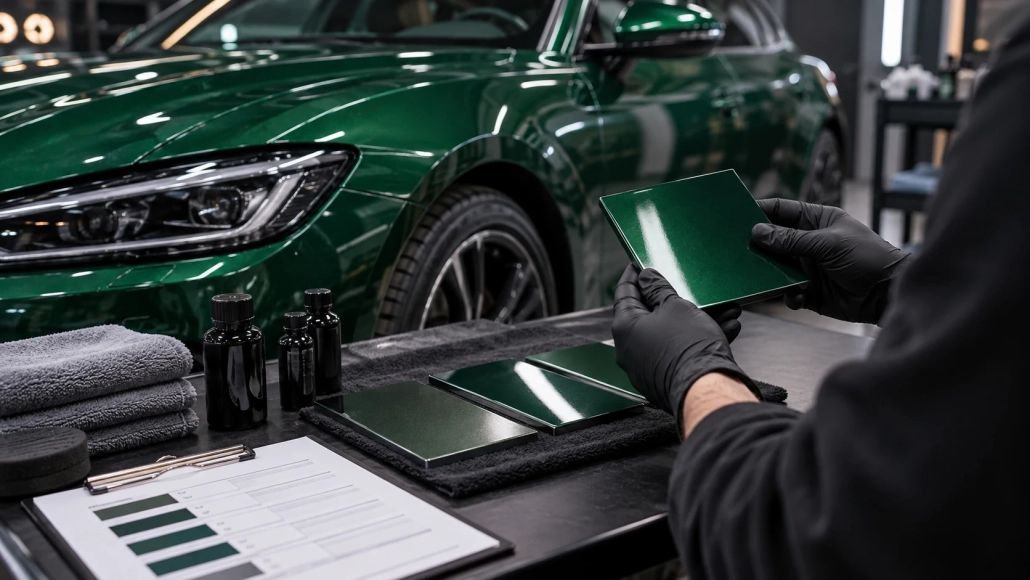
Understand the work behind a ceramic coating quote, from inspection and paint correction to surface coverage, curing and future maintenance.
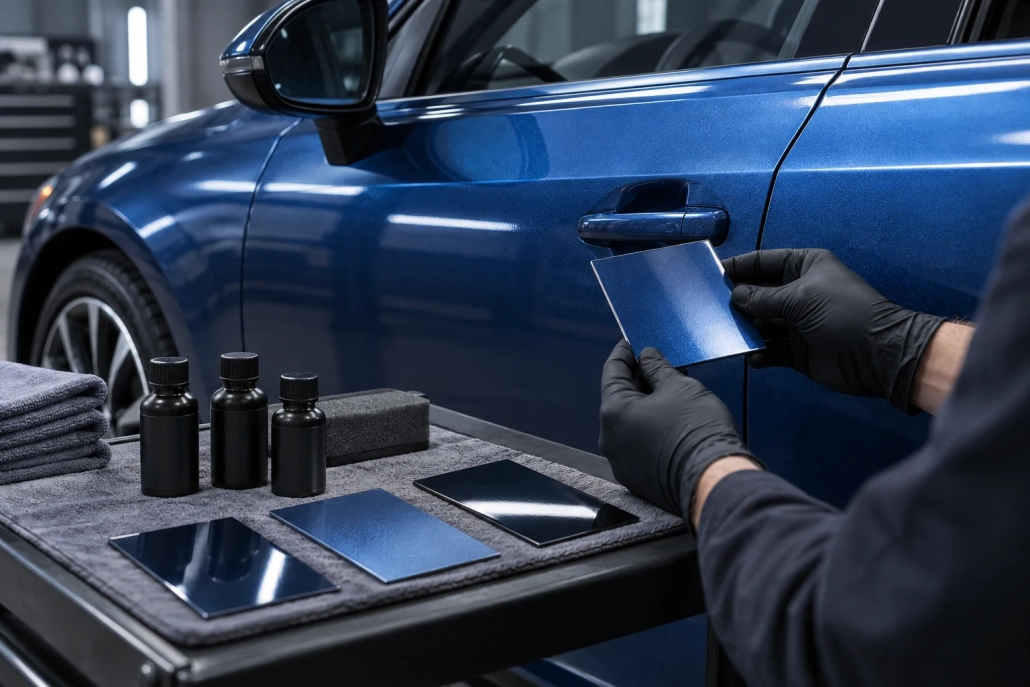
Use surface type, desired finish, installation conditions and maintenance needs to narrow the choice to a suitable NANOLAB coating.