






A full polishing range.
From cutting and one-step correction to final finishing.
Specialist chemistry. Expert application.
 QUARTZ99 / CERAMIC BASE COAT
The foundation of your coating system.
A layerable quartz base coat designed for mechanical protection. Pair it with a suitable top coat to create the final finish.
For application by NANOLAB certified installers only.
Four formulas. Extended working time. Find the coating for your finish.
Explore the BEAST family of ceramic coatings.
Find the coating for each exterior surface.
 PPF & VINYLGLOSSProtection for glossy films and wraps.Discover
 MATTE & SATINMATTEProtection that respects the finish.Discover
 GLASSWINDOWSExplore dedicated glass protection.Discover
 WHEEL PROTECTIONWHEELSA dedicated coating for your wheels.Discover
 TRIM PROTECTIONPLASTICProtection for plastic surfaces.Discover
Dedicated care for the surfaces inside.
 LEATHER SURFACESLEATHERDiscover NANOLAB leather protection.Discover PLASTIC SURFACESPLASTICProtection for interior plastic surfaces.Discover TEXTILE SURFACESFABRICExplore the latest fabric formulation.Discover
Spray protection, maintenance and upcoming wash products.
 MAINTENANCEBEAST 365Explore the BEAST maintenance range.Discover
Next in washing, cleaning & care.
Ceramic protection for boats and yachts.
An easy-to-apply ceramic coating with an established track record on boats and yachts around the world.
Results vary with surface preparation, exposure and maintenance.
Read 50 MARINE guides →Explore MARINEProtection for the surfaces you live with.
A look at what we’re developing.
From cutting and one-step correction to final finishing.
A wider range for professional vehicle care.
Taking shape alongside BEAST & MATRIX.
Practical guidance for your next coating project.
Explore all guides →
Compare ceramic coating quotes by supplied volume, kit contents and operating requirements. Build a clear comparison before choosing a supplier.
Updated · NANOLAB Knowledge
A coating quote can look cheaper because it describes a smaller bottle, a different kit or a different scope of supply. Before comparing totals, make the offers comparable. The purpose is to understand exactly what your business would receive and what work remains your responsibility.
Write down the intended surface, customer type and form of supply. A ready-to-sell kit and a bulk product are different operating choices. Even if their liquids serve the same application, they may leave different packaging, handling and support tasks with the buyer. Ask each supplier to respond to the same brief.
Record the exact product and revision where available. Do not assume that two quotes describe the same formula merely because both use the words ceramic coating. Keep unresolved compatibility or product-identity questions visible until the supplier answers them.
For an initial purchasing comparison, divide the product subtotal by the total labelled volume supplied. Keep the currency and the treatment of shipping and taxes consistent. This calculation compares purchased volume; it does not establish coverage, durability or suitability.
Illustrative arithmetic only: an offer of 100 bottles at 50 mL contains 5,000 mL. An offer of 100 bottles at 30 mL contains 3,000 mL. Comparing the two order totals without recording that difference hides a material part of the purchasing decision. These are examples, not NANOLAB prices or order terms.
| Comparison field | Question to resolve |
|---|---|
| Product and volume | Which exact product and how much labelled liquid are supplied? |
| Packaging | Are bottles, labels, boxes and application accessories included? |
| Documentation | Which current product instructions and supporting documents are available? |
| Buyer responsibilities | What filling, packing or other work would the buyer perform? |
| Commercial scope | Which charges and services are excluded or still to be confirmed? |
Do not assign a value of zero to an unknown cost. Mark it as unconfirmed. A blank field can change the purchasing decision once the real responsibility becomes clear.
A cost-per-job estimate needs a product-specific consumption assumption and a defined application scope. Record where that assumption came from. If it comes from a pilot installation, record the treated area and distinguish routine application use from trial losses. Avoid translating nominal bottle volume into a guaranteed number of vehicles.
Preparation, application and support effort should remain separate lines. A volume comparison is a useful purchasing tool, but it cannot replace a controlled product evaluation or a review of the complete workflow.
Keep the original quotes, the comparison sheet and the answers to open questions together. State why the chosen offer fits the intended use and which assumptions still need confirmation before an order is released. This gives purchasing, sales and the application team the same understanding.
Suppose offer A contains 100 x 50 mL bottles for $1,000 and offer B contains 100 x 30 mL bottles for $720. These invented figures give $200/L for A and $240/L for B. B has the lower invoice total, but A has the lower price per supplied litre. Neither result establishes the better coating.
Record separately: liquid volume; applicators included; labelling work; freight quoted; and costs still unknown. If B includes accessories that A excludes, put their actual quoted cost on another line before comparing. Keep performance evaluation outside this arithmetic. A buyer who needs smaller retail packs may still prefer B, provided that choice is explicit.
For a NANOLAB project, start with the private-label options, review the product documentation and send the intended application and supply requirements. Request current commercial terms directly.
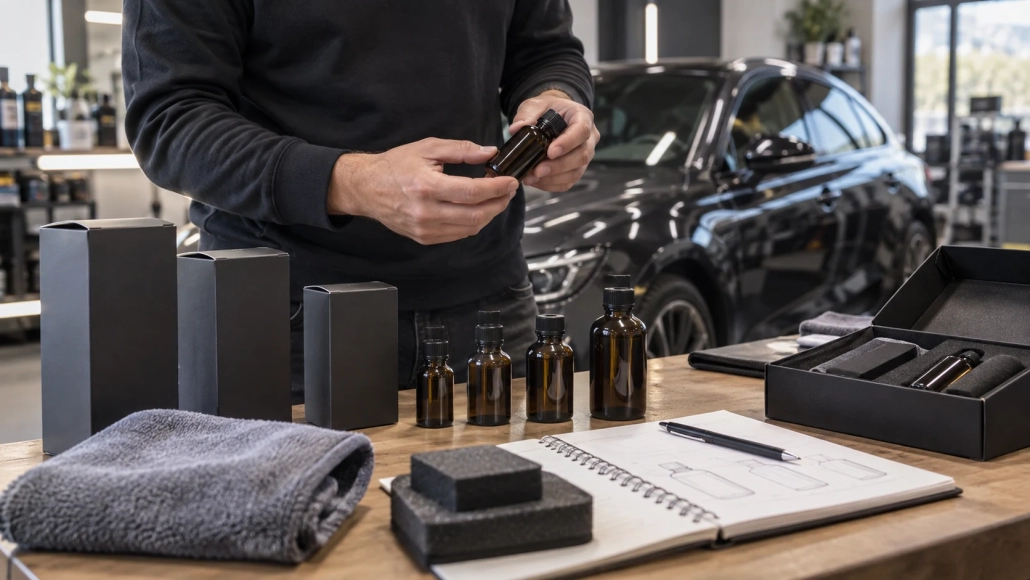
Choose private label coating pack sizes around actual application use, opening frequency, kit contents and customer expectations.
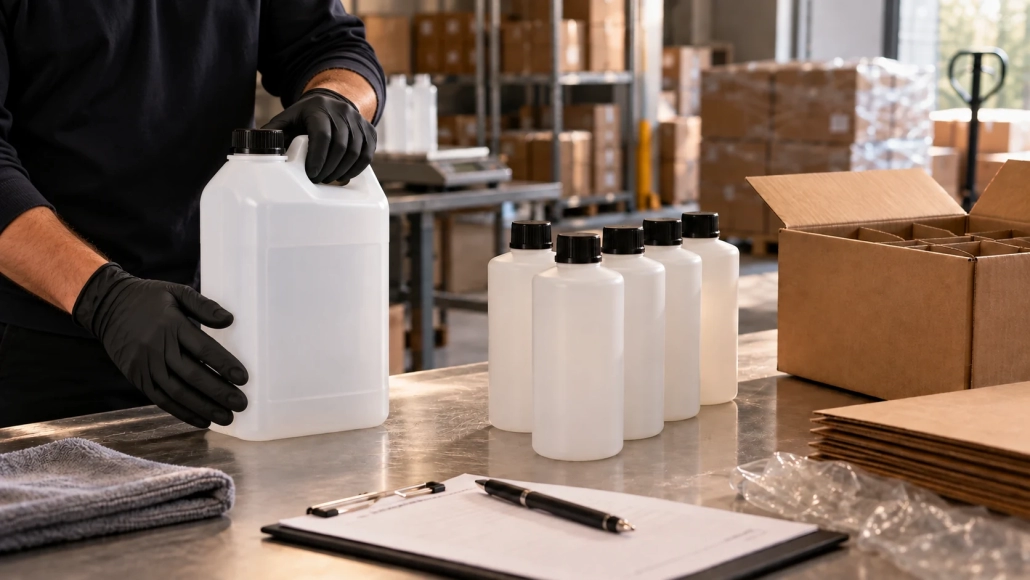
Compare coating supply offers using fill volume, packaging, documentation, sample approval and delivery scope instead of bottle price alone.

Create a supplier request that separates product requirements from commercial assumptions.