
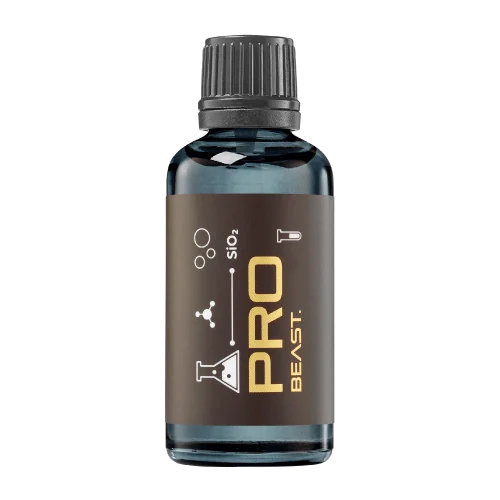
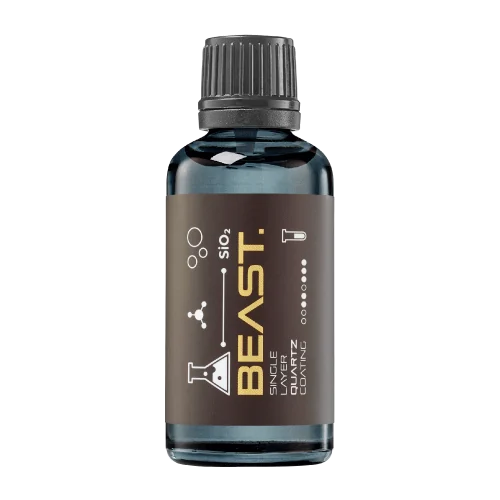
IN DEVELOPMENT / MATRIX SERIES
MATRIX ELITE P7020
The next flagship of the MATRIX series.
75%Solids content
Specialist chemistry. Expert application.
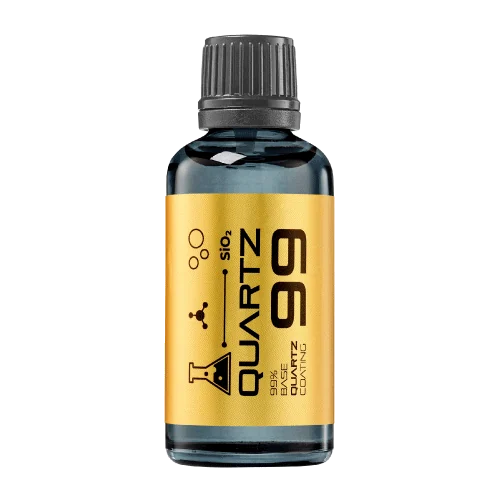 QUARTZ99 / CERAMIC BASE COAT
The foundation of your coating system.
A layerable quartz base coat designed for mechanical protection. Pair it with a suitable top coat to create the final finish.
For application by NANOLAB certified installers only.
Extended working time. A coating for the way you work.
 P5012MATRIX PRORefined protection for glossy finishes.Application1/10Discover P503GMATRIX GRAPHENEVersatile protection for gloss and matte finishes.Application1/10Discover P303MATRIX LITEFor efficient, high-volume detailing.Application1/10Discover
 Explore the BEAST family of ceramic coatings.
Find the coating for each exterior surface.
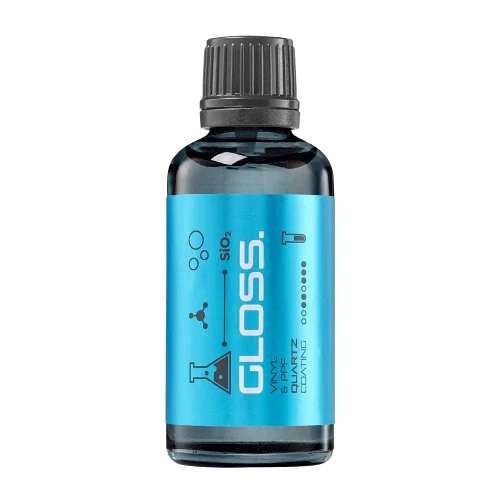 PPF & VINYLGLOSSProtection for glossy films and wraps.Application3/10Discover
 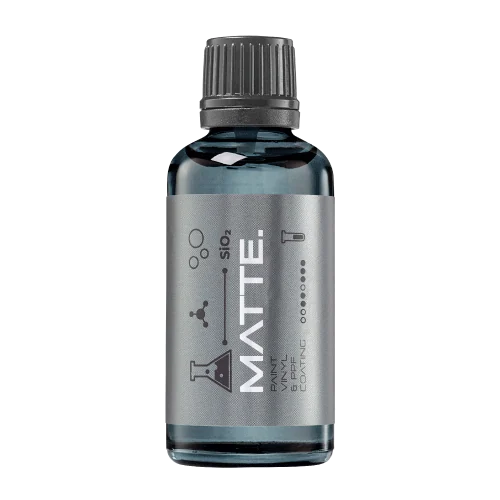 MATTE & SATINMATTEProtection that respects the finish.Application3/10Discover
 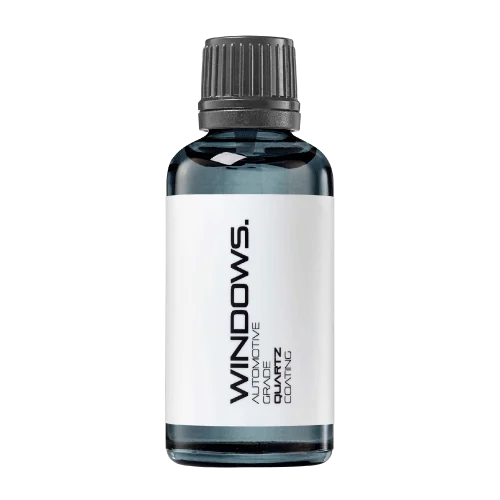 GLASSWINDOWSExplore dedicated glass protection.Application3/10Discover
 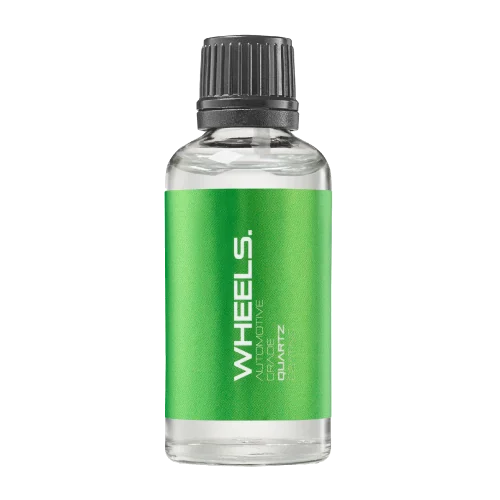 WHEEL PROTECTIONWHEELSA dedicated coating for your wheels.Application2/10Discover
 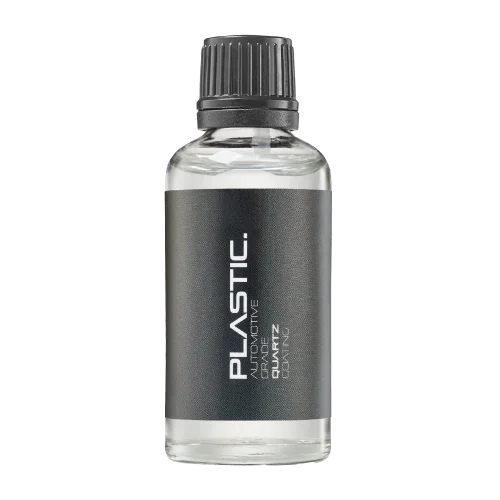 TRIM PROTECTIONPLASTICProtection for plastic surfaces.Application2/10Discover
 Dedicated care for the surfaces inside.
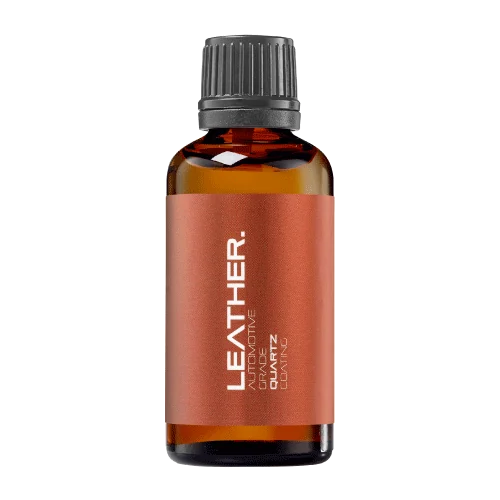 LEATHER SURFACESLEATHERDiscover NANOLAB leather protection.Application5/10Discover PLASTIC SURFACESPLASTICProtection for interior plastic surfaces.Application2/10Discover TEXTILE SURFACESFABRICExplore the latest fabric formulation.Application2/10Discover
 Spray protection, maintenance and upcoming wash products.
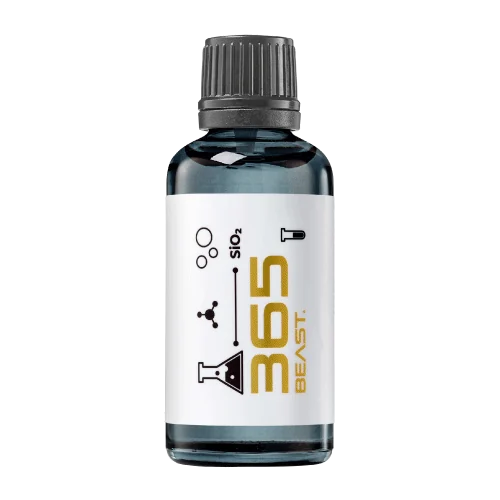 MAINTENANCEBEAST 365Explore the BEAST maintenance range.Application4/10Discover
 Next in washing, cleaning & care.
Ceramic protection for boats and yachts.
An easy-to-apply ceramic coating with an established track record on boats and yachts around the world.
Results vary with surface preparation, exposure and maintenance.
Read 50 MARINE guides →Explore MARINE Application4/10Protection for the surfaces you live with.
A look at what we’re developing.
The next flagship of the MATRIX series.
From cutting and one-step correction to final finishing.
A wider range for professional vehicle care.
Taking shape alongside BEAST & MATRIX.
Practical guidance for your next coating project.
Explore all guides →
Compare a new towel, applicator or inspection tool under controlled conditions before changing a workshop's established coating process.
Updated · NANOLAB Knowledge
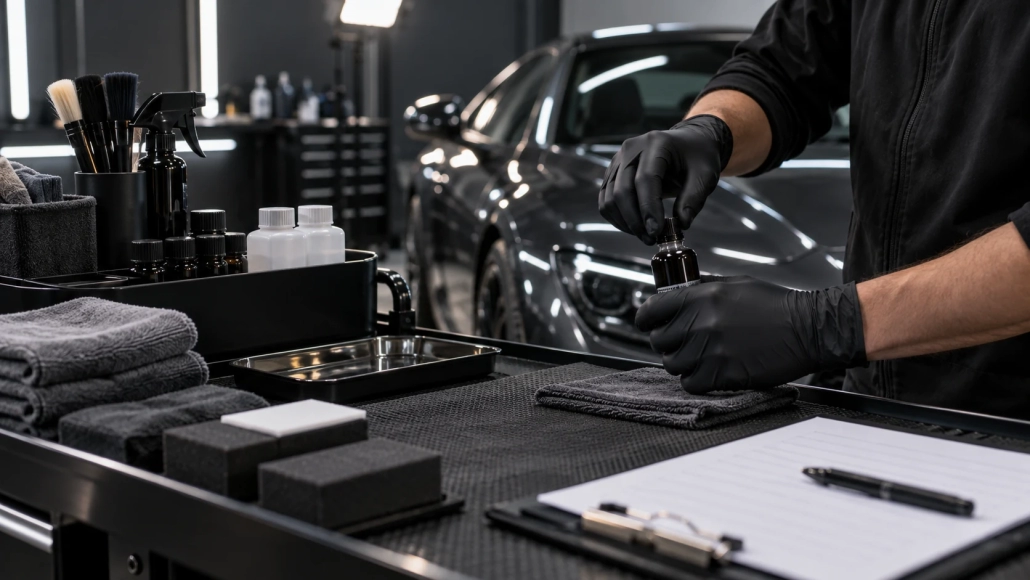
A new detailing tool should solve a defined problem. Buying it because it looks faster or feels softer does not establish that it improves the actual coating workflow. A small controlled trial can reveal practical benefits, limitations and training needs before the tool becomes part of every installation.
Write a short requirement: clearer inspection of lower panels, more controlled application around trim or more reliable drying without lint. Identify the current tool and the difficulty observed. A specific requirement prevents an appealing feature from becoming the entire basis for approval.
Use the workstation checklist to consider access, storage and handling. A tool that works on a bench may still be awkward in the space available around a vehicle.
Use comparable surfaces and the same approved product process. Change one tool variable at a time and record the relevant conditions. Do not compare a new towel on an easy panel with an old towel on a contaminated or awkward section.
The test panel library can provide repeatable surfaces. Confirm that the tool and trial are suitable for the materials involved before considering use on customer vehicles.
Record the finish, residue handling, control, fatigue and any extra steps required. Check whether the tool remains suitable after cleaning or repeated use where that is part of its intended service. A faster first pass may create more inspection or rework later.
Use coating quality control to keep the final outcome in view. Ask installers to describe the conditions in which the tool helped and those in which it did not.
If the trial is successful, document the task, product combinations and handling instructions for which it was approved. Avoid declaring it a universal replacement on the strength of one favourable result. Keep a route for reporting problems during wider use.
Update the work instruction revision only after the decision is clear. A useful trial ends with an evidence-based operating choice, including a decision to keep the existing tool when the proposed change offers no practical improvement.
Organise products, tools, lighting and records before opening a coating bottle so the application can proceed without avoidable interruptions.
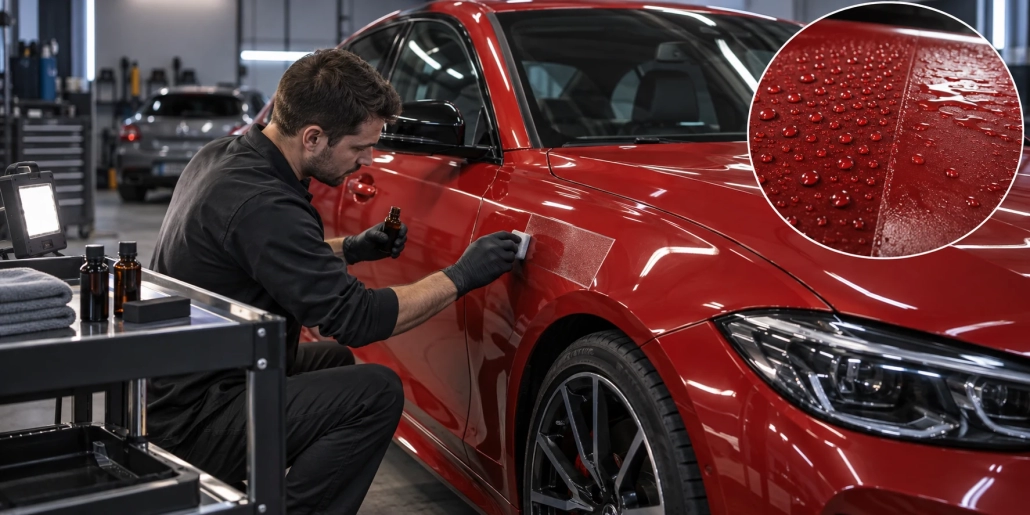
Select and document test panels that support repeatable coating trials without confusing differences in paint, preparation or panel history.
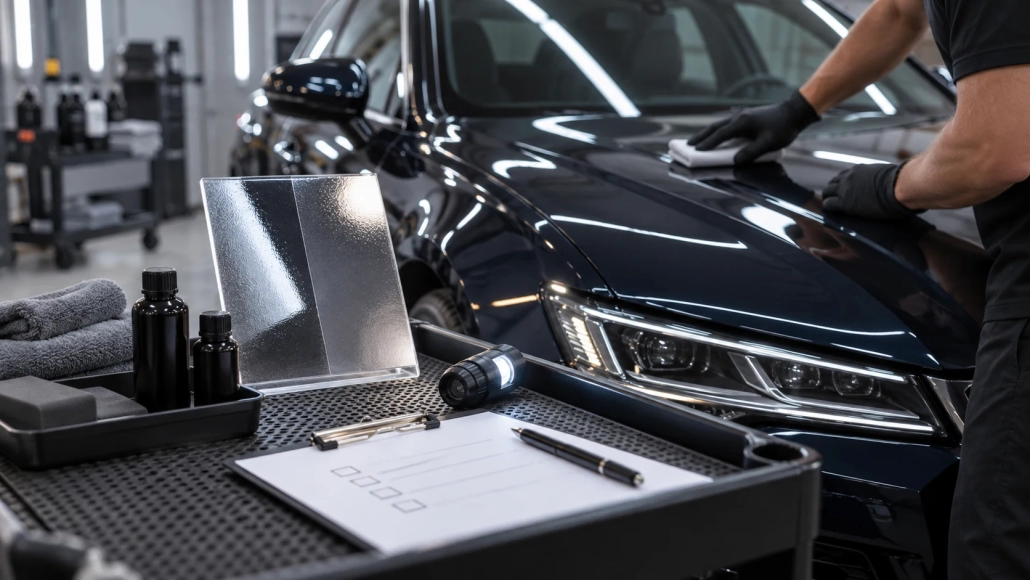
Use clear checkpoints before application, after levelling and at handover to make coating work consistent and traceable.

 What to Do When Ceramic Coating Application Is Interrupted