
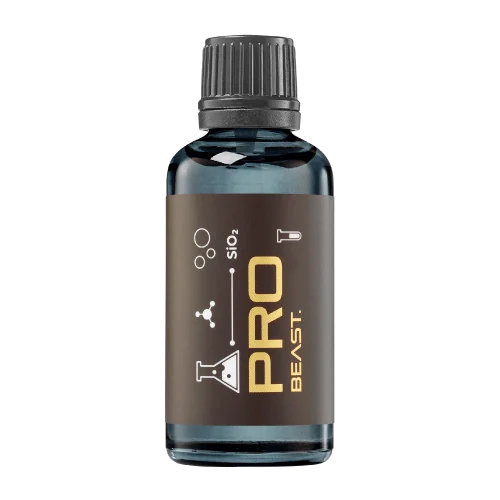
IN DEVELOPMENT / MATRIX SERIES
MATRIX ELITE P7020
The next flagship of the MATRIX series.
75%Solids content
Specialist chemistry. Expert application.
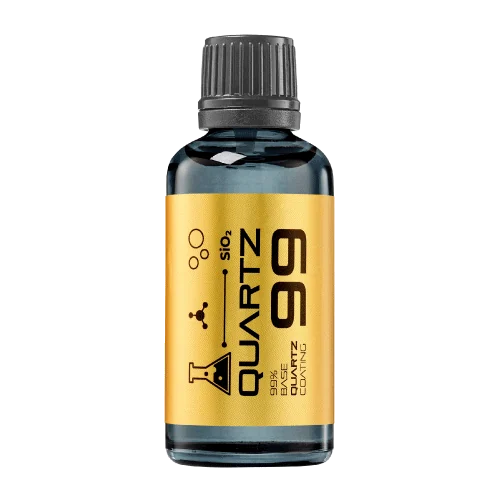 QUARTZ99 / CERAMIC BASE COAT
The foundation of your coating system.
A layerable quartz base coat designed for mechanical protection. Pair it with a suitable top coat to create the final finish.
For application by NANOLAB certified installers only.
Extended working time. A coating for the way you work.
 P5012MATRIX PRORefined protection for glossy finishes.Application1/10Discover P503GMATRIX GRAPHENEVersatile protection for gloss and matte finishes.Application1/10Discover P303MATRIX LITEFor efficient, high-volume detailing.Application1/10Discover
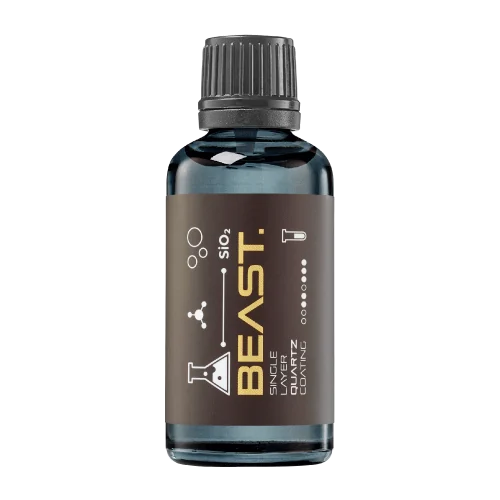
 Explore the BEAST family of ceramic coatings.
Find the coating for each exterior surface.
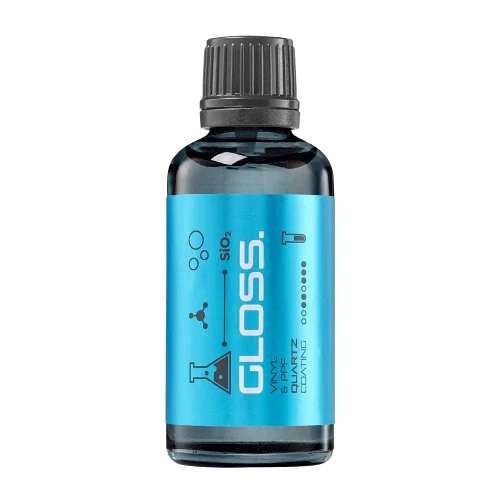 PPF & VINYLGLOSSProtection for glossy films and wraps.Application3/10Discover
 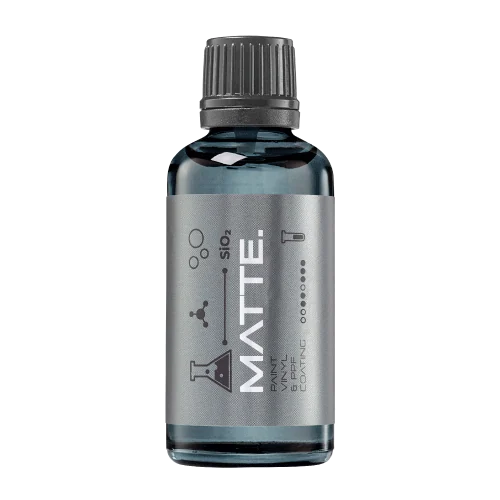 MATTE & SATINMATTEProtection that respects the finish.Application3/10Discover
 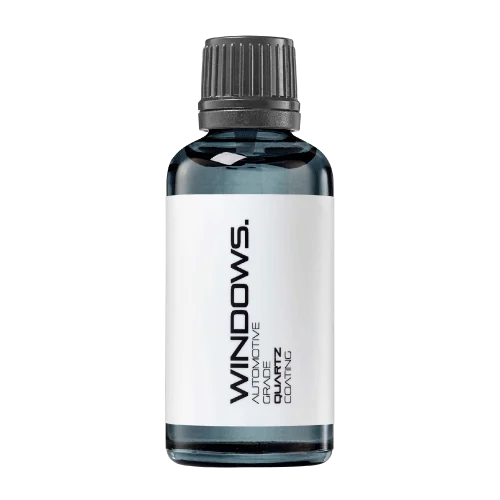 GLASSWINDOWSExplore dedicated glass protection.Application3/10Discover
 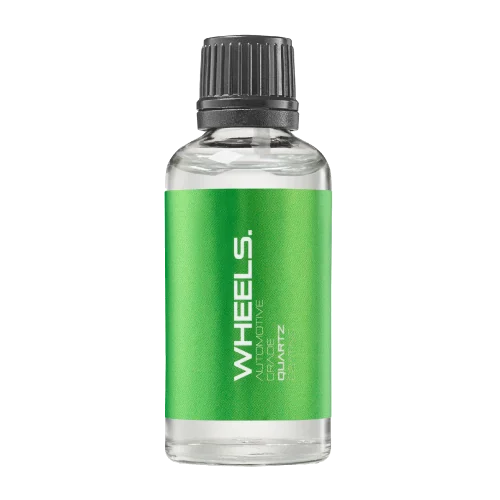 WHEEL PROTECTIONWHEELSA dedicated coating for your wheels.Application2/10Discover
 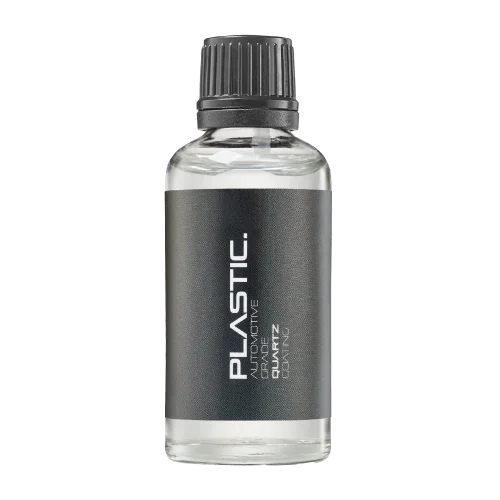 TRIM PROTECTIONPLASTICProtection for plastic surfaces.Application2/10Discover
 Dedicated care for the surfaces inside.
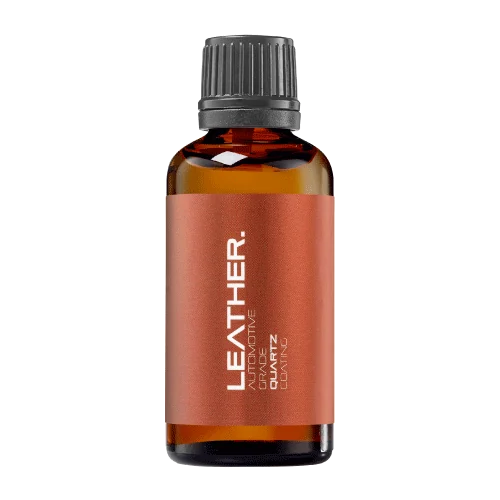 LEATHER SURFACESLEATHERDiscover NANOLAB leather protection.Application5/10Discover PLASTIC SURFACESPLASTICProtection for interior plastic surfaces.Application2/10Discover TEXTILE SURFACESFABRICExplore the latest fabric formulation.Application2/10Discover
 Spray protection, maintenance and upcoming wash products.
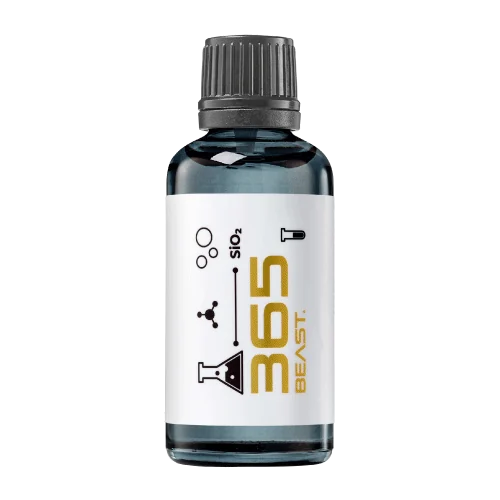 MAINTENANCEBEAST 365Explore the BEAST maintenance range.Application4/10Discover
 Next in washing, cleaning & care.
Ceramic protection for boats and yachts.
An easy-to-apply ceramic coating with an established track record on boats and yachts around the world.
Results vary with surface preparation, exposure and maintenance.
Read 50 MARINE guides →Explore MARINE Application4/10Protection for the surfaces you live with.
A look at what we’re developing.
The next flagship of the MATRIX series.
From cutting and one-step correction to final finishing.
A wider range for professional vehicle care.
Taking shape alongside BEAST & MATRIX.
Practical guidance for your next coating project.
Explore all guides →
Select and document test panels that support repeatable coating trials without confusing differences in paint, preparation or panel history.
Updated · NANOLAB Knowledge
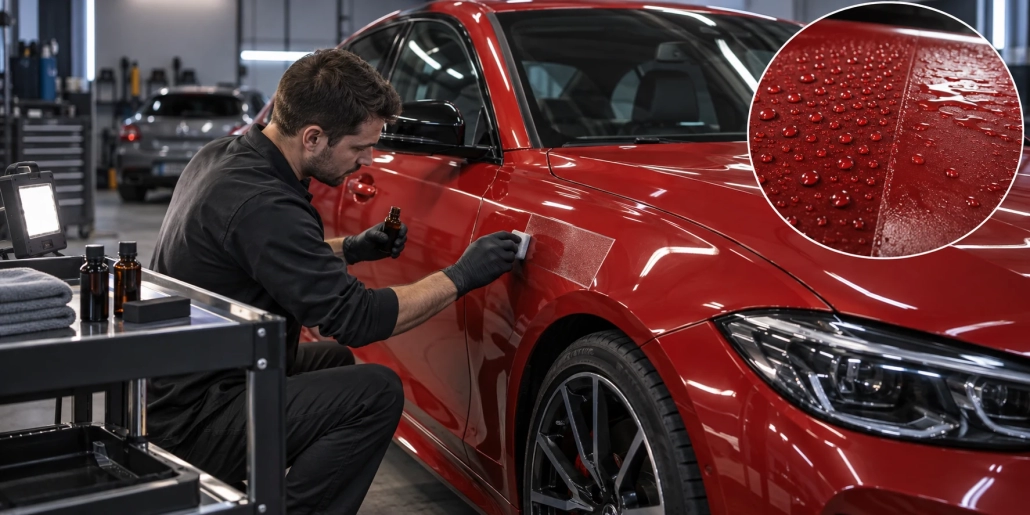
A test-panel library can make coating evaluations easier to repeat. The important feature is not the number of panels but the quality of their records. Unknown paint history, old protection or inconsistent polishing can make two apparently similar panels behave differently.
Separate practice panels, appearance-comparison panels and panels reserved for a particular compatibility trial. A heavily used training panel may be useful for learning hand movements but unsuitable for comparing subtle finish differences. Record the known substrate and paint history, and mark uncertainty clearly.
Use the paint inspection guide to establish a baseline. Avoid treating a panel with repeated polishing or unknown repair history as equivalent to a fresh reference surface.
Use a reference that remains readable without marking the test area. Record preparation, products applied, dates, removal attempts and any changes in appearance. Photograph the clean baseline under a repeatable light position.
If a panel is divided into sections, keep the section map with the record. Leave enough separation to avoid carrying product or towel residue from one test area to another.
Before a new trial, decide whether the panel can be returned to a suitable baseline. Do not assume a quick wipe removes a cured coating. If the previous treatment cannot be confidently accounted for, assign the panel to a different purpose or retire it from comparative testing.
The old-coating removal guide explains why surface history matters. Repeated abrasion can also change the paint available for future work, so endless reuse is not automatically a good economy.
Include panel identity, section, product reference, application conditions, preparation, installer, timing and inspection result. A second person should be able to understand the trial without relying on the first person’s memory.
Use the library with a coating test spot and, where appropriate, a blind sample comparison. It is a practical training and evaluation tool. It does not replace testing on the actual approved substrate or establish compatibility beyond the product’s documented scope.
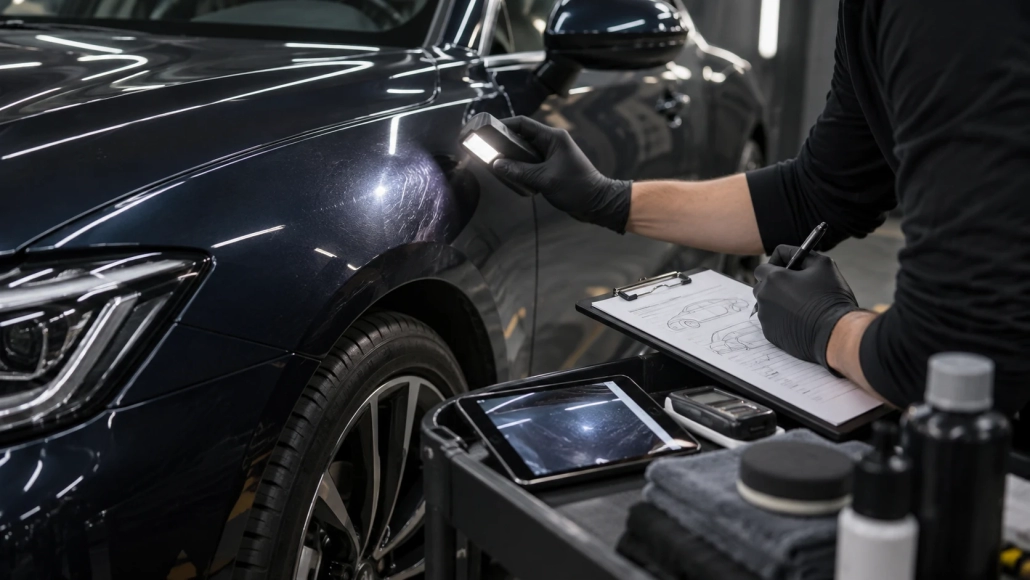
Create a useful record of paint condition, repairs and agreed correction limits before preparation and coating begin.
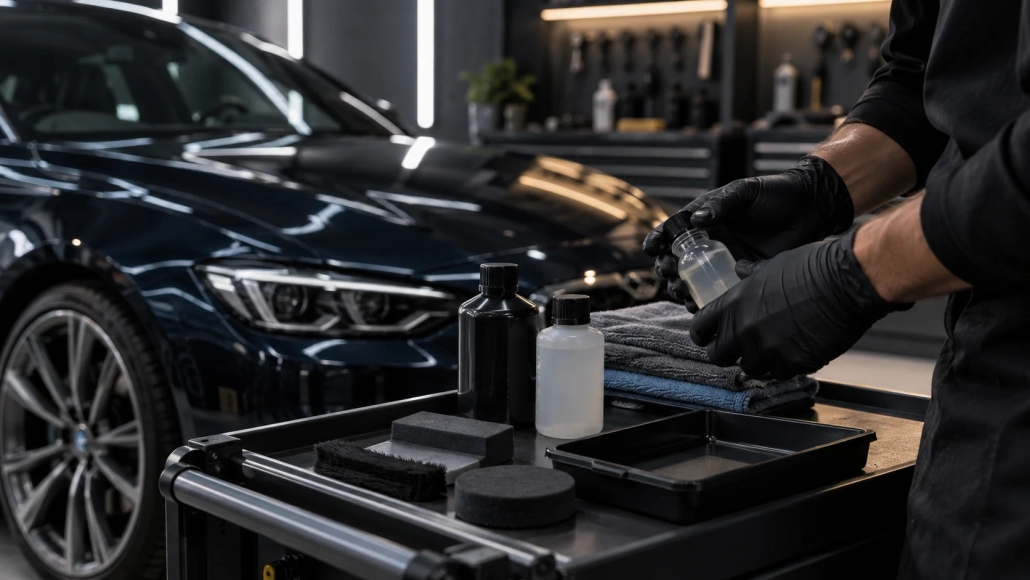
Assess an existing coating before removal and plan correction or renewal without assuming a wash or single chemical treatment removes every system.
Use a small test area to verify compatibility, finish change and levelling before applying a coating across the vehicle.

 Collecting Installer Feedback That Improves a Coating Product