
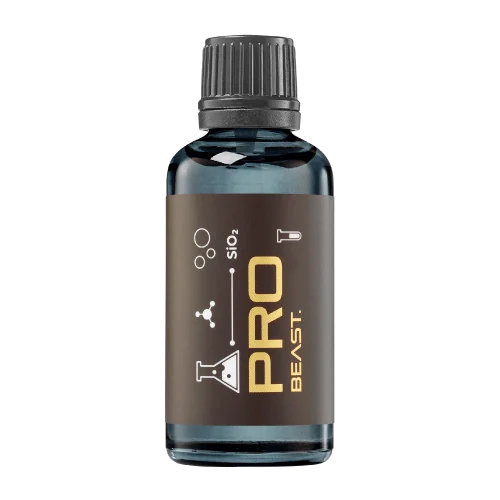
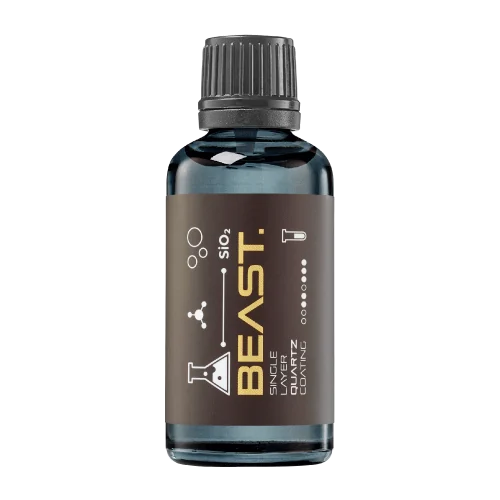
IN DEVELOPMENT / MATRIX SERIES
MATRIX ELITE P7020
The next flagship of the MATRIX series.
75%Solids content
Specialist chemistry. Expert application.
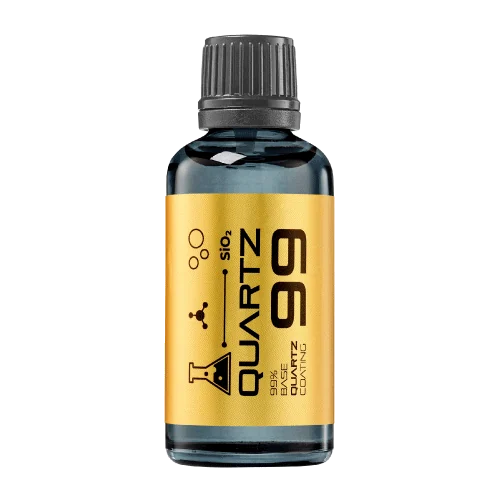 QUARTZ99 / CERAMIC BASE COAT
The foundation of your coating system.
A layerable quartz base coat designed for mechanical protection. Pair it with a suitable top coat to create the final finish.
For application by NANOLAB certified installers only.
Extended working time. A coating for the way you work.
 P5012MATRIX PRORefined protection for glossy finishes.Application1/10Discover P503GMATRIX GRAPHENEVersatile protection for gloss and matte finishes.Application1/10Discover P303MATRIX LITEFor efficient, high-volume detailing.Application1/10Discover
 Explore the BEAST family of ceramic coatings.
Find the coating for each exterior surface.
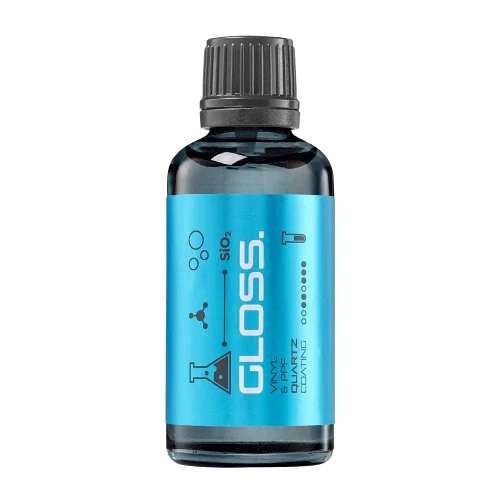 PPF & VINYLGLOSSProtection for glossy films and wraps.Application3/10Discover
 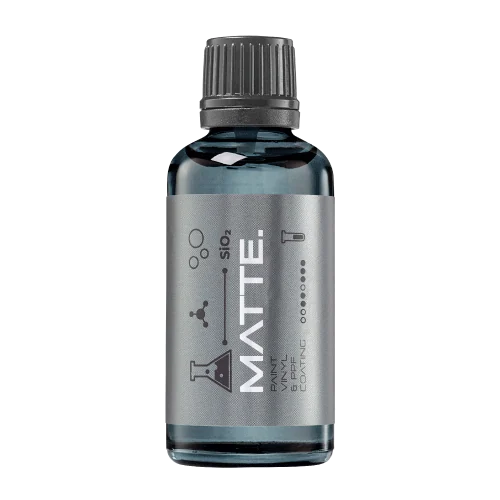 MATTE & SATINMATTEProtection that respects the finish.Application3/10Discover
 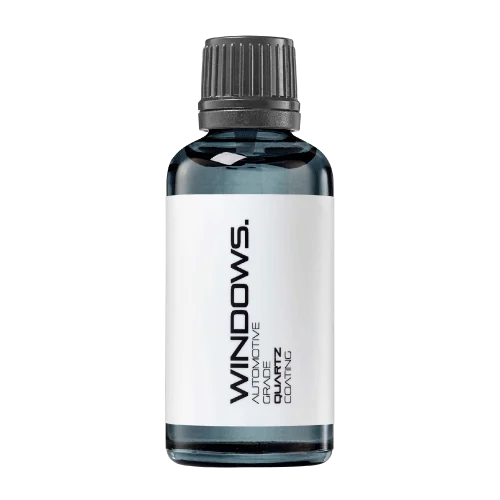 GLASSWINDOWSExplore dedicated glass protection.Application3/10Discover
 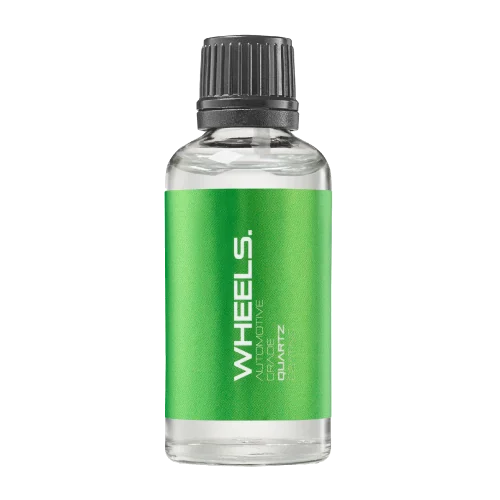 WHEEL PROTECTIONWHEELSA dedicated coating for your wheels.Application2/10Discover
 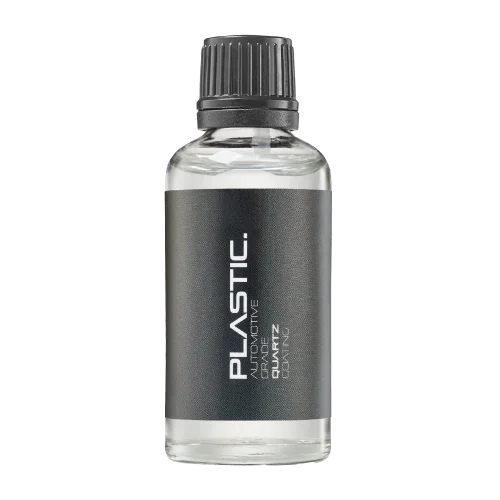 TRIM PROTECTIONPLASTICProtection for plastic surfaces.Application2/10Discover
 Dedicated care for the surfaces inside.
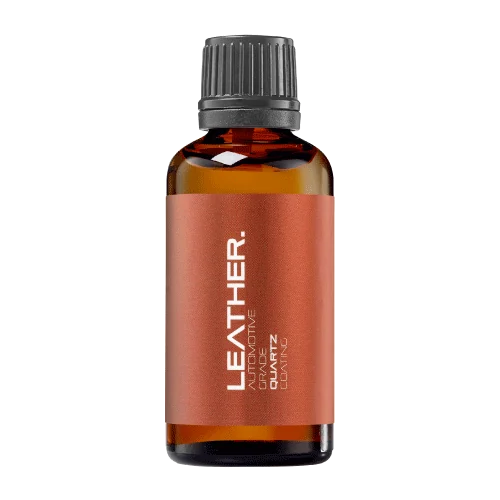 LEATHER SURFACESLEATHERDiscover NANOLAB leather protection.Application5/10Discover PLASTIC SURFACESPLASTICProtection for interior plastic surfaces.Application2/10Discover TEXTILE SURFACESFABRICExplore the latest fabric formulation.Application2/10Discover
 Spray protection, maintenance and upcoming wash products.
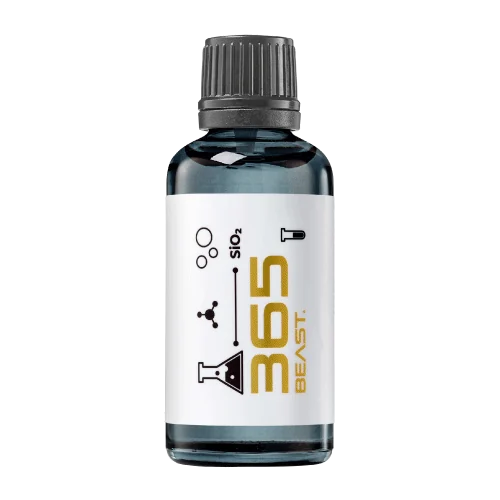 MAINTENANCEBEAST 365Explore the BEAST maintenance range.Application4/10Discover
 Next in washing, cleaning & care.
Ceramic protection for boats and yachts.
An easy-to-apply ceramic coating with an established track record on boats and yachts around the world.
Results vary with surface preparation, exposure and maintenance.
Read 50 MARINE guides →Explore MARINE Application4/10Protection for the surfaces you live with.
A look at what we’re developing.
The next flagship of the MATRIX series.
From cutting and one-step correction to final finishing.
A wider range for professional vehicle care.
Taking shape alongside BEAST & MATRIX.
Practical guidance for your next coating project.
Explore all guides →
Keep coating performance statements connected to their product version, test method and limitations before using them in sales material.
Updated · NANOLAB Knowledge
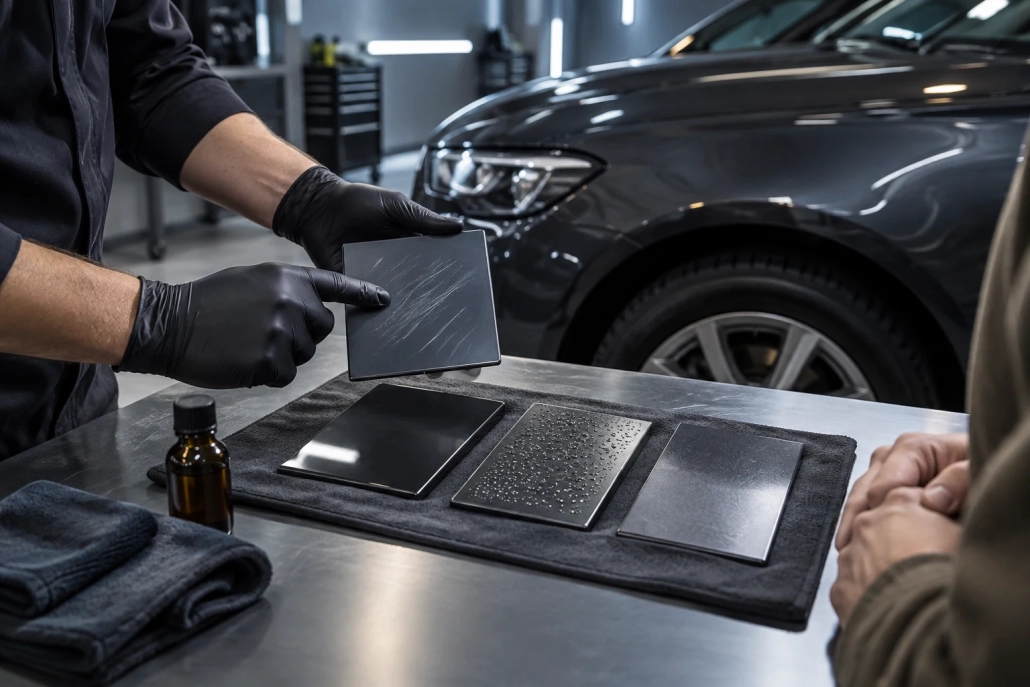
A coating claim is easier to defend and explain when the supporting evidence can be found. Create an evidence file before writing the headline. This helps a brand distinguish a documented property from a workshop observation, a general expectation or an unsupported promise.
“Easy to apply” and “can be levelled using a defined process under stated conditions” are different statements. Write the wording you intend to use, then identify the evidence needed for that wording. Broad terms such as scratch-proof or maintenance-free create expectations that normal ceramic coating care does not support.
Review coating limitations when drafting customer-facing descriptions. The goal is a useful expectation, not a list of impressive but disconnected numbers.
Record the formula reference, relevant batch or sample, test method, conditions, result and date. Note who performed the work and whether it was an internal evaluation or an independent test. A result for a different formula, substrate or method may not support the statement you want to make.
If a report uses a defined test scale, retain its context. For example, a pencil hardness classification should not be reworded as a promise that keys or road grit cannot scratch the vehicle. See the guide to 9H terminology before turning a test label into a consumer claim.
A video can show water behaviour at a particular moment. It cannot by itself demonstrate long-term durability, chemical compatibility or a complete maintenance history. Keep the observation and the interpretation in separate fields so that later marketing edits do not remove the limits.
For an internal review, use four statuses: supported as written, supported with narrower wording, more evidence required, or remove. Assign an approver with access to the underlying documents.
Formula revisions, new surfaces and changed instructions can affect whether an old statement remains appropriate. Connect the evidence review to formula change control, not only to a yearly marketing refresh.
Discuss product-specific statements with NANOLAB using the proposed wording and intended context. This process is an editorial and technical review aid; market-specific advertising and labelling requirements still need appropriate local review.
Set realistic expectations for scratches, stone chips, water spots and maintenance before choosing a ceramic coating for your vehicle.
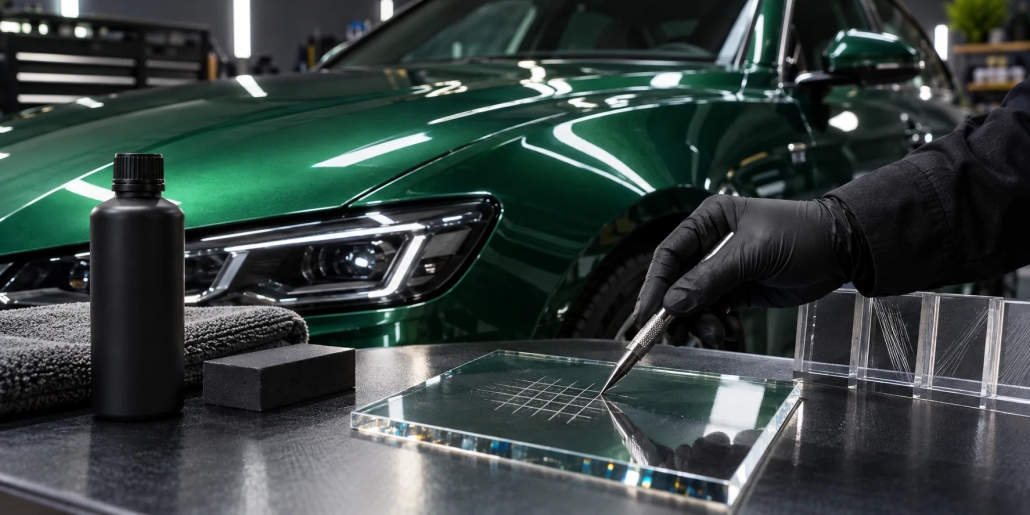
Learn how to interpret a pencil-hardness claim, why it differs from mineral hardness, and what it cannot tell you about real-world vehicle scratches.
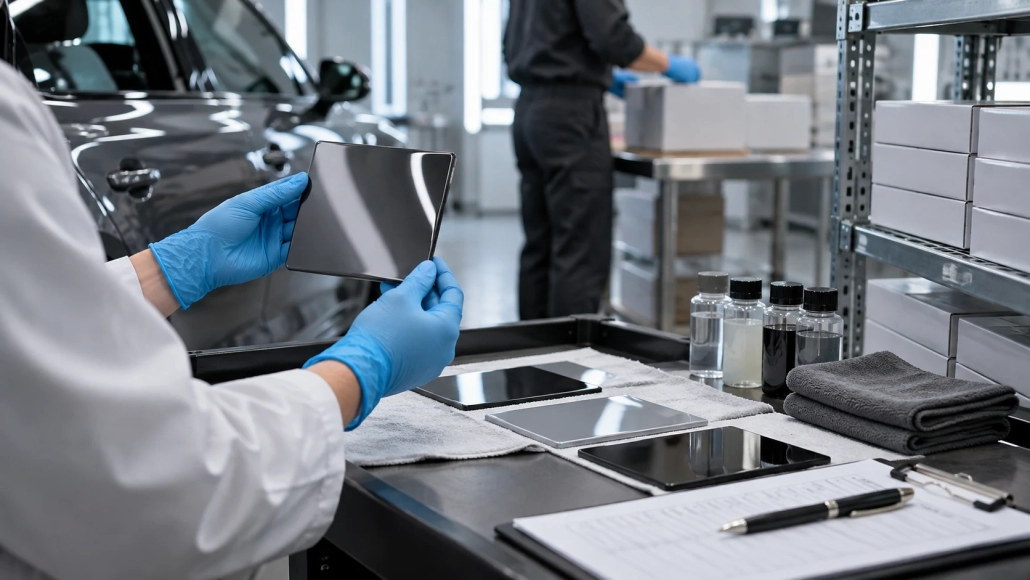
Control formula revisions with clear reasons, sample evaluation, document updates and stock identification before a changed coating reaches users.

 Building a Useful Test-Panel Library for Coating Evaluation