
IN DEVELOPMENT / MATRIX SERIES
MATRIX ELITE P7020
The next flagship of the MATRIX series.
75%Solids content
Specialist chemistry. Expert application.
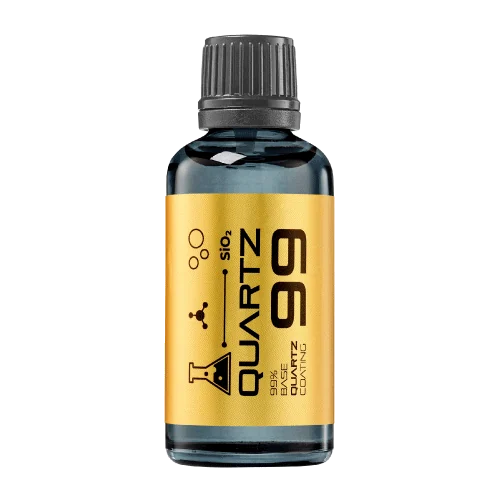 QUARTZ99 / CERAMIC BASE COAT
The foundation of your coating system.
A layerable quartz base coat designed for mechanical protection. Pair it with a suitable top coat to create the final finish.
For application by NANOLAB certified installers only.
Extended working time. A coating for the way you work.
 P5012MATRIX PRORefined protection for glossy finishes.Application1/10Discover P503GMATRIX GRAPHENEVersatile protection for gloss and matte finishes.Application1/10Discover P303MATRIX LITEFor efficient, high-volume detailing.Application1/10Discover
 Explore the BEAST family of ceramic coatings.
Find the coating for each exterior surface.
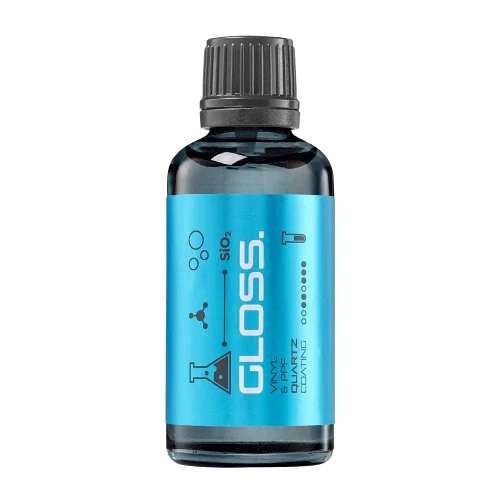 PPF & VINYLGLOSSProtection for glossy films and wraps.Application3/10Discover
 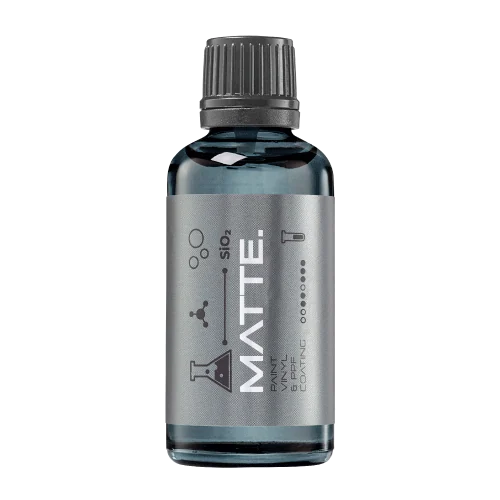 MATTE & SATINMATTEProtection that respects the finish.Application3/10Discover
 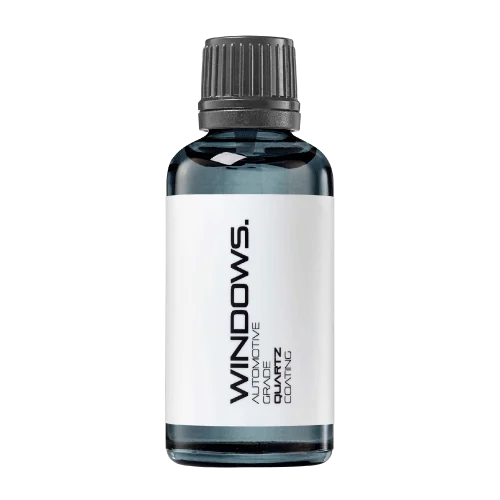 GLASSWINDOWSExplore dedicated glass protection.Application3/10Discover
 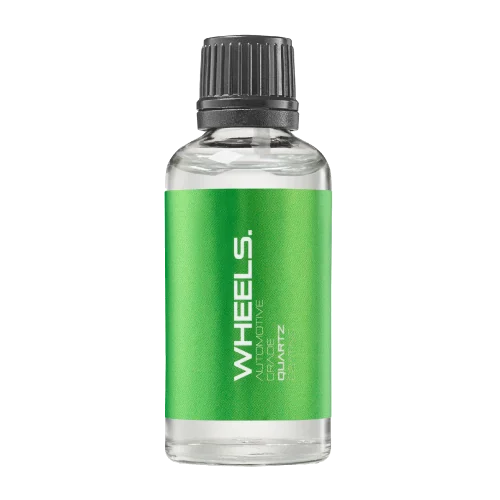 WHEEL PROTECTIONWHEELSA dedicated coating for your wheels.Application2/10Discover
 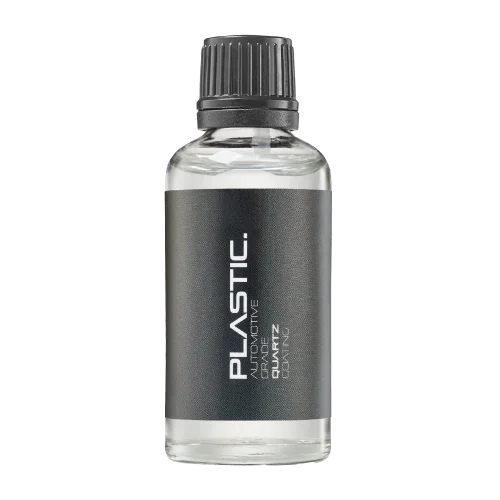 TRIM PROTECTIONPLASTICProtection for plastic surfaces.Application2/10Discover
 Dedicated care for the surfaces inside.
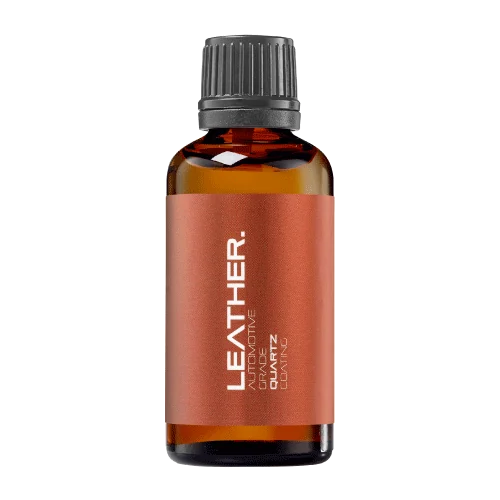 LEATHER SURFACESLEATHERDiscover NANOLAB leather protection.Application5/10Discover PLASTIC SURFACESPLASTICProtection for interior plastic surfaces.Application2/10Discover TEXTILE SURFACESFABRICExplore the latest fabric formulation.Application2/10Discover
 Spray protection, maintenance and upcoming wash products.
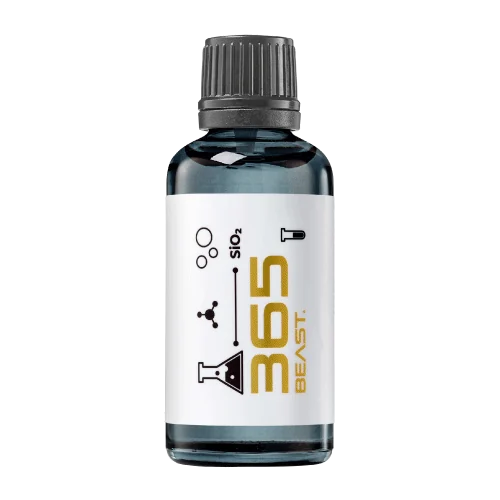 MAINTENANCEBEAST 365Explore the BEAST maintenance range.Application4/10Discover
 Next in washing, cleaning & care.
Ceramic protection for boats and yachts.
An easy-to-apply ceramic coating with an established track record on boats and yachts around the world.
Results vary with surface preparation, exposure and maintenance.
Read 50 MARINE guides →Explore MARINE Application4/10Protection for the surfaces you live with.
A look at what we’re developing.
The next flagship of the MATRIX series.
From cutting and one-step correction to final finishing.
A wider range for professional vehicle care.
Taking shape alongside BEAST & MATRIX.
Practical guidance for your next coating project.
Explore all guides →
Control formula revisions with clear reasons, sample evaluation, document updates and stock identification before a changed coating reaches users.
Updated · NANOLAB Knowledge

A formula change should move through a defined review, even when the intention is an improvement. Application behaviour, appearance, packaging compatibility and instructions may be connected. Treat the revised product as a specific version that needs an appropriate approval, not as an invisible substitution under an unchanged label.
Describe the problem or requirement the change addresses. Examples include an agreed application improvement or a different intended surface. Record what must remain unchanged as well: the permitted finish, pack format or user experience may be important constraints.
Avoid a request such as “make it stronger”. Specify an observable outcome and the conditions in which it will be evaluated. The sample scorecard helps keep that evaluation focused.
Ask the manufacturer which properties and documents the revision affects. Plan representative application trials and check the finished pack where relevant. A change to the liquid may require a review of storage or packaging assumptions; a change to instructions may require installer communication even when the bottle looks identical.
Keep the previous approved sample reference beside the proposed one. Use comparable preparation and inspection conditions so that a difference in the test method is not mistaken for a difference in the formulation.
Do not mix old and new instructions inside one kit. If the same product name remains in use, a batch or revision reference becomes especially important for support.
Record approval, rejection or the further work required, including who made the decision. Store the reason for the change, evaluation findings and current documents together. Later complaints can then be assessed against the version actually supplied.
Connect this process to OEM quality control and discuss the proposed revision through NANOLAB. A controlled improvement is one that customers can use correctly and your team can trace afterwards.

Compare private label coating samples using consistent preparation, application notes, finish checks and aftercare observations.
Define sample approval, batch traceability and application checks so a coating programme can maintain consistency from evaluation to supplied product.

 Retained Samples for a Ceramic Coating Supply Programme