

IN DEVELOPMENT / MATRIX SERIES
MATRIX ELITE P7020
The next flagship of the MATRIX series.
75%Solids content
Specialist chemistry. Expert application.
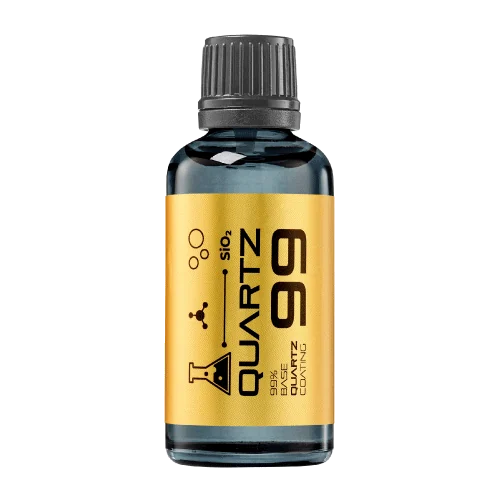 QUARTZ99 / CERAMIC BASE COAT
The foundation of your coating system.
A layerable quartz base coat designed for mechanical protection. Pair it with a suitable top coat to create the final finish.
For application by NANOLAB certified installers only.
Extended working time. A coating for the way you work.
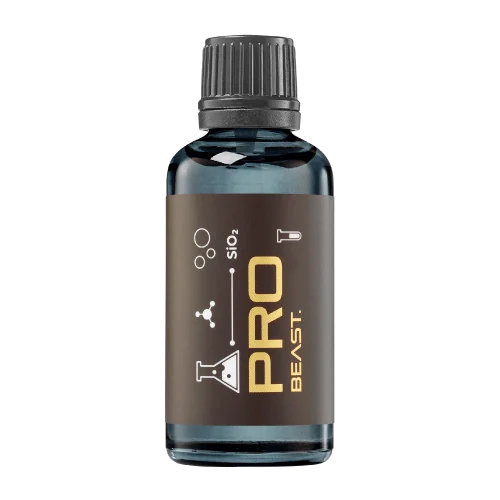
 P5012MATRIX PRORefined protection for glossy finishes.Application1/10Discover P503GMATRIX GRAPHENEVersatile protection for gloss and matte finishes.Application1/10Discover P303MATRIX LITEFor efficient, high-volume detailing.Application1/10Discover
 Explore the BEAST family of ceramic coatings.
Find the coating for each exterior surface.
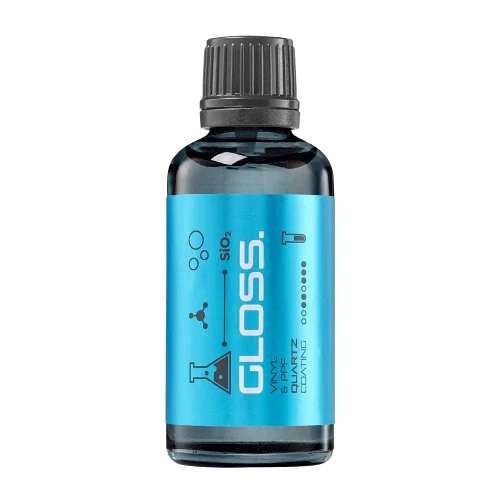 PPF & VINYLGLOSSProtection for glossy films and wraps.Application3/10Discover
 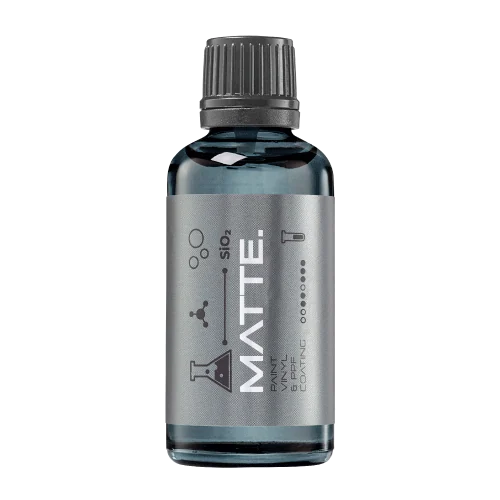 MATTE & SATINMATTEProtection that respects the finish.Application3/10Discover
 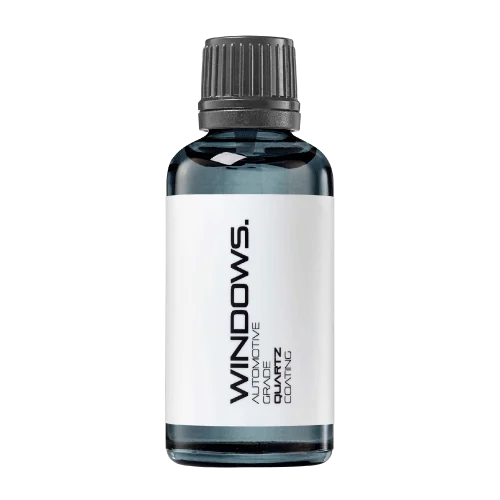 GLASSWINDOWSExplore dedicated glass protection.Application3/10Discover
 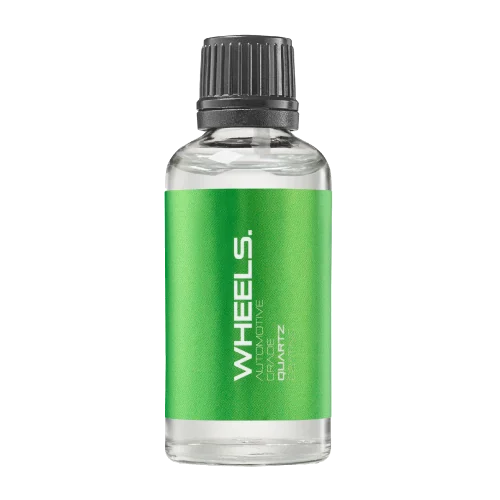 WHEEL PROTECTIONWHEELSA dedicated coating for your wheels.Application2/10Discover
 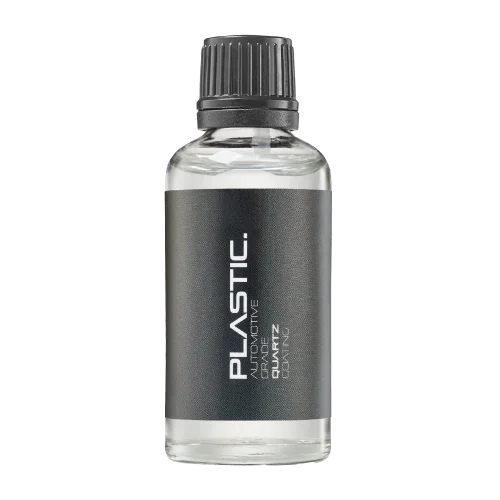 TRIM PROTECTIONPLASTICProtection for plastic surfaces.Application2/10Discover
 Dedicated care for the surfaces inside.
 LEATHER SURFACESLEATHERDiscover NANOLAB leather protection.Application5/10Discover PLASTIC SURFACESPLASTICProtection for interior plastic surfaces.Application2/10Discover TEXTILE SURFACESFABRICExplore the latest fabric formulation.Application2/10Discover
 Spray protection, maintenance and upcoming wash products.
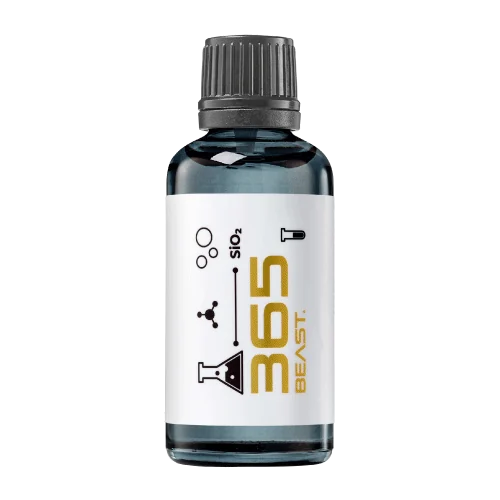 MAINTENANCEBEAST 365Explore the BEAST maintenance range.Application4/10Discover
 Next in washing, cleaning & care.
Ceramic protection for boats and yachts.
An easy-to-apply ceramic coating with an established track record on boats and yachts around the world.
Results vary with surface preparation, exposure and maintenance.
Read 50 MARINE guides →Explore MARINE Application4/10Protection for the surfaces you live with.
A look at what we’re developing.
The next flagship of the MATRIX series.
From cutting and one-step correction to final finishing.
A wider range for professional vehicle care.
Taking shape alongside BEAST & MATRIX.
Practical guidance for your next coating project.
Explore all guides →
Map sample approval, artwork, packaging, production and delivery dependencies before setting a private label coating launch date.
Updated · NANOLAB Knowledge

A ceramic coating launch date depends on more than the time spent manufacturing liquid. Samples, artwork, packaging availability, approvals and delivery each create a dependency. Build the schedule backwards from the date stock must be ready for customers, then confirm the assumptions with the supplier.
A lead-time estimate may begin after an order is accepted, after payment, after artwork approval or after all components are available. These are different starting points. Ask the manufacturer to state the start condition for each estimate and which activities can proceed at the same time.
For example, bottle selection and draft artwork may progress together, but final printing should use approved dimensions and wording. Producing labels while the bottle shape is still undecided can create avoidable rework.
Use the launch readiness checklist as a separate gate. A planned date is not evidence that all gates have passed.
The first label proof may reveal small text, a poor fit or a missing instruction. A sample trial may uncover a handling issue. Rather than hiding these possibilities in an optimistic date, identify where a correction would affect later tasks. Do not publish a fixed delivery promise based only on an early production estimate.
A useful internal schedule has an owner, due date, prerequisite and current status for every major task. “Awaiting approval” should name the person and the item awaiting approval; otherwise the delay is difficult to resolve.
Changing pack size, quantity or formula can change the schedule. Record the revised scope and ask for a revised estimate. Keep a distinction between the target launch date and the supplier’s confirmed commitment.
Discuss the complete sequence with NANOLAB’s private label team. For repeat supply, connect the schedule to reorder planning so that a successful launch does not immediately turn into a stock gap.
Check product approval, packaging, instructions, stock readiness and support before launching a private label ceramic coating range.

Plan private label coating replenishment using usable stock, demand, confirmed lead times and packaging readiness.

 Managing Formula Changes in a Private Label Coating Range