





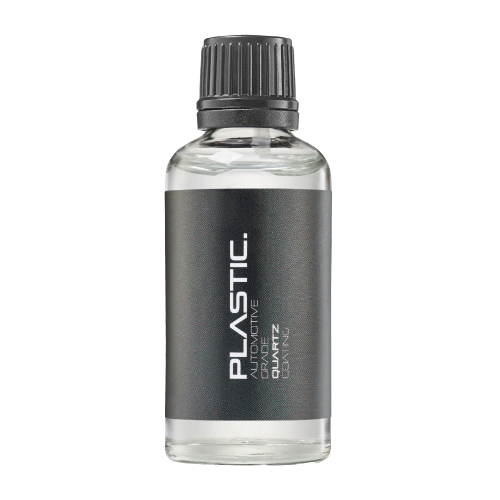

Planning Repeat Orders for a Private Label Coating Range
Plan private label coating replenishment using usable stock, demand, confirmed lead times and packaging readiness.
Updated · NANOLAB Knowledge
Repeat ordering becomes unreliable when a brand tracks only the number of bottles on a shelf. Stock awaiting inspection, reserved customer orders and obsolete labels can all make the visible quantity larger than the quantity available to sell.
Start with usable inventory
Separate approved finished stock from samples, held units and damaged packaging. Keep batch references and storage information attached to the stock record. Review the current product instructions before treating older units as interchangeable with new deliveries.
Measure demand by product and pack size. A total monthly sales figure can hide a shortage of the main coating while slower items occupy most of the shelf space.
Build the reorder decision around confirmed inputs
Use expected demand during the confirmed replenishment period, then add a buffer appropriate to demand variability. This is a planning method, not a promise that every order will have the same lead time. Confirm production, artwork and shipment arrangements for the actual order.
- Check whether the approved label revision is ready.
- Identify promotions or distributor orders that alter normal demand.
- Confirm available pack configurations before committing downstream.
- Review storage capacity before increasing order size.
Reassess after each delivery
Compare planned demand with actual use and record the reasons for differences. If a new product attracts questions but few repeat orders, resolve its positioning or support needs before simply increasing stock.
Share a clear forecast and product references through NANOLAB Private Label. Coordinate it with the first product range plan so replenishment follows real product roles rather than an arbitrary equal quantity of every bottle.