
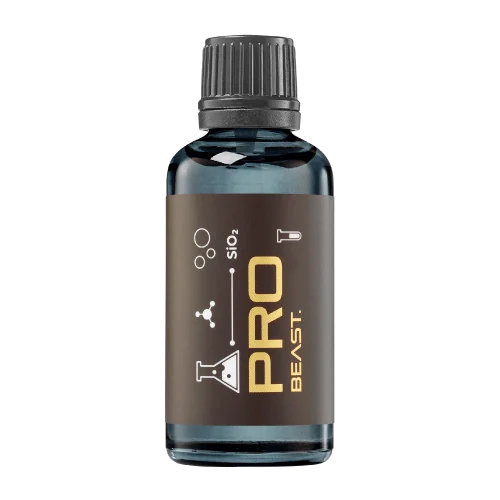
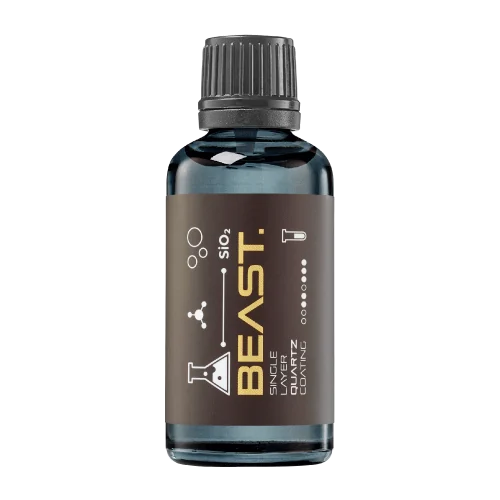
IN DEVELOPMENT / MATRIX SERIES
MATRIX ELITE P7020
The next flagship of the MATRIX series.
75%Solids content
Specialist chemistry. Expert application.
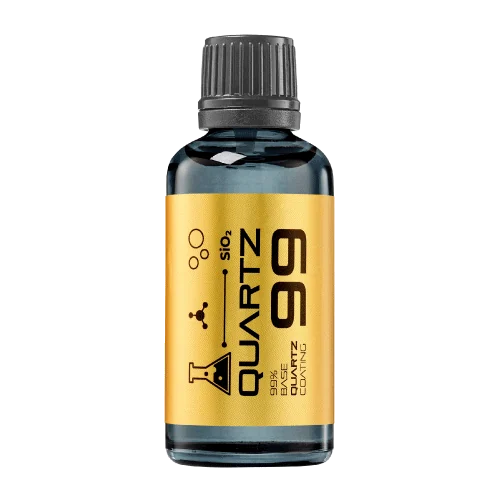 QUARTZ99 / CERAMIC BASE COAT
The foundation of your coating system.
A layerable quartz base coat designed for mechanical protection. Pair it with a suitable top coat to create the final finish.
For application by NANOLAB certified installers only.
Extended working time. A coating for the way you work.
 P5012MATRIX PRORefined protection for glossy finishes.Application1/10Discover P503GMATRIX GRAPHENEVersatile protection for gloss and matte finishes.Application1/10Discover P303MATRIX LITEFor efficient, high-volume detailing.Application1/10Discover
 Explore the BEAST family of ceramic coatings.
Find the coating for each exterior surface.
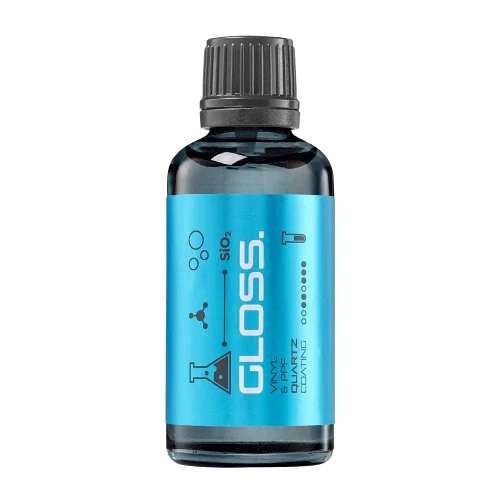 PPF & VINYLGLOSSProtection for glossy films and wraps.Application3/10Discover
 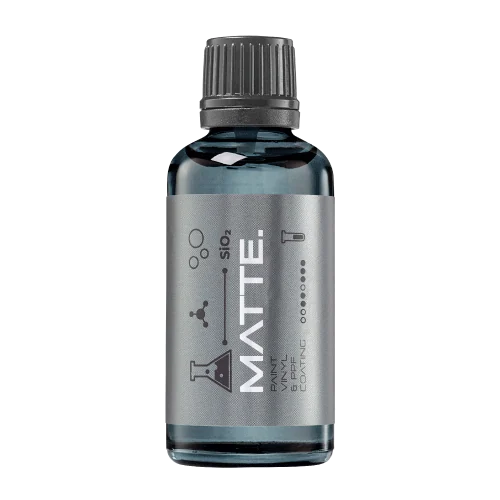 MATTE & SATINMATTEProtection that respects the finish.Application3/10Discover
 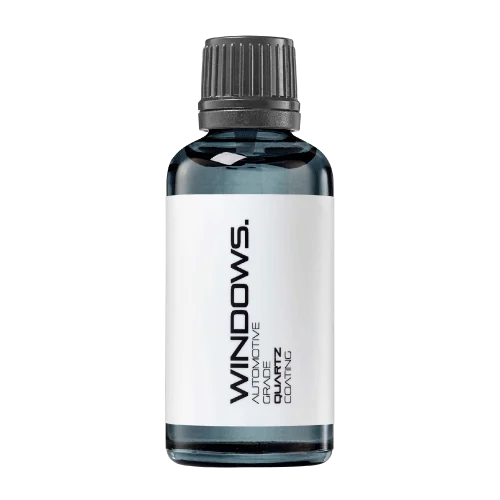 GLASSWINDOWSExplore dedicated glass protection.Application3/10Discover
 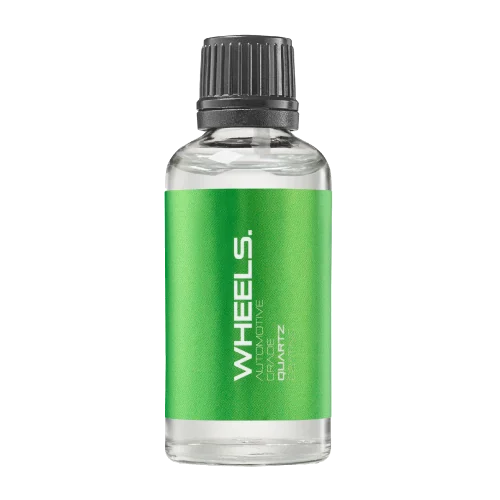 WHEEL PROTECTIONWHEELSA dedicated coating for your wheels.Application2/10Discover
 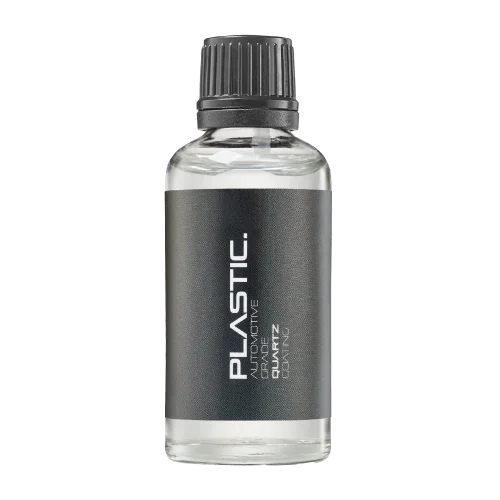 TRIM PROTECTIONPLASTICProtection for plastic surfaces.Application2/10Discover
 Dedicated care for the surfaces inside.
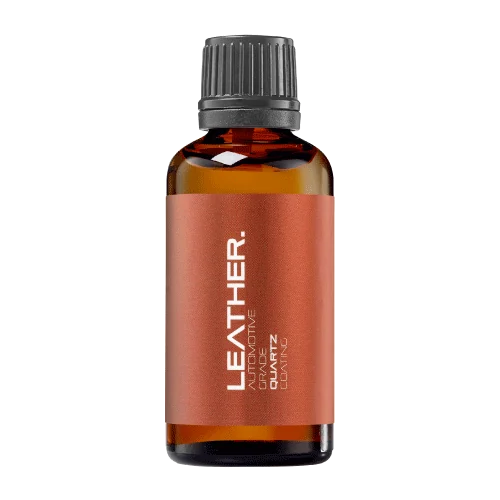 LEATHER SURFACESLEATHERDiscover NANOLAB leather protection.Application5/10Discover PLASTIC SURFACESPLASTICProtection for interior plastic surfaces.Application2/10Discover TEXTILE SURFACESFABRICExplore the latest fabric formulation.Application2/10Discover
 Spray protection, maintenance and upcoming wash products.
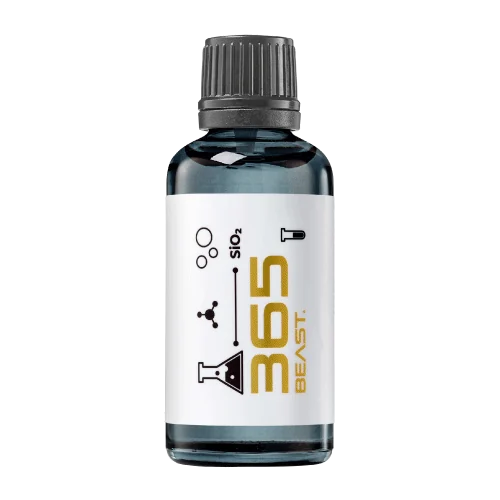 MAINTENANCEBEAST 365Explore the BEAST maintenance range.Application4/10Discover
 Next in washing, cleaning & care.
Ceramic protection for boats and yachts.
An easy-to-apply ceramic coating with an established track record on boats and yachts around the world.
Results vary with surface preparation, exposure and maintenance.
Read 50 MARINE guides →Explore MARINE Application4/10Protection for the surfaces you live with.
A look at what we’re developing.
The next flagship of the MATRIX series.
From cutting and one-step correction to final finishing.
A wider range for professional vehicle care.
Taking shape alongside BEAST & MATRIX.
Practical guidance for your next coating project.
Explore all guides →
Plan what to retain, how to identify it and when to compare it so coating quality questions can be investigated with useful evidence.
Updated · NANOLAB Knowledge
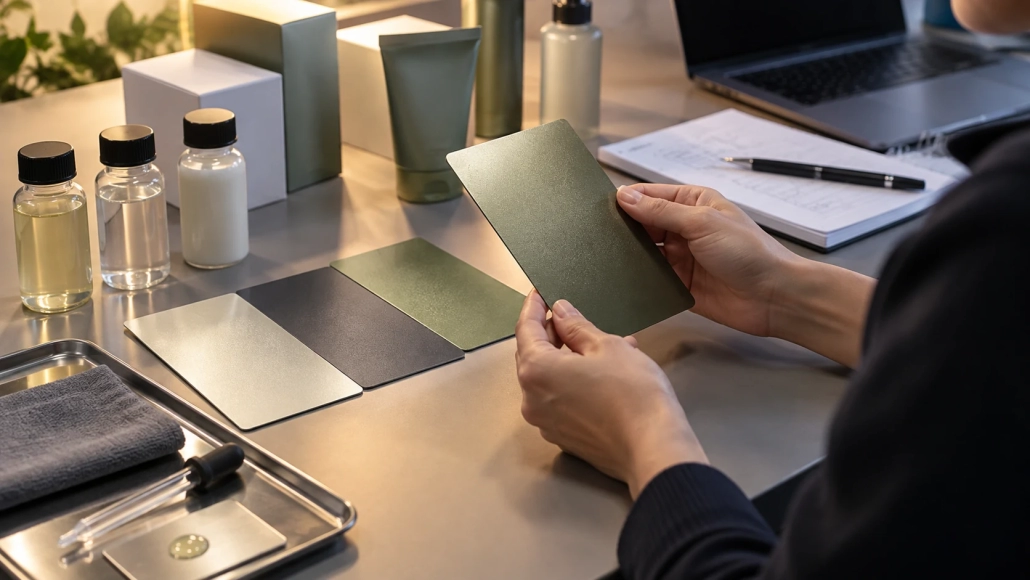
A retained sample is useful only when its identity and history are clear. A spare bottle in a cupboard may be convenient, but it becomes weak evidence if nobody knows the batch, opening date or storage conditions. Establish the purpose of retention before choosing what to keep.
An approval sample documents the product accepted during development. A production sample represents a particular manufactured batch. They answer related but different questions. The first helps identify the agreed target; the second helps investigate a specific supply event.
Agree the retention approach with the manufacturer rather than assuming every party keeps the same material. Record who holds each sample, where it is stored and how long it remains appropriate to keep under the product’s requirements.
Include product and batch references, receipt date, storage instructions, opening history and the reason for retention. Keep the sample’s documentation revision with the record. If a container has been opened for a trial, record that fact rather than presenting it later as untouched stock.
The sample approval record can establish the initial reference. Add later production references without replacing the original approval history.
When a concern arises, first identify the customer’s product version and conditions of use. Check whether the retained sample is still representative and suitable for evaluation. Compare products only using an appropriate, documented method; different preparation, surface or opening history can invalidate a simple side-by-side impression.
Do not conclude that a batch is defective because an old, repeatedly opened retained bottle behaves differently. Equally, a good retained sample does not by itself rule out transport damage, a closure issue or an isolated filling concern.
A practical record connects sample identity, batch release, recipient orders and any investigation. Limit access to the people responsible for handling it, and follow the current safety and storage instructions for the product. Disposal decisions should follow the applicable product guidance and local requirements.
For a NANOLAB private label programme, confirm the retention responsibilities during the supply discussion. Link them to storage and traceability so that a sample can support a clear question instead of becoming an unidentified leftover.
Create a clear private label sample approval record linking the selected coating, test conditions, packaging and unresolved questions.
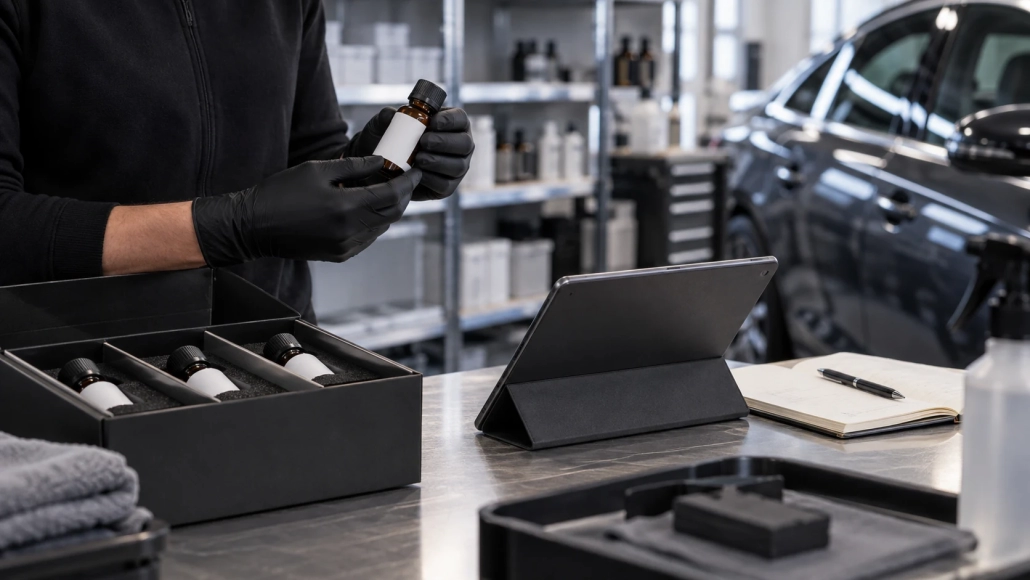
Track product identity, batch, opening date and storage history so installers can make reliable decisions before applying a coating.

 Building a Batch Traceability Record for Coating Distribution