
IN DEVELOPMENT / MATRIX SERIES
MATRIX ELITE P7020
The next flagship of the MATRIX series.
75%Solids content
Specialist chemistry. Expert application.
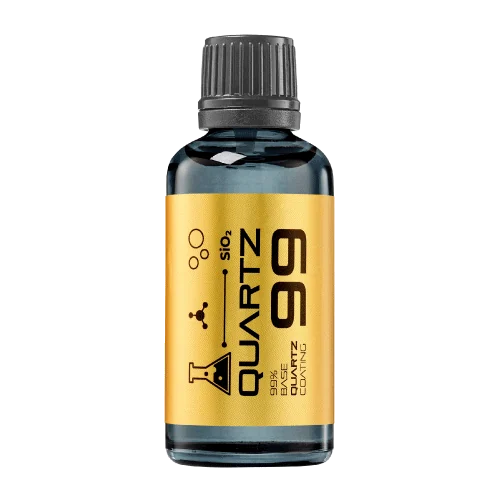 QUARTZ99 / CERAMIC BASE COAT
The foundation of your coating system.
A layerable quartz base coat designed for mechanical protection. Pair it with a suitable top coat to create the final finish.
For application by NANOLAB certified installers only.
Extended working time. A coating for the way you work.
 P5012MATRIX PRORefined protection for glossy finishes.Application1/10Discover P503GMATRIX GRAPHENEVersatile protection for gloss and matte finishes.Application1/10Discover P303MATRIX LITEFor efficient, high-volume detailing.Application1/10Discover
 Explore the BEAST family of ceramic coatings.
Find the coating for each exterior surface.
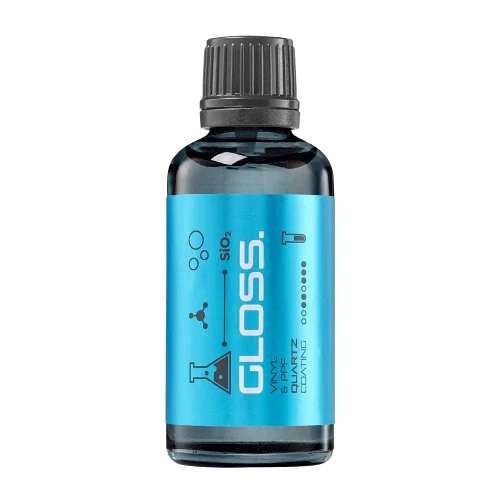 PPF & VINYLGLOSSProtection for glossy films and wraps.Application3/10Discover
 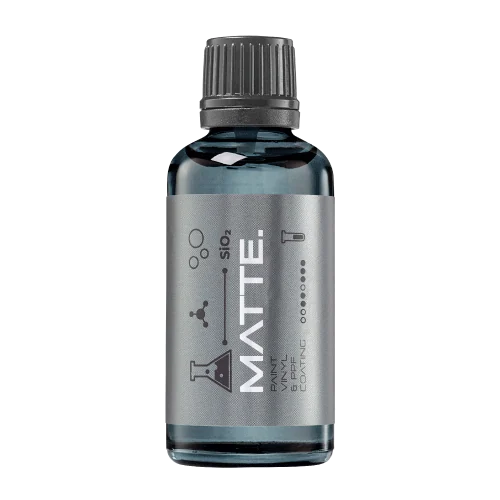 MATTE & SATINMATTEProtection that respects the finish.Application3/10Discover
 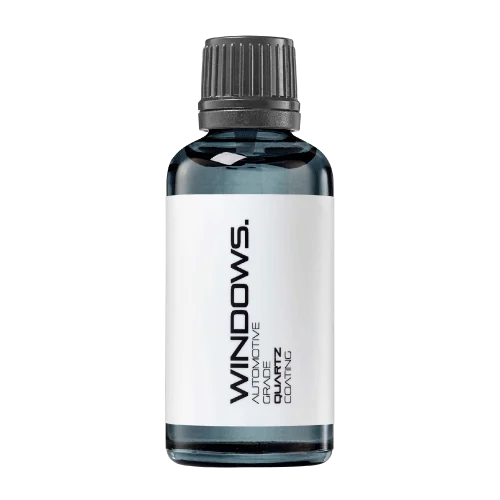 GLASSWINDOWSExplore dedicated glass protection.Application3/10Discover
 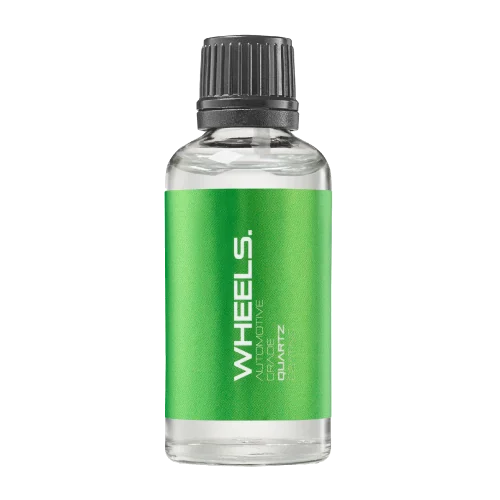 WHEEL PROTECTIONWHEELSA dedicated coating for your wheels.Application2/10Discover
 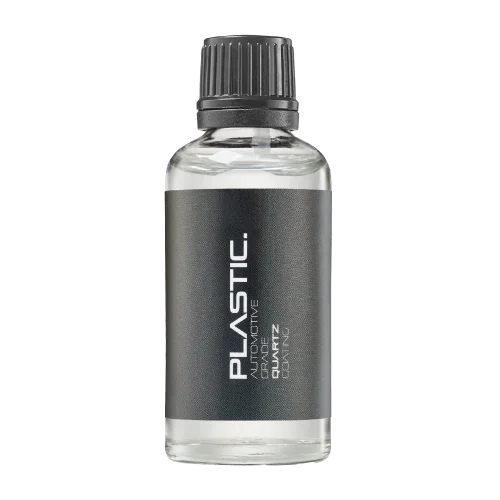 TRIM PROTECTIONPLASTICProtection for plastic surfaces.Application2/10Discover
 Dedicated care for the surfaces inside.
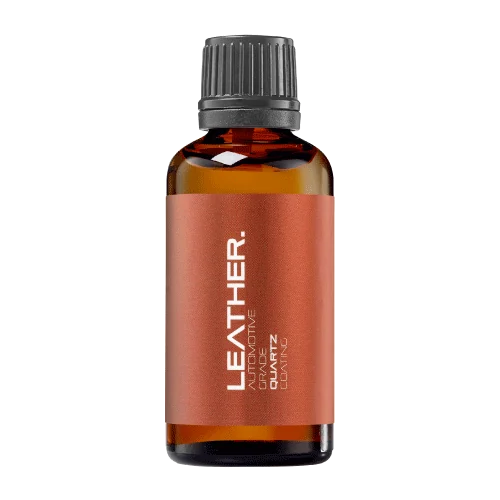 LEATHER SURFACESLEATHERDiscover NANOLAB leather protection.Application5/10Discover PLASTIC SURFACESPLASTICProtection for interior plastic surfaces.Application2/10Discover TEXTILE SURFACESFABRICExplore the latest fabric formulation.Application2/10Discover
 Spray protection, maintenance and upcoming wash products.
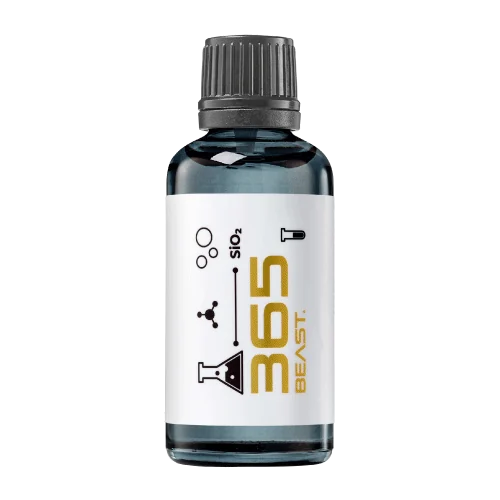 MAINTENANCEBEAST 365Explore the BEAST maintenance range.Application4/10Discover
 Next in washing, cleaning & care.
Ceramic protection for boats and yachts.
An easy-to-apply ceramic coating with an established track record on boats and yachts around the world.
Results vary with surface preparation, exposure and maintenance.
Read 50 MARINE guides →Explore MARINE Application4/10Protection for the surfaces you live with.
A look at what we’re developing.
The next flagship of the MATRIX series.
From cutting and one-step correction to final finishing.
A wider range for professional vehicle care.
Taking shape alongside BEAST & MATRIX.
Practical guidance for your next coating project.
Explore all guides →
Design a coating field trial with recorded vehicles, use patterns, care routines and inspection points that produce interpretable feedback.
Updated · NANOLAB Knowledge
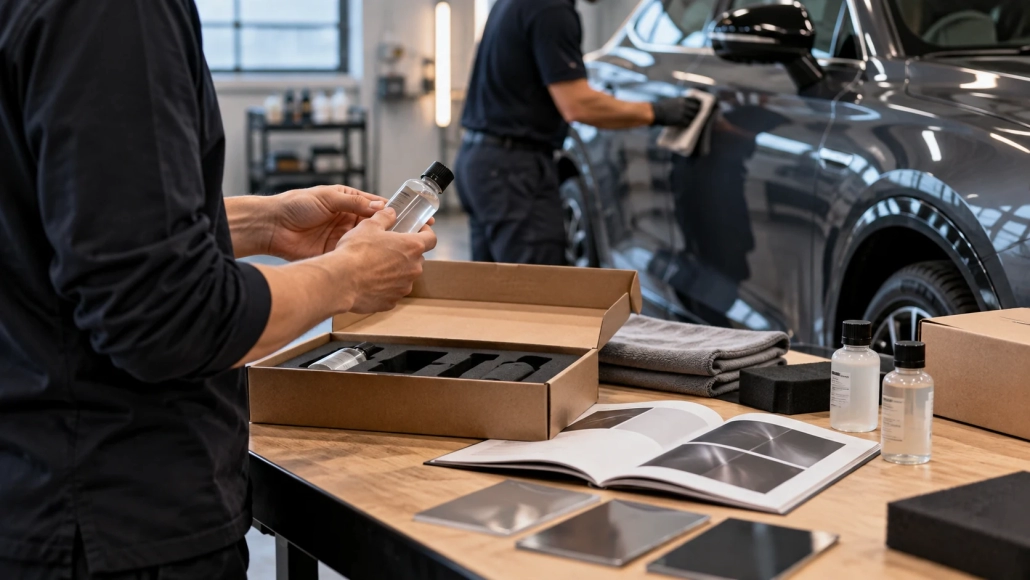
A field trial shows how a coating programme works outside a demonstration bay. Vehicles experience different parking, washing and driving conditions, so the record needs to capture those differences. Without that context, a later photograph of poor beading can be difficult to interpret.
Choose a specific objective: whether instructions are easy to follow, whether an aftercare routine is practical, or how the finish behaves under a documented use pattern. Avoid a trial that tries to prove every marketing claim at once.
Identify the approved formula and the intended surfaces. Establish a baseline after correct preparation and application. The pilot installation guide covers the launch process; the field trial continues the observation into normal use.
Record the surface, existing condition, parking arrangement and expected use. A frequently washed garage-kept vehicle and an outdoor commuter provide different information. Do not combine their results into one average without explaining the difference.
Agree a maintenance routine and record deviations. If a vehicle receives an additional protection product, note the date and product type; later water behaviour may reflect that treatment as well as the original coating.
Use the same inspection locations and similar lighting where practical. Record dry appearance, contamination, washing observations and any visible defects. Water behaviour should be assessed only under appropriate conditions and after noting recent washing or maintenance treatments.
The maintenance log provides a useful structure for this ongoing history.
A small field trial can identify usability problems and useful support questions. It does not automatically justify a universal service-life promise across climates and care routines. Report what was observed, for how long and under which conditions.
Share the findings through NANOLAB’s private label programme with the sample and batch references. Specific records make it easier to distinguish a product question from a preparation, application or maintenance issue.
Validate a private label coating offer through representative pilot installations that test instructions, packaging and customer handover.
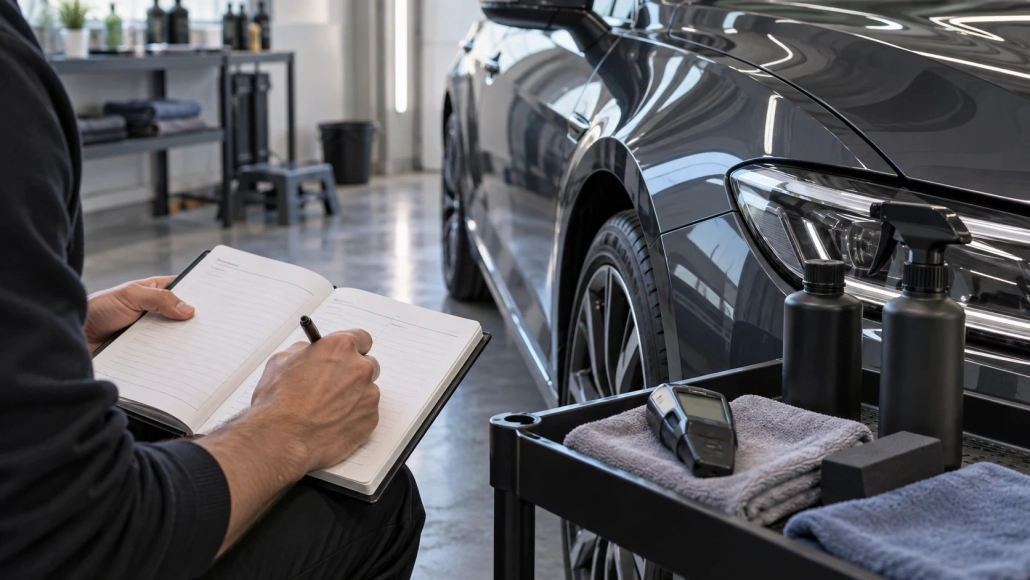
Record washes, contamination events and maintenance treatments so changes in a coated surface can be assessed with useful context.

 Building an Evidence File for Ceramic Coating Claims