
IN DEVELOPMENT / MATRIX SERIES
MATRIX ELITE P7020
The next flagship of the MATRIX series.
75%Solids content
Specialist chemistry. Expert application.
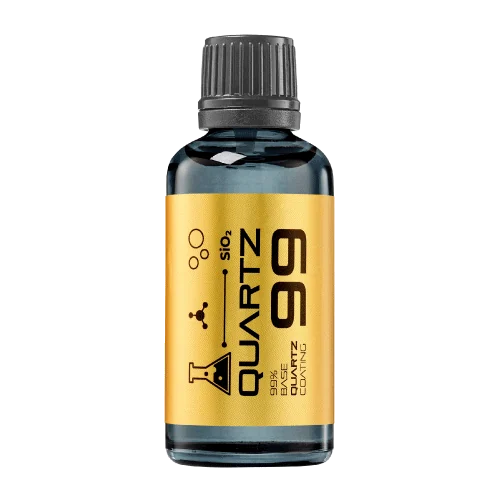 QUARTZ99 / CERAMIC BASE COAT
The foundation of your coating system.
A layerable quartz base coat designed for mechanical protection. Pair it with a suitable top coat to create the final finish.
For application by NANOLAB certified installers only.
Extended working time. A coating for the way you work.
 P5012MATRIX PRORefined protection for glossy finishes.Application1/10Discover P503GMATRIX GRAPHENEVersatile protection for gloss and matte finishes.Application1/10Discover P303MATRIX LITEFor efficient, high-volume detailing.Application1/10Discover
 Explore the BEAST family of ceramic coatings.
Find the coating for each exterior surface.
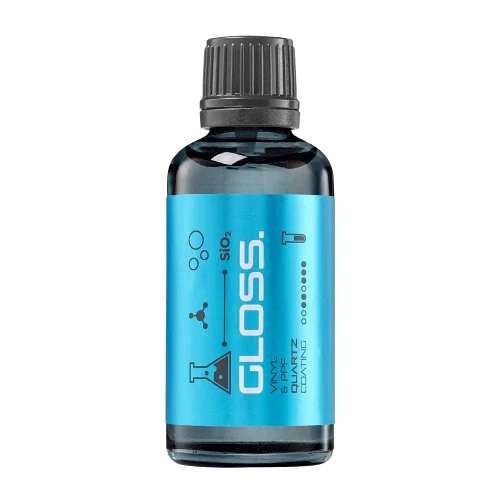 PPF & VINYLGLOSSProtection for glossy films and wraps.Application3/10Discover
 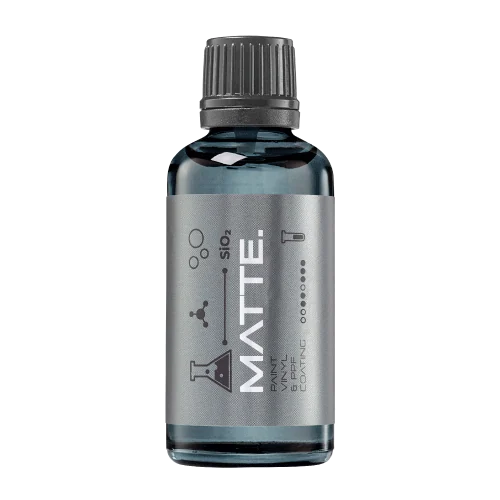 MATTE & SATINMATTEProtection that respects the finish.Application3/10Discover
 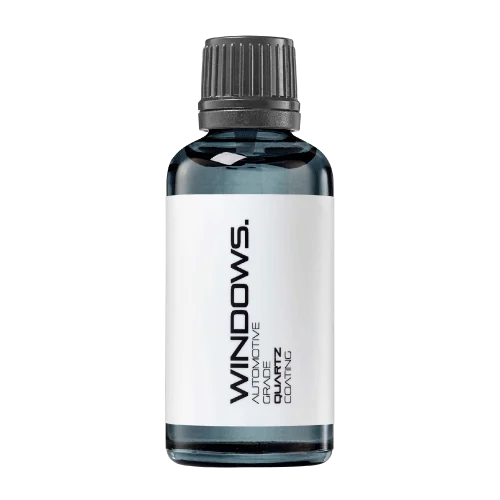 GLASSWINDOWSExplore dedicated glass protection.Application3/10Discover
 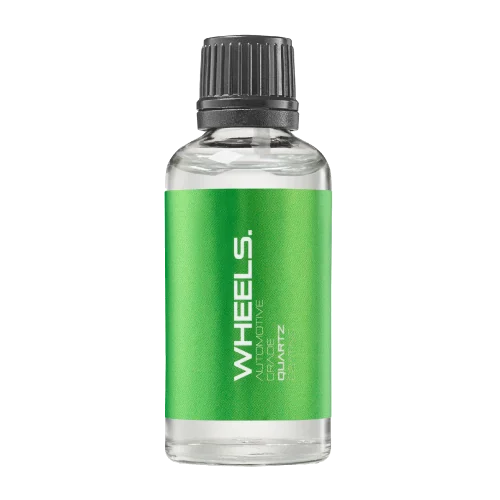 WHEEL PROTECTIONWHEELSA dedicated coating for your wheels.Application2/10Discover
 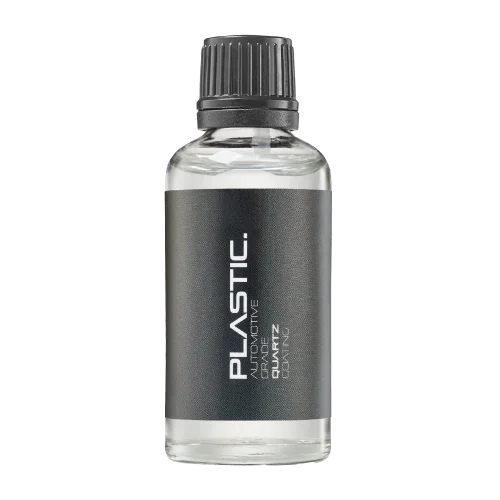 TRIM PROTECTIONPLASTICProtection for plastic surfaces.Application2/10Discover
 Dedicated care for the surfaces inside.
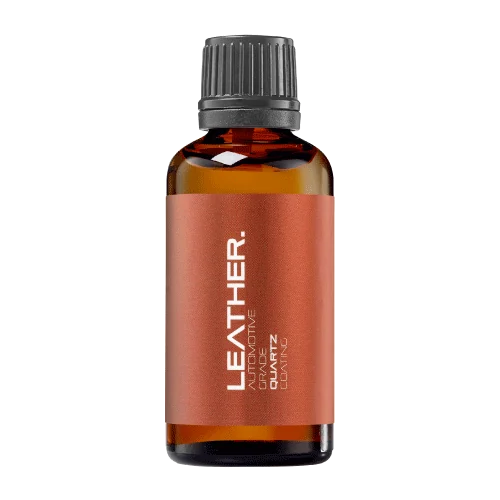 LEATHER SURFACESLEATHERDiscover NANOLAB leather protection.Application5/10Discover PLASTIC SURFACESPLASTICProtection for interior plastic surfaces.Application2/10Discover TEXTILE SURFACESFABRICExplore the latest fabric formulation.Application2/10Discover
 Spray protection, maintenance and upcoming wash products.
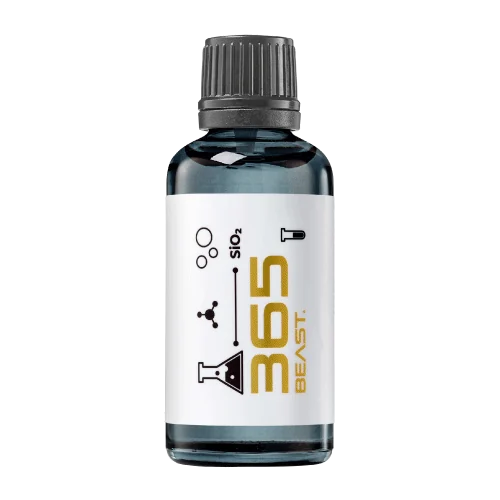 MAINTENANCEBEAST 365Explore the BEAST maintenance range.Application4/10Discover
 Next in washing, cleaning & care.
Ceramic protection for boats and yachts.
An easy-to-apply ceramic coating with an established track record on boats and yachts around the world.
Results vary with surface preparation, exposure and maintenance.
Read 50 MARINE guides →Explore MARINE Application4/10Protection for the surfaces you live with.
A look at what we’re developing.
The next flagship of the MATRIX series.
From cutting and one-step correction to final finishing.
A wider range for professional vehicle care.
Taking shape alongside BEAST & MATRIX.
Practical guidance for your next coating project.
Explore all guides →
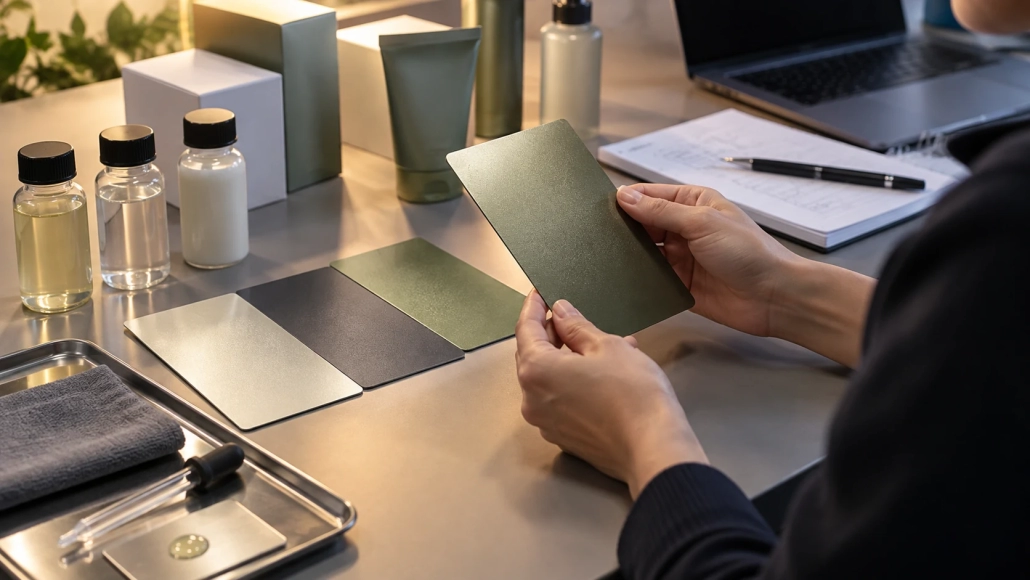
Reduce label bias in coating trials with coded samples, consistent preparation and separate records for application and finish.
Updated · NANOLAB Knowledge
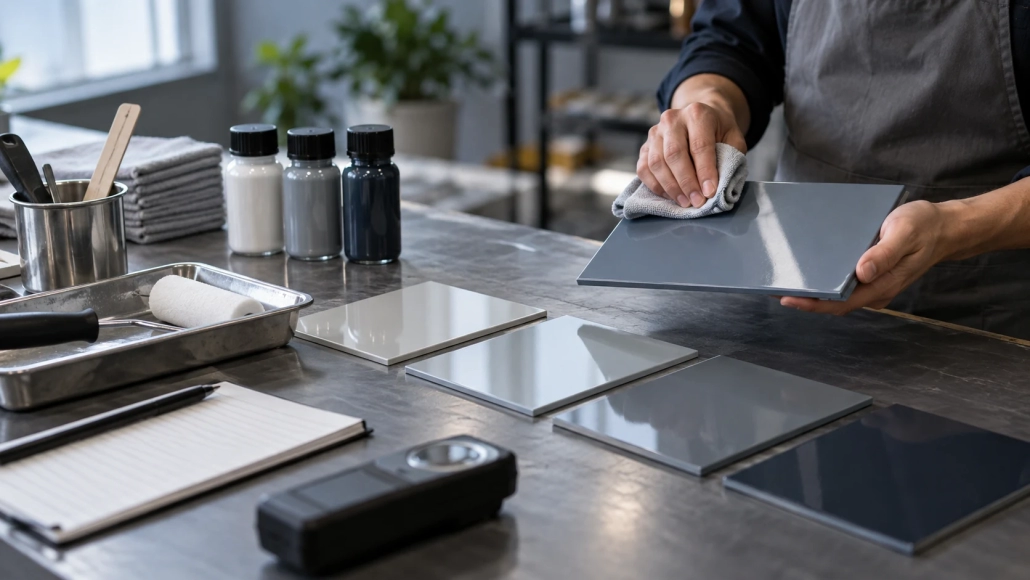
A blind comparison can help evaluators focus on how ceramic coating samples behave rather than on the name on the bottle. It does not turn a workshop trial into a laboratory certification. Its value is a clearer decision about usability and appearance under recorded conditions.
Assign a neutral code to each sample and keep the identity key with the person coordinating the test. Applicators still need the correct safety information and product-specific instructions. Blinding should never hide information needed to handle a product safely or apply it correctly.
Do not decant coatings into unsuitable containers just to conceal a label. Agree a practical coding method that preserves the original packaging and traceability.
Use comparable surfaces, preparation and inspection lighting. Record the substrate, preparation products, application conditions and the timing required by each formula. If one product requires a different method, follow that method and record the difference rather than forcing both through an inappropriate identical procedure.
Build the trial around the sample evaluation scorecard. Score application effort, residue visibility, levelling and appearance separately. Ask evaluators to write observations before discussing preferences with the group.
A striking water-beading photograph can dominate a discussion even when it says little about the installer’s workload. Inspect the dry finish and record any difficulties before a water demonstration is considered. Respect the product’s curing and water-exposure requirements.
For a practical example, two coded samples may produce similarly clear finishes while one requires more careful levelling in your permitted workshop conditions. That difference may matter to the intended user even if a photograph cannot show it.
Compare the results against your requirements, not against a preferred story about ingredients. Record disagreements and arrange a repeat test where the evidence is inconsistent. A single evaluator’s preference should not silently become a universal performance claim.
Keep the trial record with the sample approval decision. Share the specific findings with NANOLAB so that the next discussion addresses actual application needs rather than an unexplained ranking of samples.
Compare private label coating samples using consistent preparation, application notes, finish checks and aftercare observations.
Create a clear private label sample approval record linking the selected coating, test conditions, packaging and unresolved questions.

 Planning a Real-World Field Trial for Ceramic Coatings