
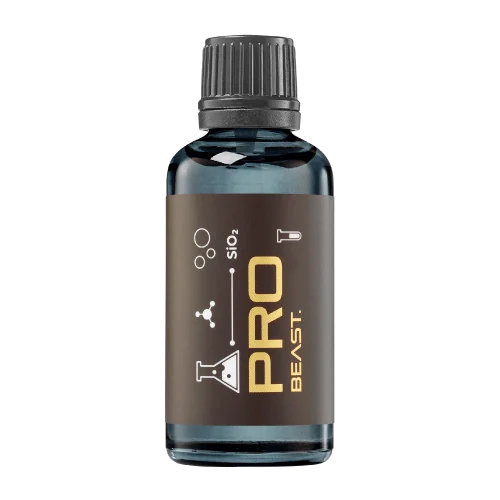
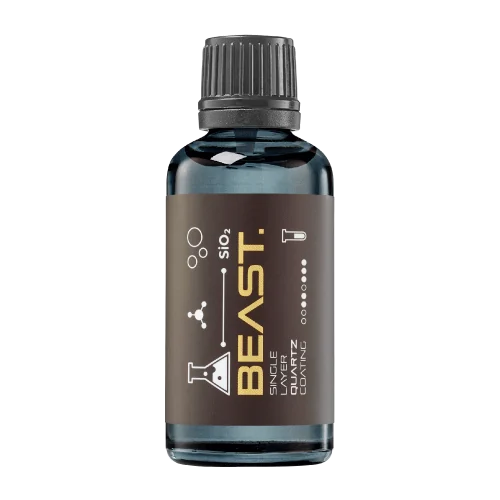
IN DEVELOPMENT / MATRIX SERIES
MATRIX ELITE P7020
The next flagship of the MATRIX series.
75%Solids content
Specialist chemistry. Expert application.
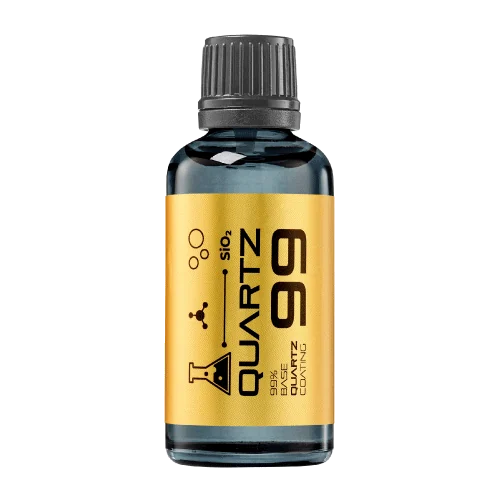 QUARTZ99 / CERAMIC BASE COAT
The foundation of your coating system.
A layerable quartz base coat designed for mechanical protection. Pair it with a suitable top coat to create the final finish.
For application by NANOLAB certified installers only.
Extended working time. A coating for the way you work.
 P5012MATRIX PRORefined protection for glossy finishes.Application1/10Discover P503GMATRIX GRAPHENEVersatile protection for gloss and matte finishes.Application1/10Discover P303MATRIX LITEFor efficient, high-volume detailing.Application1/10Discover
 Explore the BEAST family of ceramic coatings.
Find the coating for each exterior surface.
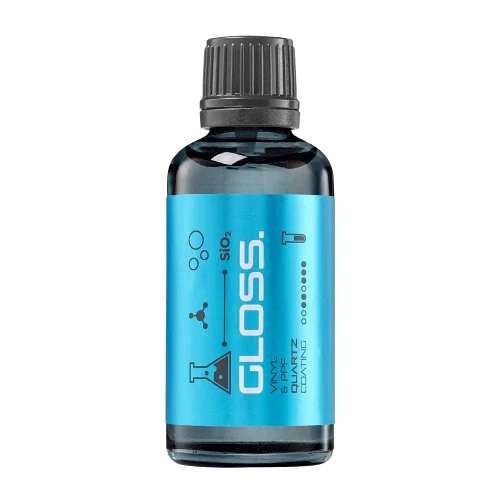 PPF & VINYLGLOSSProtection for glossy films and wraps.Application3/10Discover
 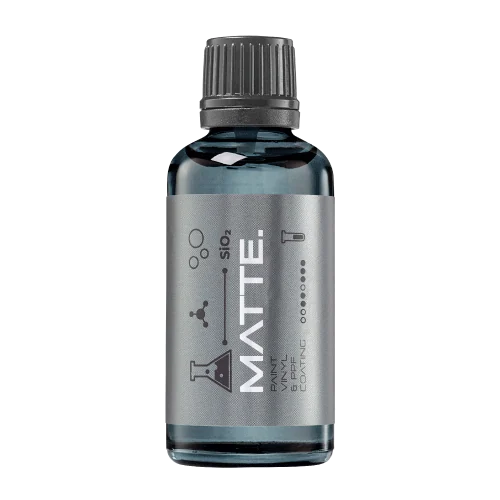 MATTE & SATINMATTEProtection that respects the finish.Application3/10Discover
 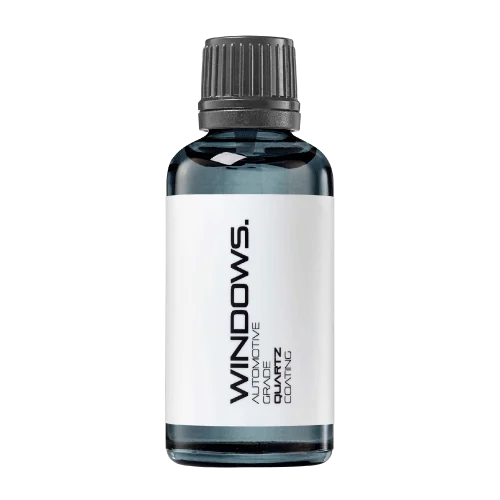 GLASSWINDOWSExplore dedicated glass protection.Application3/10Discover
 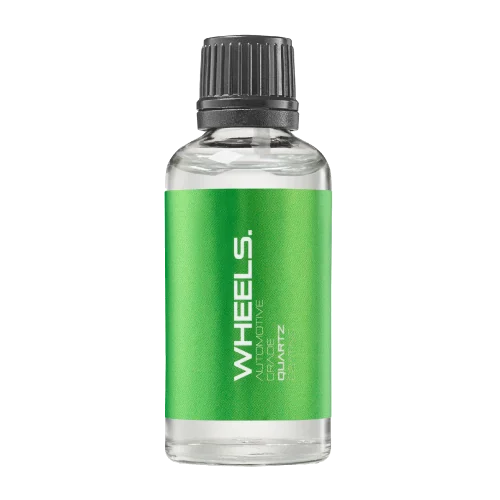 WHEEL PROTECTIONWHEELSA dedicated coating for your wheels.Application2/10Discover
 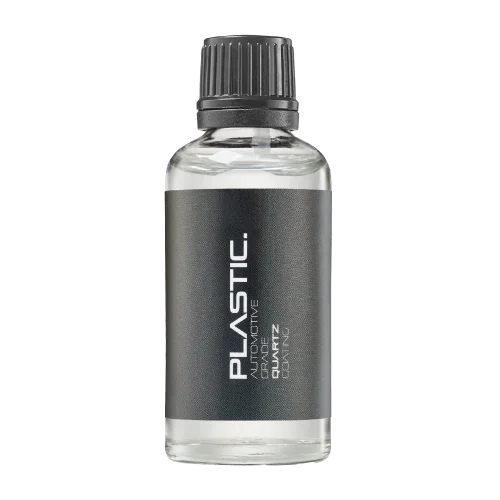 TRIM PROTECTIONPLASTICProtection for plastic surfaces.Application2/10Discover
 Dedicated care for the surfaces inside.
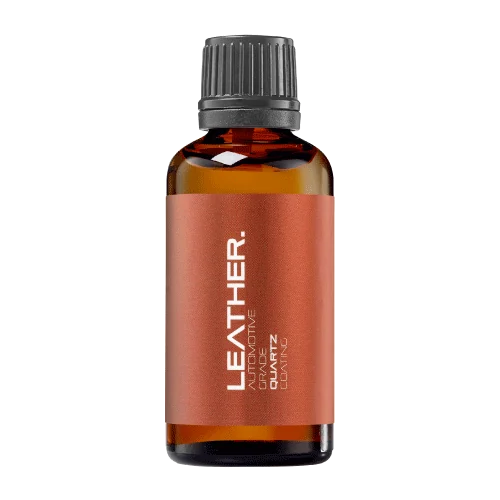 LEATHER SURFACESLEATHERDiscover NANOLAB leather protection.Application5/10Discover PLASTIC SURFACESPLASTICProtection for interior plastic surfaces.Application2/10Discover TEXTILE SURFACESFABRICExplore the latest fabric formulation.Application2/10Discover
 Spray protection, maintenance and upcoming wash products.
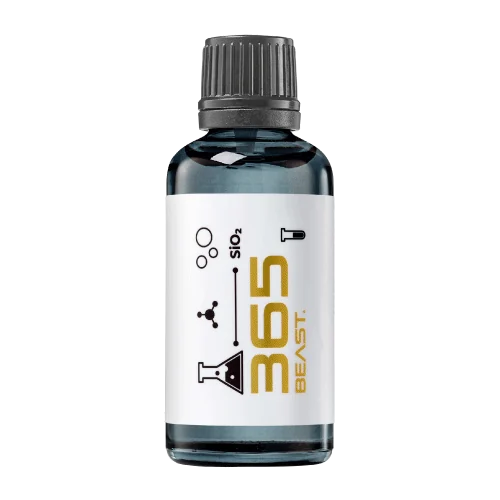 MAINTENANCEBEAST 365Explore the BEAST maintenance range.Application4/10Discover
 Next in washing, cleaning & care.
Ceramic protection for boats and yachts.
An easy-to-apply ceramic coating with an established track record on boats and yachts around the world.
Results vary with surface preparation, exposure and maintenance.
Read 50 MARINE guides →Explore MARINE Application4/10Protection for the surfaces you live with.
A look at what we’re developing.
The next flagship of the MATRIX series.
From cutting and one-step correction to final finishing.
A wider range for professional vehicle care.
Taking shape alongside BEAST & MATRIX.
Practical guidance for your next coating project.
Explore all guides →
Check air cleanliness, hose handling and drying order before using a blower around coated paint, mirrors and trim.
Updated · NANOLAB Knowledge
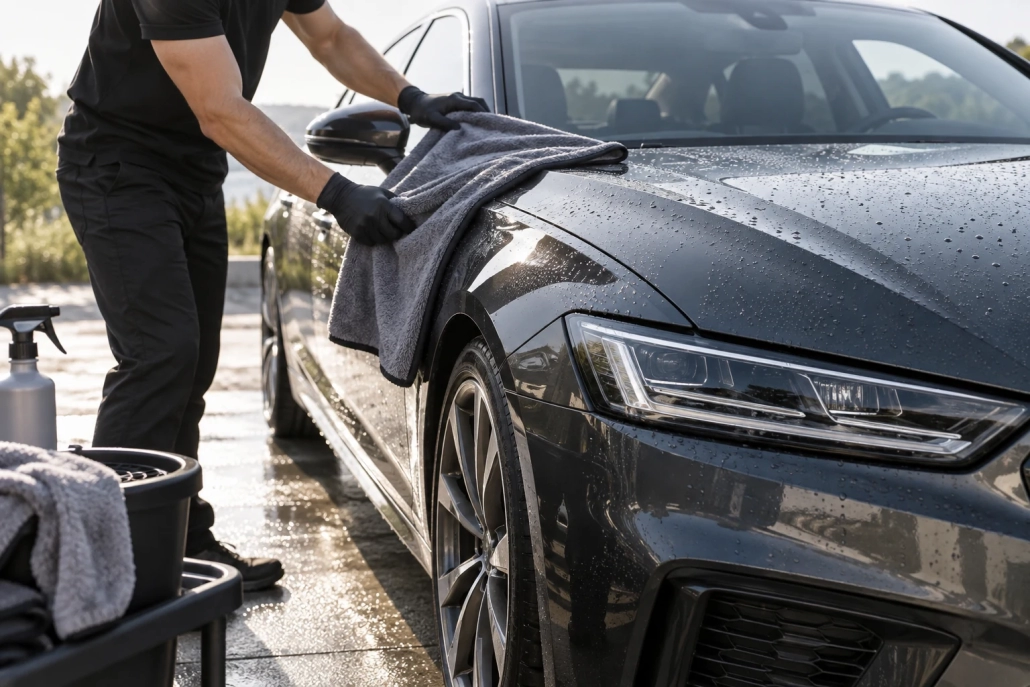
A suitable car-drying blower can help remove water from seams and awkward areas after washing. Its usefulness depends on setup and technique: contaminated air, a dirty nozzle or careless hose handling can undermine the wash. Use equipment intended for the task and follow its operating instructions.
Check the air intake, filter where fitted, hose and nozzle. Keep the intake away from loose dust and debris. Confirm that the nozzle is clean and secure, and arrange the hose so it will not drag against the vehicle or pull the machine into it.
The coating workstation checklist can be adapted for a wash bay. Electrical equipment and its supply must be suitable for the intended environment and used according to its instructions.
A blower is a drying tool, not a substitute for removing dirt. Rinse the vehicle properly and check for wash solution trapped around trim. Blowing water across an incompletely cleaned surface can spread residue into areas that appeared finished.
Follow washing a ceramic-coated car before the drying stage. Use a method appropriate to the actual level of contamination rather than assuming the coating makes contact washing unnecessary.
Follow the equipment’s guidance for distance and airflow. Keep the nozzle clear of the finish and work systematically around mirrors, badges and accessible seams. Revisit areas that release water after an adjacent panel has been dried.
Avoid directing airflow into damaged seals, lifted film edges or sensitive openings. Do not use a generic air tool near an unfamiliar component without checking whether the vehicle and equipment instructions permit it.
Use a clean, suitable drying towel for remaining droplets when necessary. Inspect for drips after moving doors or mirrors only where it is safe to do so. Do not chase a perfect result by touching the nozzle to the paint or repeatedly wiping a dirty seam.
The drying a coated car guide provides the broader routine. Clean equipment and a sensible drying order matter more than using the strongest available airflow.
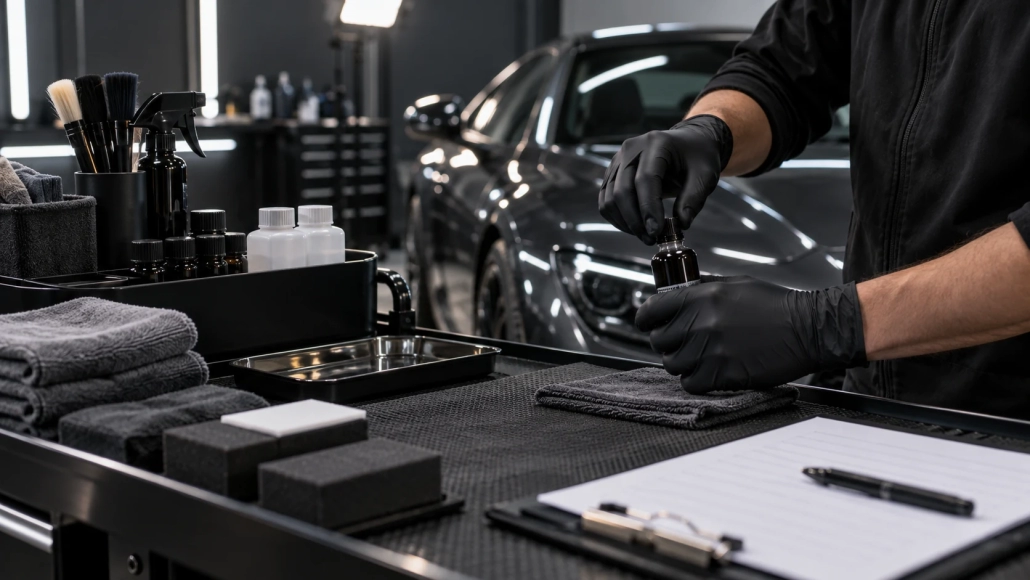
Organise products, tools, lighting and records before opening a coating bottle so the application can proceed without avoidable interruptions.
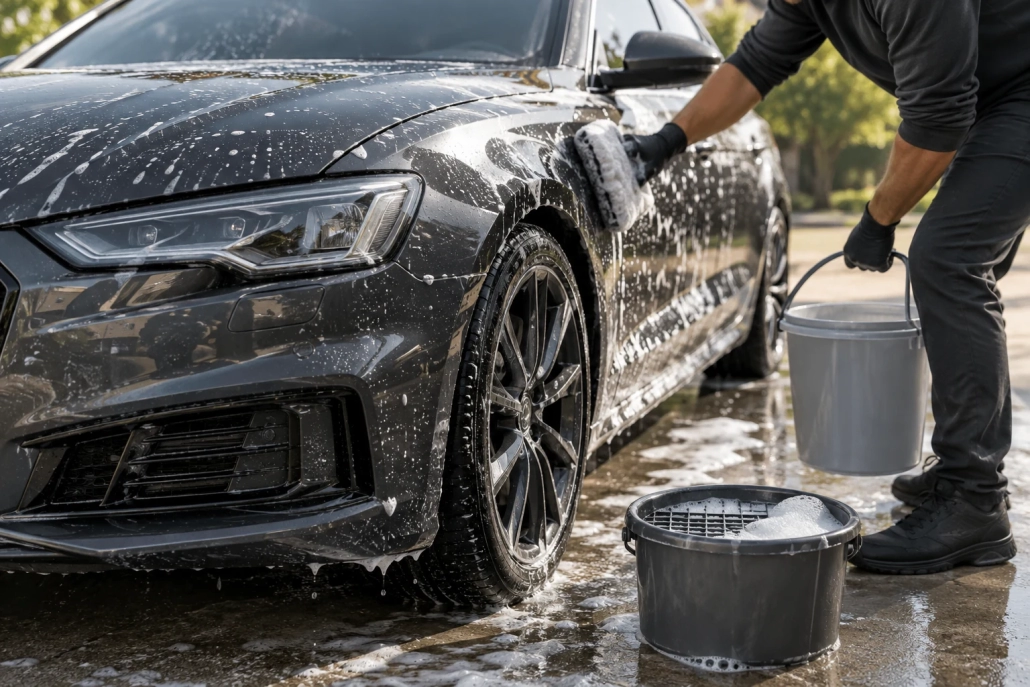
Build a gentle wash routine that removes loose grit before contact, keeps wheel tools separate and ends with careful rinsing and drying.
Reduce water spots and unnecessary contact by choosing clean drying tools and checking the places where retained water can escape later.

 Choosing Applicator Size and Shape for Coating Small Areas