






A full polishing range.
From cutting and one-step correction to final finishing.
Specialist chemistry. Expert application.
 QUARTZ99 / CERAMIC BASE COAT
The foundation of your coating system.
A layerable quartz base coat designed for mechanical protection. Pair it with a suitable top coat to create the final finish.
For application by NANOLAB certified installers only.
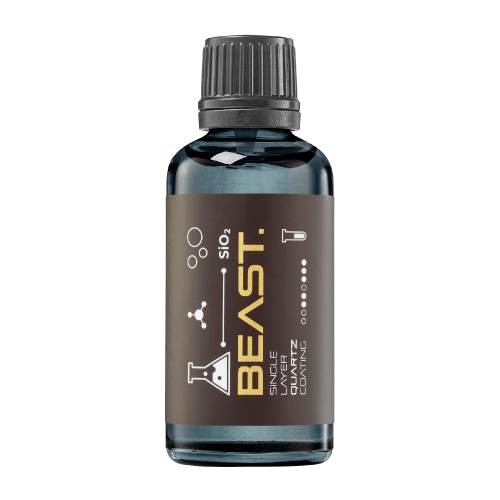
Four formulas. Extended working time. Find the coating for your finish.
Explore the BEAST family of ceramic coatings.
Find the coating for each exterior surface.
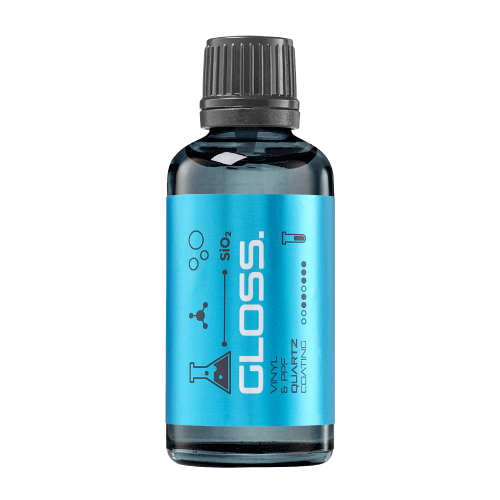
 PPF & VINYLGLOSSProtection for glossy films and wraps.Discover
 MATTE & SATINMATTEProtection that respects the finish.Discover
 GLASSWINDOWSExplore dedicated glass protection.Discover
 WHEEL PROTECTIONWHEELSA dedicated coating for your wheels.Discover
 TRIM PROTECTIONPLASTICProtection for plastic surfaces.Discover
Dedicated care for the surfaces inside.
 LEATHER SURFACESLEATHERDiscover NANOLAB leather protection.Discover PLASTIC SURFACESPLASTICProtection for interior plastic surfaces.Discover TEXTILE SURFACESFABRICExplore the latest fabric formulation.Discover
Spray protection, maintenance and upcoming wash products.
 MAINTENANCEBEAST 365Explore the BEAST maintenance range.Discover
Next in washing, cleaning & care.
Ceramic protection for boats and yachts.
An easy-to-apply ceramic coating with an established track record on boats and yachts around the world.
Results vary with surface preparation, exposure and maintenance.
Read 50 MARINE guides →Explore MARINEProtection for the surfaces you live with.
A look at what we’re developing.
From cutting and one-step correction to final finishing.
A wider range for professional vehicle care.
Taking shape alongside BEAST & MATRIX.
Practical guidance for your next coating project.
Explore all guides →
Practical guides for vehicle care, boats, living spaces, shower glass, stainless steel and private-label coating projects.
Explore 3219 guides, covering surface preparation, product selection, application and everyday maintenance.
A visible zipper does not prove that an upholstery cover is intended to be removed and machine washed. Check the furniture or component instructions before disassembly, especially when planning cleaning followed by a protective treatment.

Equal applied force does not mean equal contact pressure when the contact areas differ. A coating test comparison should retain the tool geometry and contact arrangement alongside the load.
A flat fabric swatch is useful for an initial appearance check, but it does not reproduce every feature of an upholstered seat or cushion. Evaluate the finished construction before extending a sample result to the complete item.
A cycle count does not fully describe a reciprocating abrasion exposure. The stroke length and definition of a cycle determine the associated travel distance.
Aniline and pigmented leather have different finish descriptions, so the word leather alone is not enough to select protection. Use the upholstery specification and care guidance to identify the exposed surface before proposing a coating.
A protection service should explain what it is intended to improve without promising that every spill will be removable. Set expectations around the approved product, material and care response before the customer relies on a demonstration.
Two cushions with similar-looking fabric may behave differently because their construction is different. A fair protection demonstration identifies the fabric, backing and relevant assembly conditions before attributing every observation to the treatment.
A scratch-test result should identify the tool geometry as well as the applied load. Different tips can create different contact conditions, so a load-only comparison is incomplete.
A light patch on interior trim or upholstery may be remaining soil, an existing repair or loss of the original finish. Increasing cleaning intensity without identifying the change can make the condition harder to assess.
Shared seating needs a maintenance owner, not just an installation record. When several teams clean the same upholstery, a protective treatment can be difficult to evaluate unless everyone follows the same current care instructions.
A hidden test spot is useful only if it represents the visible surface you intend to treat. An underside, seam allowance or separate trim piece may have a different finish, wear history or construction from the main panel.
Knowing when upholstery was cleaned is less useful than knowing how it was cleaned and whether the required finishing steps were completed. Obtain that information before deciding whether the surface is ready for a protective treatment.