






A full polishing range.
From cutting and one-step correction to final finishing.
Specialist chemistry. Expert application.
 QUARTZ99 / CERAMIC BASE COAT
The foundation of your coating system.
A layerable quartz base coat designed for mechanical protection. Pair it with a suitable top coat to create the final finish.
For application by NANOLAB certified installers only.
Four formulas. Extended working time. Find the coating for your finish.
Explore the BEAST family of ceramic coatings.
Find the coating for each exterior surface.
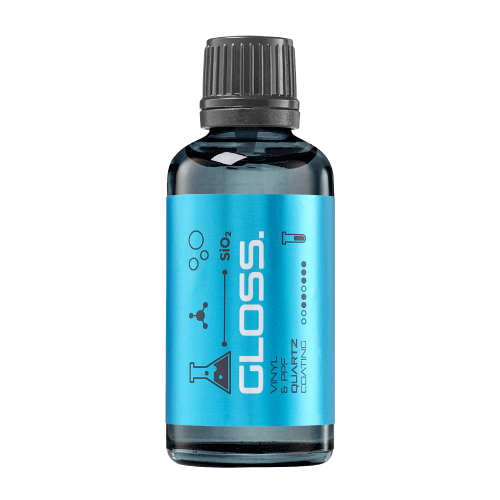
 PPF & VINYLGLOSSProtection for glossy films and wraps.Discover
 MATTE & SATINMATTEProtection that respects the finish.Discover
 GLASSWINDOWSExplore dedicated glass protection.Discover
 WHEEL PROTECTIONWHEELSA dedicated coating for your wheels.Discover
 TRIM PROTECTIONPLASTICProtection for plastic surfaces.Discover
Dedicated care for the surfaces inside.
 LEATHER SURFACESLEATHERDiscover NANOLAB leather protection.Discover PLASTIC SURFACESPLASTICProtection for interior plastic surfaces.Discover TEXTILE SURFACESFABRICExplore the latest fabric formulation.Discover
Spray protection, maintenance and upcoming wash products.
 MAINTENANCEBEAST 365Explore the BEAST maintenance range.Discover
Next in washing, cleaning & care.
Ceramic protection for boats and yachts.
An easy-to-apply ceramic coating with an established track record on boats and yachts around the world.
Results vary with surface preparation, exposure and maintenance.
Read 50 MARINE guides →Explore MARINEProtection for the surfaces you live with.
A look at what we’re developing.
From cutting and one-step correction to final finishing.
A wider range for professional vehicle care.
Taking shape alongside BEAST & MATRIX.
Practical guidance for your next coating project.
Explore all guides →
Practical guides for vehicle care, boats, living spaces, shower glass, stainless steel and private-label coating projects.
Explore 3219 guides, covering surface preparation, product selection, application and everyday maintenance.
On light upholstery, small existing marks can become the focus of a later protection complaint. Create a clear dry-condition record before the trial so both customer and installer can distinguish prior condition from a new observation.
An easy-clean claim should be evaluated through an appropriate cleaning cycle, not only by watching a fresh drop sit on a sample. The useful outcome is how the approved surface can be maintained after a representative, controlled exposure.
A trade name can be useful for ordering, but it may not explain the material or exposed finish to the next installer. Keep both the commercial name and the available technical description in the care record.

Sample labels should preserve identity without changing the area being evaluated. Ink, adhesive or physical marking placed on the test surface can introduce a new variable that later looks like a treatment effect.
A replacement or repaired interior panel may need a new protection and care decision. The original handover should tell the owner that the service record does not automatically cover every future component fitted to the vehicle.
Some patterns visible in heat-treated glass originate in the glass manufacturing process rather than in a surface coating. Establish the glazing type and viewing conditions before trying to remove a pattern with cleaner or polish.
Wavy reflections can arise from the glass or glazing assembly rather than a removable film. Before quoting a cleaning or coating remedy, determine whether the complaint concerns reflection geometry, a surface deposit or another optical feature.
First establish where window misting is located. Condensation between panes raises a glazing-unit question that an exterior surface coating cannot resolve simply by changing the outside face's water behaviour.
Temporary condensation on the outside of a window is a different observation from a persistent surface film. Record when and where it appears before deciding that the glass needs another cleaner or protective treatment.
Back-painted decorative glass has different faces with different functions. A coating quote should identify the exposed face being assessed and should not imply that a glass-cleaning method is suitable for the painted backing or edges.
Mirror edges deserve separate attention during preparation because the visible glass face is only one part of the assembly. Identify the mirror product and its care restrictions before allowing cleaning liquid or a proposed treatment to contact exposed edges.
Repeated marks on glazing below construction materials should prompt a review of the runoff source. Cleaning the pane without addressing continuing exposure can leave the same problem returning and may encourage increasingly aggressive treatment.