






A full polishing range.
From cutting and one-step correction to final finishing.
Specialist chemistry. Expert application.
 QUARTZ99 / CERAMIC BASE COAT
The foundation of your coating system.
A layerable quartz base coat designed for mechanical protection. Pair it with a suitable top coat to create the final finish.
For application by NANOLAB certified installers only.
Four formulas. Extended working time. Find the coating for your finish.
Explore the BEAST family of ceramic coatings.
Find the coating for each exterior surface.
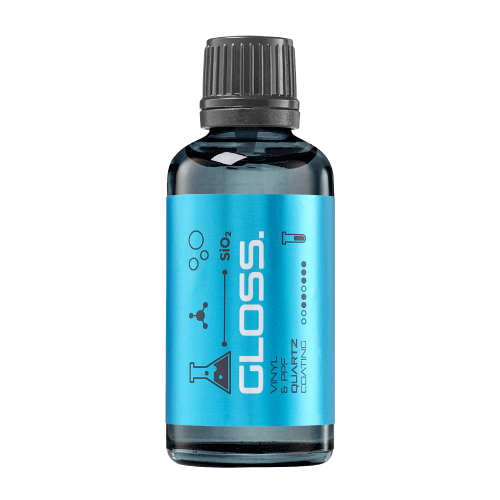
 PPF & VINYLGLOSSProtection for glossy films and wraps.Discover
 MATTE & SATINMATTEProtection that respects the finish.Discover
 GLASSWINDOWSExplore dedicated glass protection.Discover
 WHEEL PROTECTIONWHEELSA dedicated coating for your wheels.Discover
 TRIM PROTECTIONPLASTICProtection for plastic surfaces.Discover
Dedicated care for the surfaces inside.
 LEATHER SURFACESLEATHERDiscover NANOLAB leather protection.Discover PLASTIC SURFACESPLASTICProtection for interior plastic surfaces.Discover TEXTILE SURFACESFABRICExplore the latest fabric formulation.Discover
Spray protection, maintenance and upcoming wash products.
 MAINTENANCEBEAST 365Explore the BEAST maintenance range.Discover
Next in washing, cleaning & care.
Ceramic protection for boats and yachts.
An easy-to-apply ceramic coating with an established track record on boats and yachts around the world.
Results vary with surface preparation, exposure and maintenance.
Read 50 MARINE guides →Explore MARINEProtection for the surfaces you live with.
A look at what we’re developing.
From cutting and one-step correction to final finishing.
A wider range for professional vehicle care.
Taking shape alongside BEAST & MATRIX.
Practical guidance for your next coating project.
Explore all guides →
On light upholstery, small existing marks can become the focus of a later protection complaint. Create a clear dry-condition record before the trial so both customer and installer can distinguish prior condition from a new observation.
Updated · NANOLAB Knowledge
Use consistent lighting and include both context and close-up photographs. A close-up without location can exaggerate a minor feature or make it impossible to revisit the same spot. Record repairs, colour differences and areas that remain uncertain after approved cleaning. The purpose is an honest baseline, not a promise that protection will correct the appearance.
Illustrative example: a faint mark near a seat seam is visible before treatment but is not recorded. After installation, it is reported as a new stain. A consistent baseline photograph would help establish the sequence and direct the discussion toward the actual remaining issue.
Photographs do not prove every aspect of material condition and should not be used to dismiss a legitimate concern. Keep uncertainty visible. If a mark changes during the process, stop, document the change and seek the relevant technical assessment.
Ask NANOLAB about the exact product and intended use. Use the current product documentation for formulation-specific instructions.
Repaired fabric has a different local history. Confirm the repair material and readiness before applying the original upholstery routine.
Appearance alone does not address every practical use concern. Where transfer is relevant, the evaluation should follow a suitable approved method.
A flat fabric swatch is useful for an initial appearance check, but it does not reproduce every feature of an upholstered seat or cushion. Evaluate the finished construction before extending a sample result to the complete item.