






A full polishing range.
From cutting and one-step correction to final finishing.
Specialist chemistry. Expert application.
 QUARTZ99 / CERAMIC BASE COAT
The foundation of your coating system.
A layerable quartz base coat designed for mechanical protection. Pair it with a suitable top coat to create the final finish.
For application by NANOLAB certified installers only.
Four formulas. Extended working time. Find the coating for your finish.
Explore the BEAST family of ceramic coatings.
Find the coating for each exterior surface.
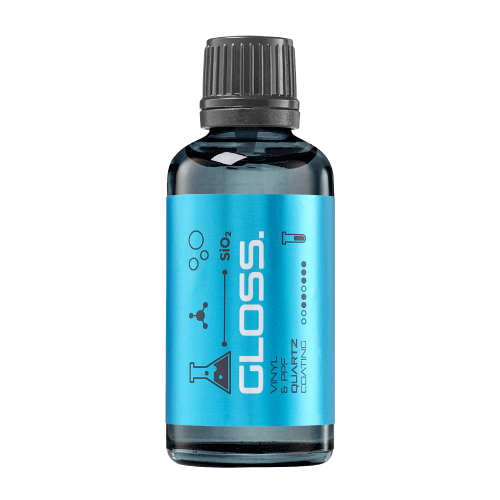
 PPF & VINYLGLOSSProtection for glossy films and wraps.Discover
 MATTE & SATINMATTEProtection that respects the finish.Discover
 GLASSWINDOWSExplore dedicated glass protection.Discover
 WHEEL PROTECTIONWHEELSA dedicated coating for your wheels.Discover
 TRIM PROTECTIONPLASTICProtection for plastic surfaces.Discover
Dedicated care for the surfaces inside.
 LEATHER SURFACESLEATHERDiscover NANOLAB leather protection.Discover PLASTIC SURFACESPLASTICProtection for interior plastic surfaces.Discover TEXTILE SURFACESFABRICExplore the latest fabric formulation.Discover
Spray protection, maintenance and upcoming wash products.
 MAINTENANCEBEAST 365Explore the BEAST maintenance range.Discover
Next in washing, cleaning & care.
Ceramic protection for boats and yachts.
An easy-to-apply ceramic coating with an established track record on boats and yachts around the world.
Results vary with surface preparation, exposure and maintenance.
Read 50 MARINE guides →Explore MARINEProtection for the surfaces you live with.
A look at what we’re developing.
From cutting and one-step correction to final finishing.
A wider range for professional vehicle care.
Taking shape alongside BEAST & MATRIX.
Practical guidance for your next coating project.
Explore all guides →
A light patch on interior trim or upholstery may be remaining soil, an existing repair or loss of the original finish. Increasing cleaning intensity without identifying the change can make the condition harder to assess.
Updated · NANOLAB Knowledge
Start with the location and history of the mark. High-contact areas deserve careful inspection, but their position alone does not prove wear. Compare photographs and untreated areas where available, and use only the material's approved cleaning route. Record whether the colour, texture or sheen changes during the process rather than judging progress from the cloth alone.
Illustrative example: a seat bolster remains pale after routine cleaning. Further rubbing transfers colour to the cloth and enlarges the affected area. That is a reason to stop and seek a finish assessment, not evidence that more dirt must still be removed.
Do not apply protection to disguise an unresolved loss of finish. A coating is not automatically a repair system. Document the condition honestly and refer repair questions to a qualified upholstery or trim specialist before choosing subsequent care.
Ask NANOLAB about the exact product and intended use. Use the current product documentation for formulation-specific instructions.

Assess polished aluminium before ceramic coating, distinguishing bare metal from clear-coated parts and setting a realistic appearance and care trial.
Assess nano coating proposals for bronze and patinated metal, distinguishing decorative colour, existing protection and conservation requirements.
Judge Alcantara after the permitted cleaning process has been completed and the material has dried. A wet or disturbed surface can make it difficult to decide whether a mark remains or whether the appearance needs further assessment.