






A full polishing range.
From cutting and one-step correction to final finishing.
Specialist chemistry. Expert application.
 QUARTZ99 / CERAMIC BASE COAT
The foundation of your coating system.
A layerable quartz base coat designed for mechanical protection. Pair it with a suitable top coat to create the final finish.
For application by NANOLAB certified installers only.
Four formulas. Extended working time. Find the coating for your finish.
Explore the BEAST family of ceramic coatings.
Find the coating for each exterior surface.
 PPF & VINYLGLOSSProtection for glossy films and wraps.Discover
 MATTE & SATINMATTEProtection that respects the finish.Discover
 GLASSWINDOWSExplore dedicated glass protection.Discover
 WHEEL PROTECTIONWHEELSA dedicated coating for your wheels.Discover
 TRIM PROTECTIONPLASTICProtection for plastic surfaces.Discover
Dedicated care for the surfaces inside.
 LEATHER SURFACESLEATHERDiscover NANOLAB leather protection.Discover PLASTIC SURFACESPLASTICProtection for interior plastic surfaces.Discover TEXTILE SURFACESFABRICExplore the latest fabric formulation.Discover
Spray protection, maintenance and upcoming wash products.
 MAINTENANCEBEAST 365Explore the BEAST maintenance range.Discover
Next in washing, cleaning & care.
Ceramic protection for boats and yachts.
An easy-to-apply ceramic coating with an established track record on boats and yachts around the world.
Results vary with surface preparation, exposure and maintenance.
Read 50 MARINE guides →Explore MARINEProtection for the surfaces you live with.
A look at what we’re developing.
From cutting and one-step correction to final finishing.
A wider range for professional vehicle care.
Taking shape alongside BEAST & MATRIX.
Practical guidance for your next coating project.
Explore all guides →
Diagnose water spots, haze, high spots and changes in coating behaviour before choosing a treatment.
When a cleaning attempt does not resolve a mark, review what happened before repeating the treatment. Reapplication adds another exposure and should follow the product instructions and a clear understanding of the remaining problem.
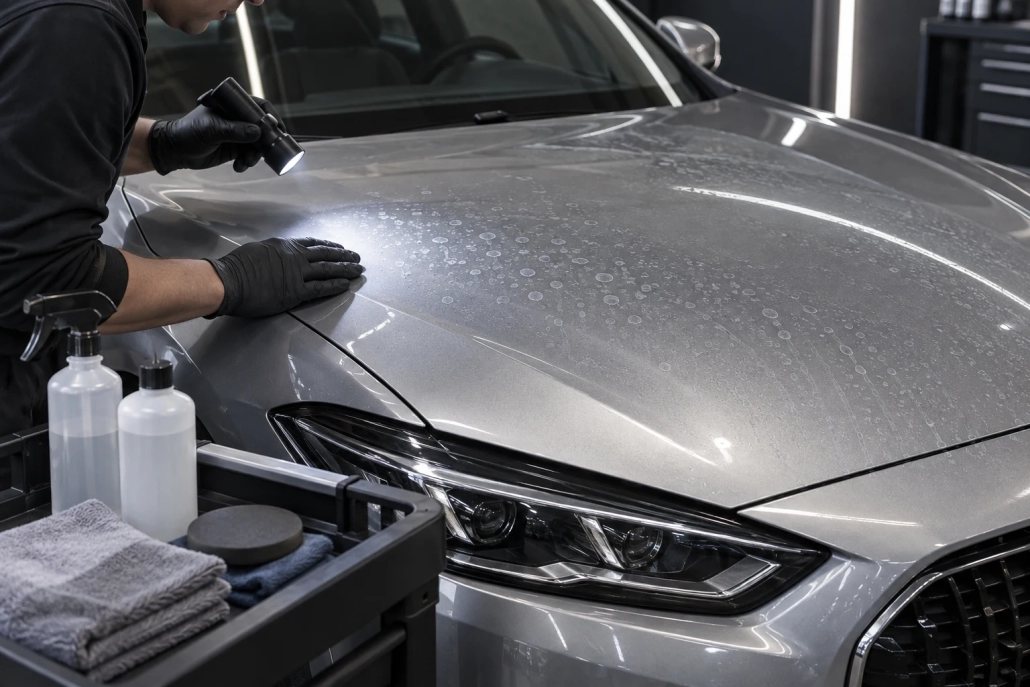
Distinguish mineral deposits from etched damage and choose a compatible response before considering polishing or coating renewal.
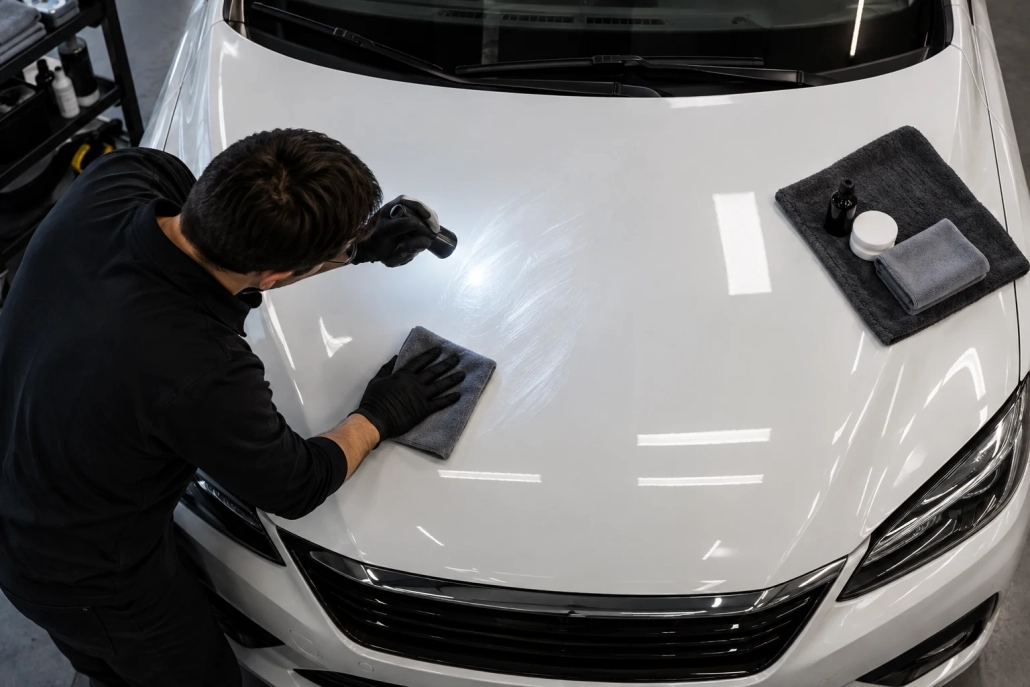
Recognise excess coating residue and understand why the appropriate correction depends on the product and how far curing has progressed.
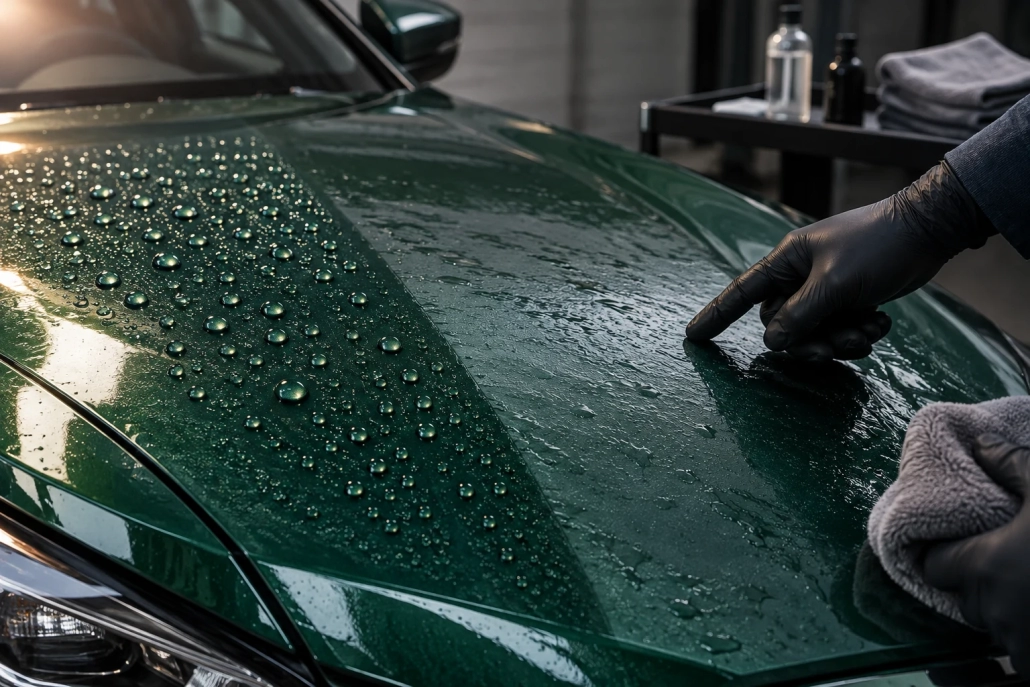
Investigate contamination, wash residue and toppers before assuming reduced water beading means the coating has disappeared.
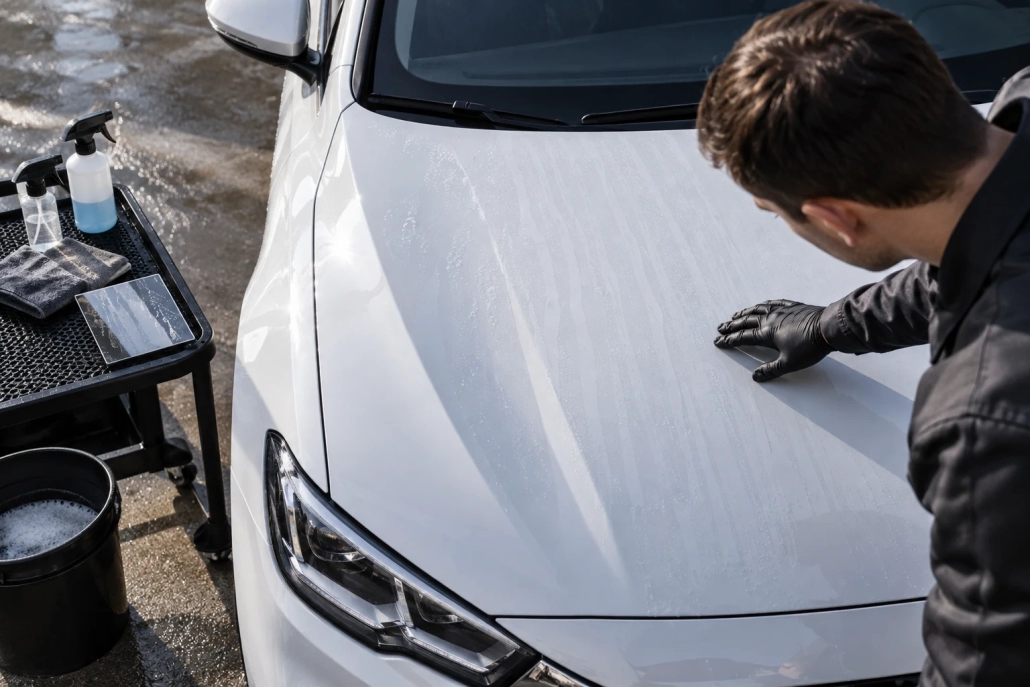
Check shampoo residue, drying aids, towels and water quality before treating post-wash streaks as coating damage.
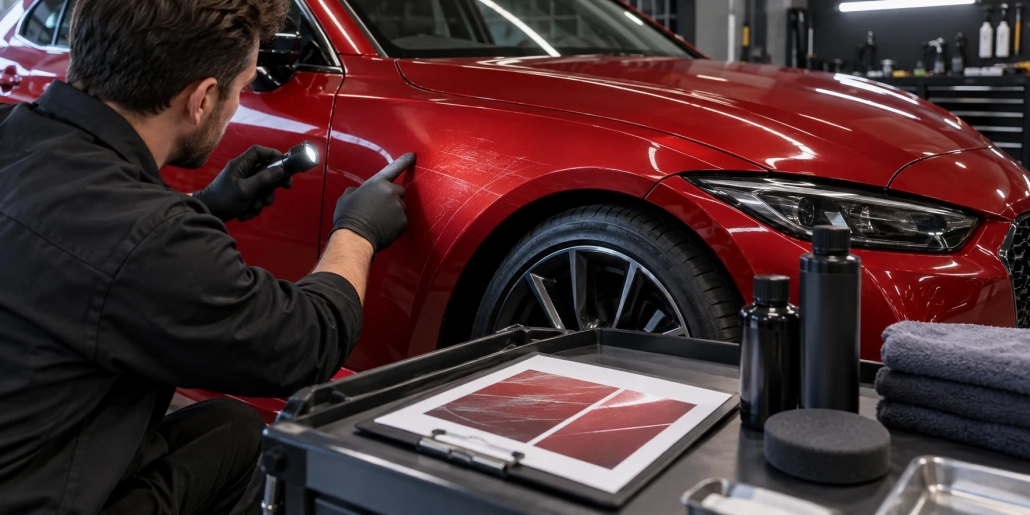
Assess new marks without assuming they are limited to the coating, and plan correction around paint preservation and the affected area.
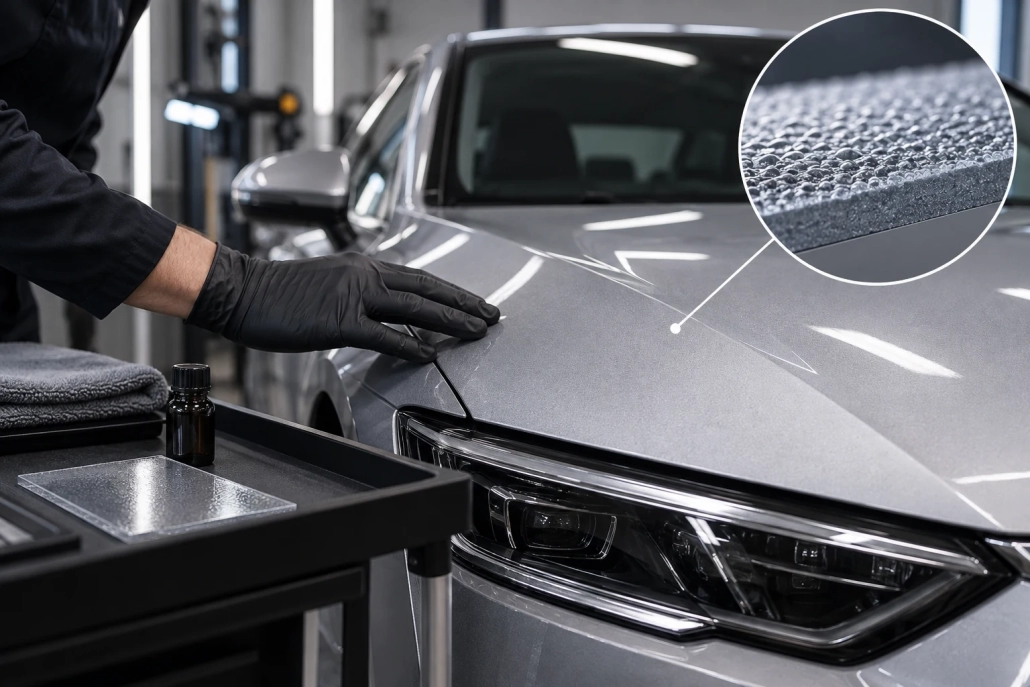
Investigate bonded contamination and surface condition before choosing clay, polishing or another coating layer.
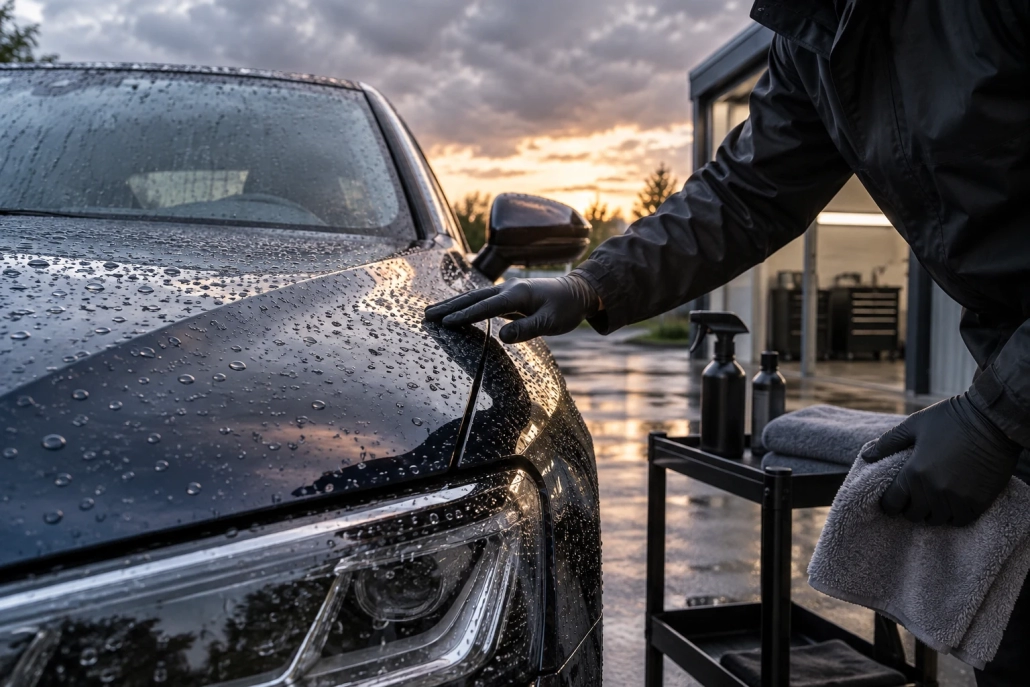
Rain on a fresh ceramic coating? Check the curing stage, record the exposure and follow product-specific aftercare before washing or treating marks.
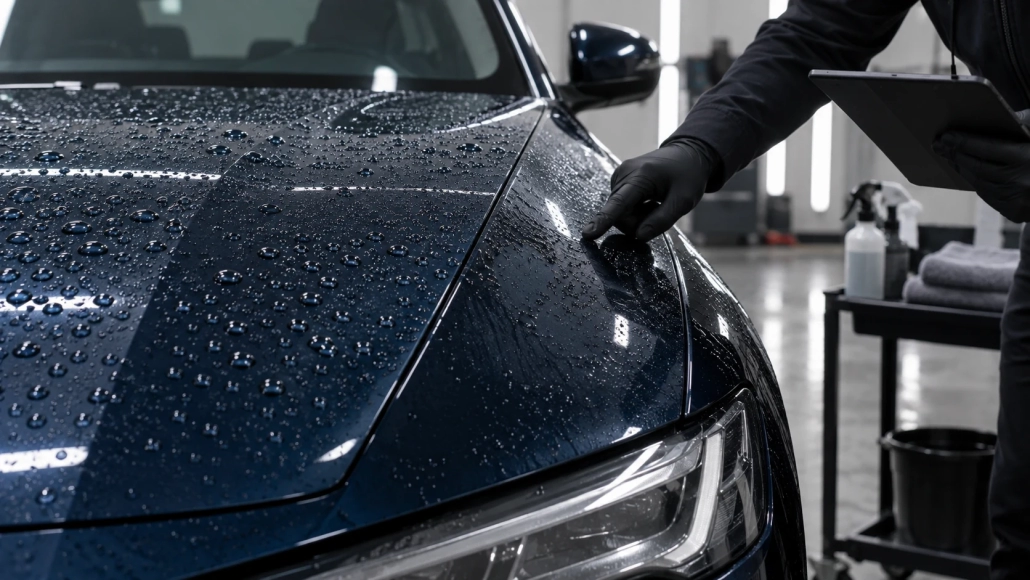
Compare panel angle, contamination and treatment history before deciding that differences in beading indicate an installation defect.
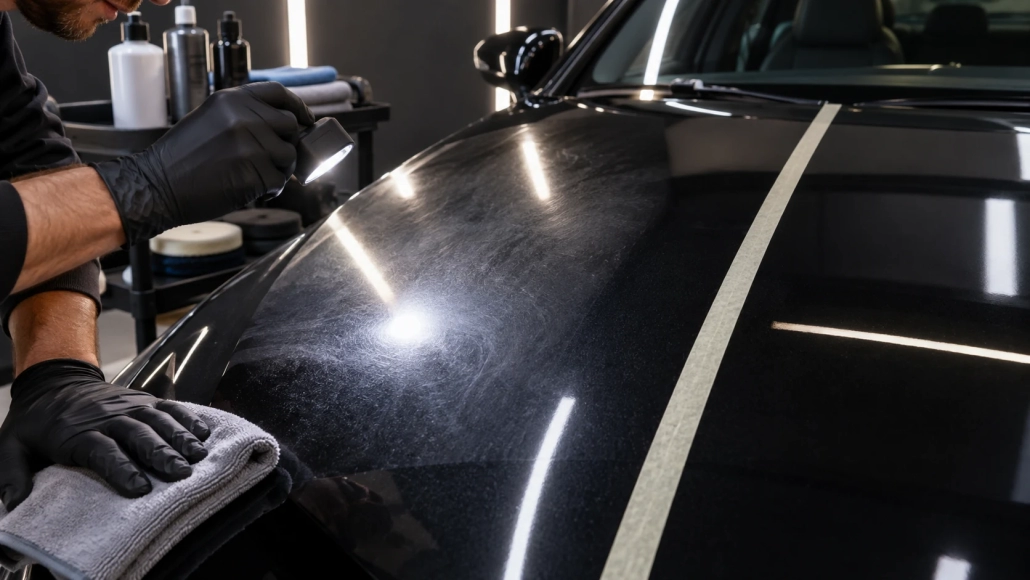
Separate polishing haze, coating residue and wash contamination so the correction process addresses the right layer of the finish.
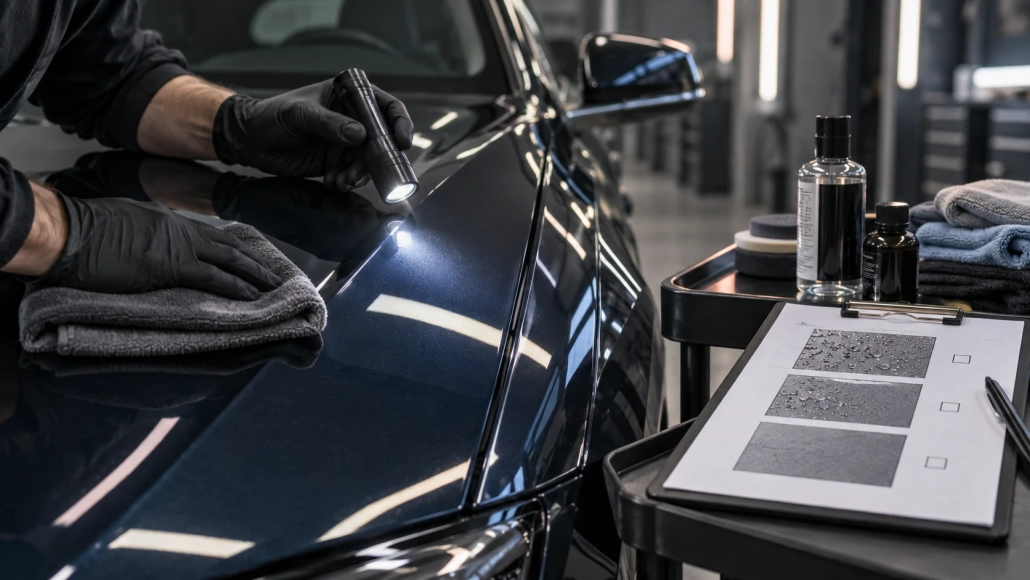
Choose between cleaning, targeted maintenance and reapplication by assessing the coating after proper washing and reviewing its service history.
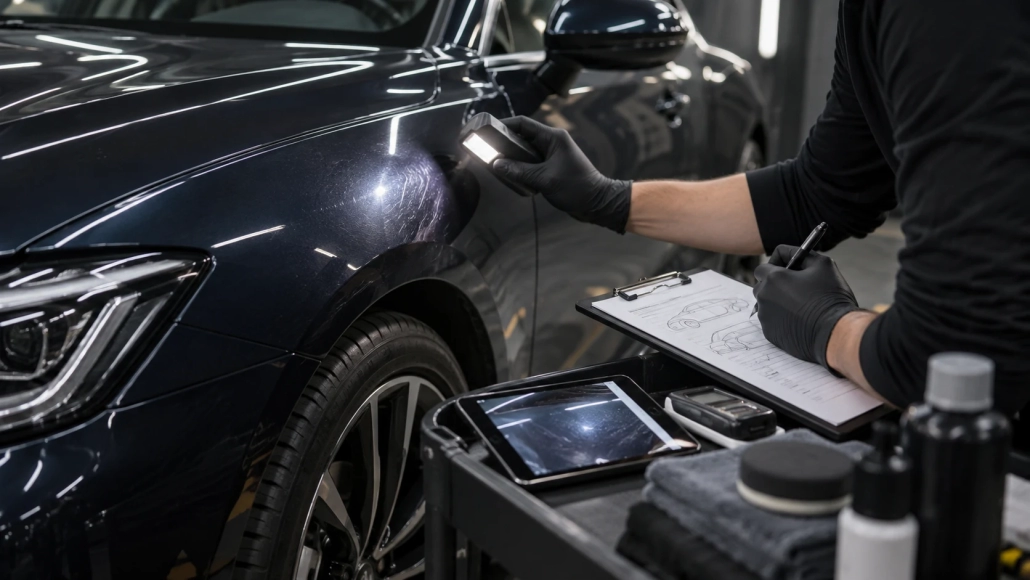
Document lifting or flaking material and obtain a surface assessment before assuming that a visible peeling layer is the ceramic coating.