






A full polishing range.
From cutting and one-step correction to final finishing.
Specialist chemistry. Expert application.
 QUARTZ99 / CERAMIC BASE COAT
The foundation of your coating system.
A layerable quartz base coat designed for mechanical protection. Pair it with a suitable top coat to create the final finish.
For application by NANOLAB certified installers only.
Four formulas. Extended working time. Find the coating for your finish.
Explore the BEAST family of ceramic coatings.
Find the coating for each exterior surface.
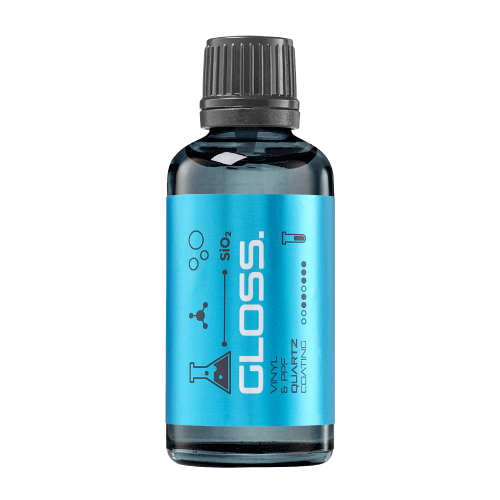
 PPF & VINYLGLOSSProtection for glossy films and wraps.Discover
 MATTE & SATINMATTEProtection that respects the finish.Discover
 GLASSWINDOWSExplore dedicated glass protection.Discover
 WHEEL PROTECTIONWHEELSA dedicated coating for your wheels.Discover
 TRIM PROTECTIONPLASTICProtection for plastic surfaces.Discover
Dedicated care for the surfaces inside.
 LEATHER SURFACESLEATHERDiscover NANOLAB leather protection.Discover PLASTIC SURFACESPLASTICProtection for interior plastic surfaces.Discover TEXTILE SURFACESFABRICExplore the latest fabric formulation.Discover
Spray protection, maintenance and upcoming wash products.
 MAINTENANCEBEAST 365Explore the BEAST maintenance range.Discover
Next in washing, cleaning & care.
Ceramic protection for boats and yachts.
An easy-to-apply ceramic coating with an established track record on boats and yachts around the world.
Results vary with surface preparation, exposure and maintenance.
Read 50 MARINE guides →Explore MARINEProtection for the surfaces you live with.
A look at what we’re developing.
From cutting and one-step correction to final finishing.
A wider range for professional vehicle care.
Taking shape alongside BEAST & MATRIX.
Practical guidance for your next coating project.
Explore all guides →
Match coatings to PPF, vinyl, matte finishes, wheels, glass, trim and upholstery.
Upholstery is an assembly of face fabric, foam, adhesives and backing. Excess treatment can reach materials not covered by a face-fabric test.
A spare trim sample is useful only if its finish matches the installed component. Similar colour does not prove identical construction.
Cameras and optical covers are functional components, not ordinary painted trim. Vehicle-specific restrictions take priority in the scope.
A charge-port area includes electrical and functional components beyond the painted exterior. The service should clearly limit treatment to approved cosmetic surfaces.
A wheel can contain several exposed finishes, including paint, clear coat, bare metal, decorative pieces and repaired areas. Cleaner approval for one finish does not automatically cover every part of the assembled wheel.
A suede-like appearance does not identify a surface as leather or Alcantara. Establish the actual material before choosing a cleaner or protective treatment, because a familiar texture is not a reliable substitute for the manufacturer's care instructions.
Judge Alcantara after the permitted cleaning process has been completed and the material has dried. A wet or disturbed surface can make it difficult to decide whether a mark remains or whether the appearance needs further assessment.
A flat fabric swatch is useful for an initial appearance check, but it does not reproduce every feature of an upholstered seat or cushion. Evaluate the finished construction before extending a sample result to the complete item.
Aniline and pigmented leather have different finish descriptions, so the word leather alone is not enough to select protection. Use the upholstery specification and care guidance to identify the exposed surface before proposing a coating.
A light patch on interior trim or upholstery may be remaining soil, an existing repair or loss of the original finish. Increasing cleaning intensity without identifying the change can make the condition harder to assess.
A hidden test spot is useful only if it represents the visible surface you intend to treat. An underside, seam allowance or separate trim piece may have a different finish, wear history or construction from the main panel.
Knowing when upholstery was cleaned is less useful than knowing how it was cleaned and whether the required finishing steps were completed. Obtain that information before deciding whether the surface is ready for a protective treatment.