






A full polishing range.
From cutting and one-step correction to final finishing.
Specialist chemistry. Expert application.
 QUARTZ99 / CERAMIC BASE COAT
The foundation of your coating system.
A layerable quartz base coat designed for mechanical protection. Pair it with a suitable top coat to create the final finish.
For application by NANOLAB certified installers only.
Four formulas. Extended working time. Find the coating for your finish.
Explore the BEAST family of ceramic coatings.
Find the coating for each exterior surface.
 PPF & VINYLGLOSSProtection for glossy films and wraps.Discover
 MATTE & SATINMATTEProtection that respects the finish.Discover
 GLASSWINDOWSExplore dedicated glass protection.Discover
 WHEEL PROTECTIONWHEELSA dedicated coating for your wheels.Discover
 TRIM PROTECTIONPLASTICProtection for plastic surfaces.Discover
Dedicated care for the surfaces inside.
 LEATHER SURFACESLEATHERDiscover NANOLAB leather protection.Discover PLASTIC SURFACESPLASTICProtection for interior plastic surfaces.Discover TEXTILE SURFACESFABRICExplore the latest fabric formulation.Discover
Spray protection, maintenance and upcoming wash products.
 MAINTENANCEBEAST 365Explore the BEAST maintenance range.Discover
Next in washing, cleaning & care.
Ceramic protection for boats and yachts.
An easy-to-apply ceramic coating with an established track record on boats and yachts around the world.
Results vary with surface preparation, exposure and maintenance.
Read 50 MARINE guides →Explore MARINEProtection for the surfaces you live with.
A look at what we’re developing.
From cutting and one-step correction to final finishing.
A wider range for professional vehicle care.
Taking shape alongside BEAST & MATRIX.
Practical guidance for your next coating project.
Explore all guides →
Choose car polish, heavy cut compound, fine cut and finishing polish. Explore dual action techniques, pad selection, defect diagnosis and paint protection.
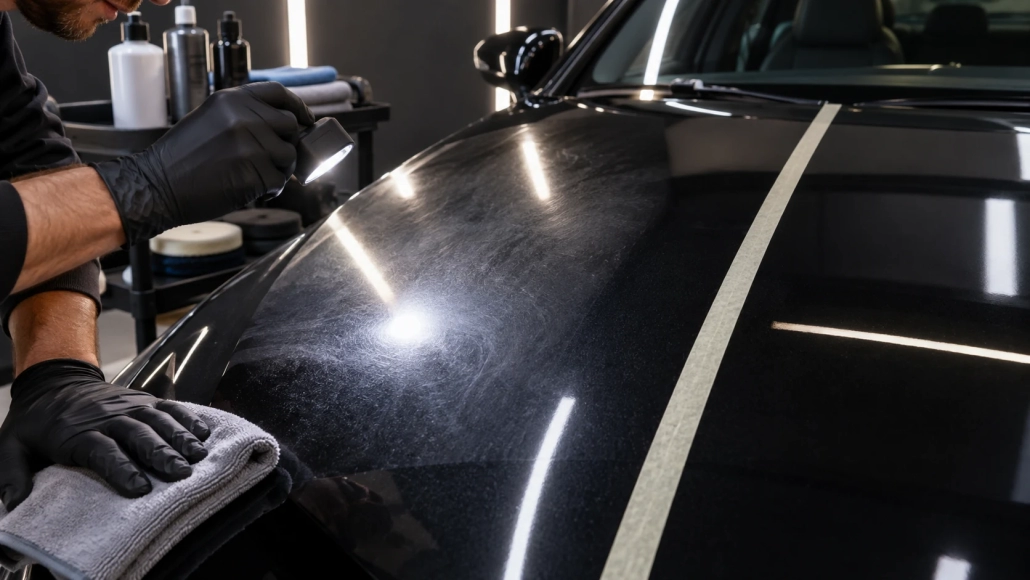
Understand why factory texture and ordinary swirl correction are different targets and why texture levelling requires a separate professional assessment.
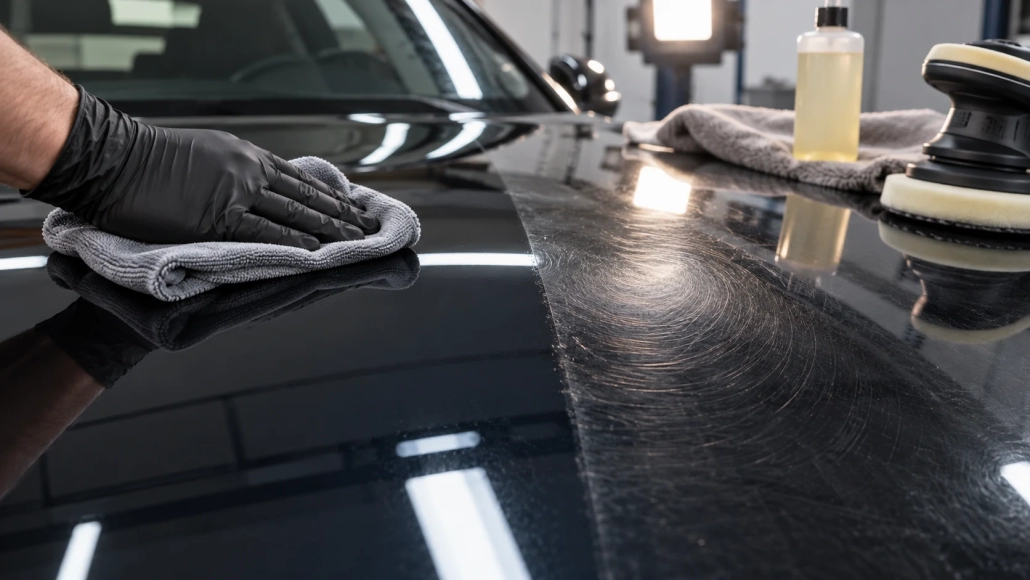
Recognise when dullness needs paint-system assessment and why polishing cannot rebuild peeling, missing or structurally failed clear coat.
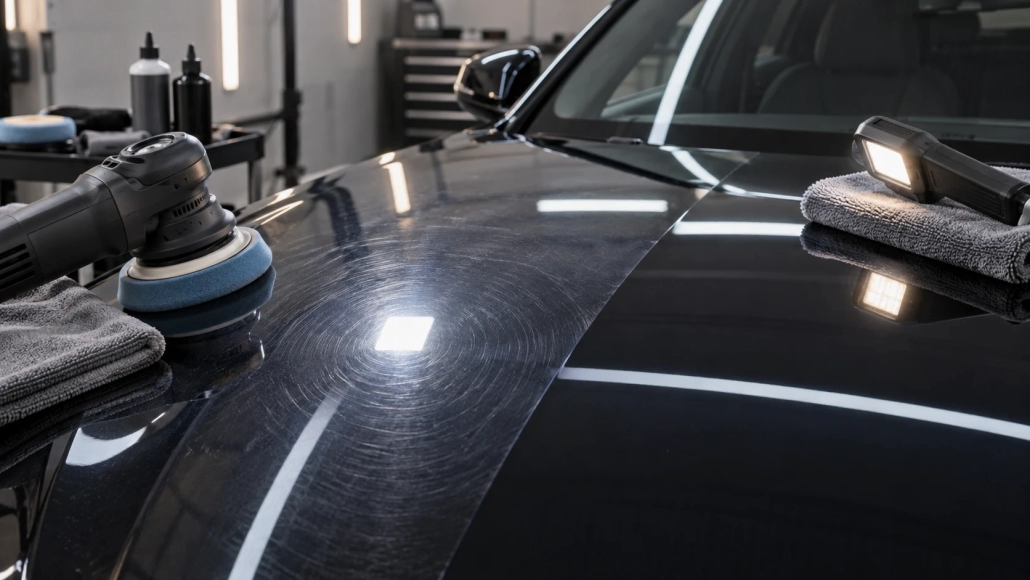
Diagnose patchy clarity through residue, missed areas, pad changes and repair history before repeating a complete polishing stage.
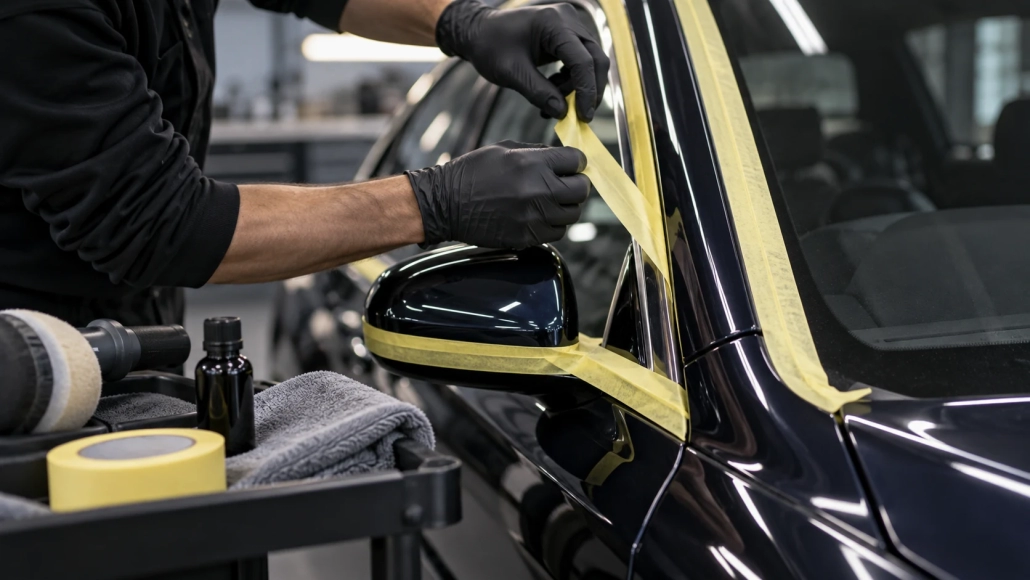
Protect sensitive trim during polishing and remove residue using a compatible method without treating unpainted plastic like the adjacent paint.
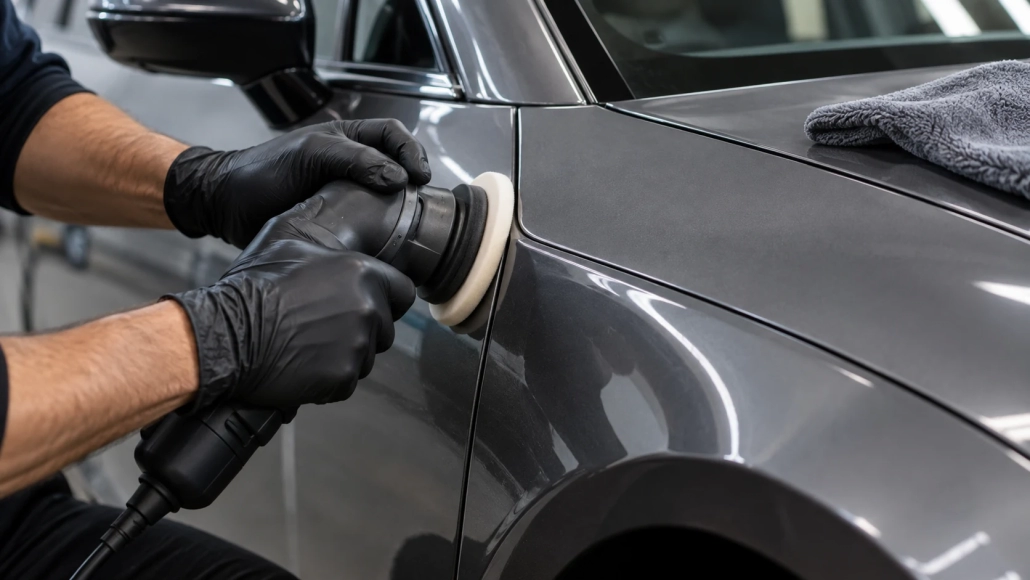
Inspect white paint with controlled lighting and separate contamination, swirls and clarity before choosing the correction process.
Assess scratch-resistant paint through supported product choices and actual response, without assuming it is either unpolishable or safe for unlimited correction.
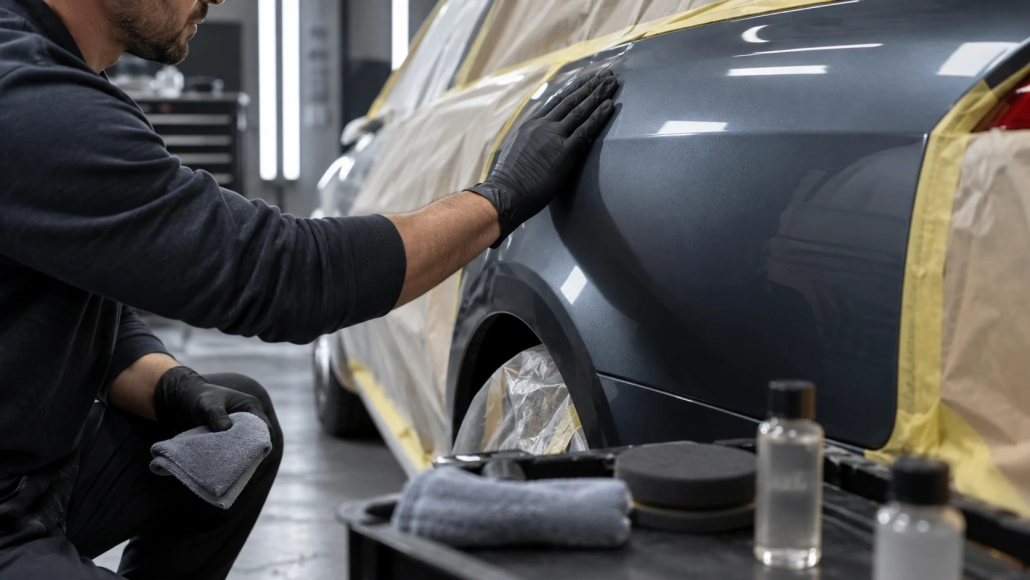
Confirm paint-system instructions, cure status and repair history before polishing a refinished panel or applying its final protection.
Plan correction on painted plastic bumpers around finish identity, access and component behaviour instead of copying the metal-panel process automatically.
Assess glossy black trim by material, coating and access, then test a suitable process without assuming it is ordinary body-panel clear coat.
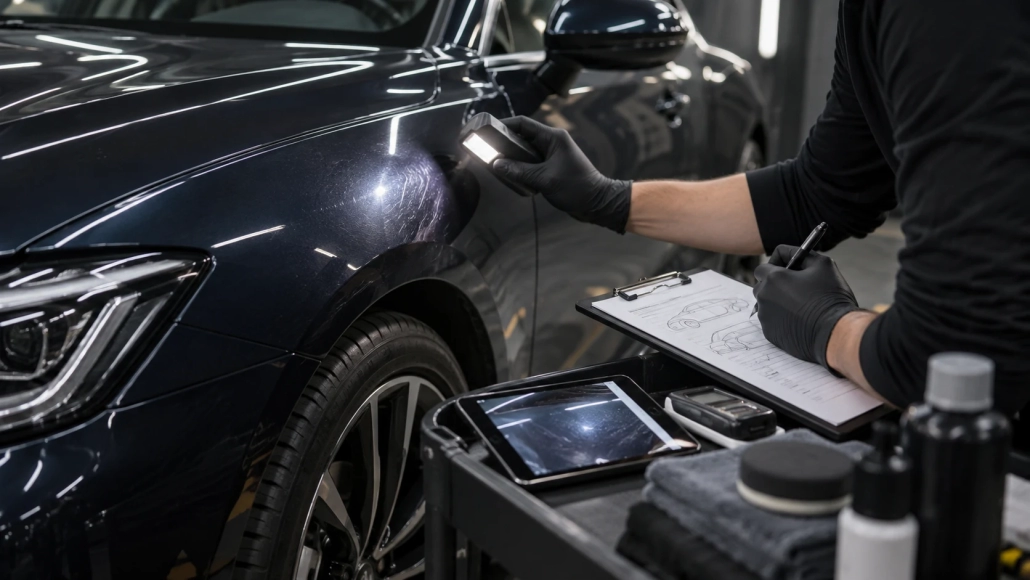
Compare hand and machine correction by access, consistency and the scale of the job, using products approved for the selected application method.
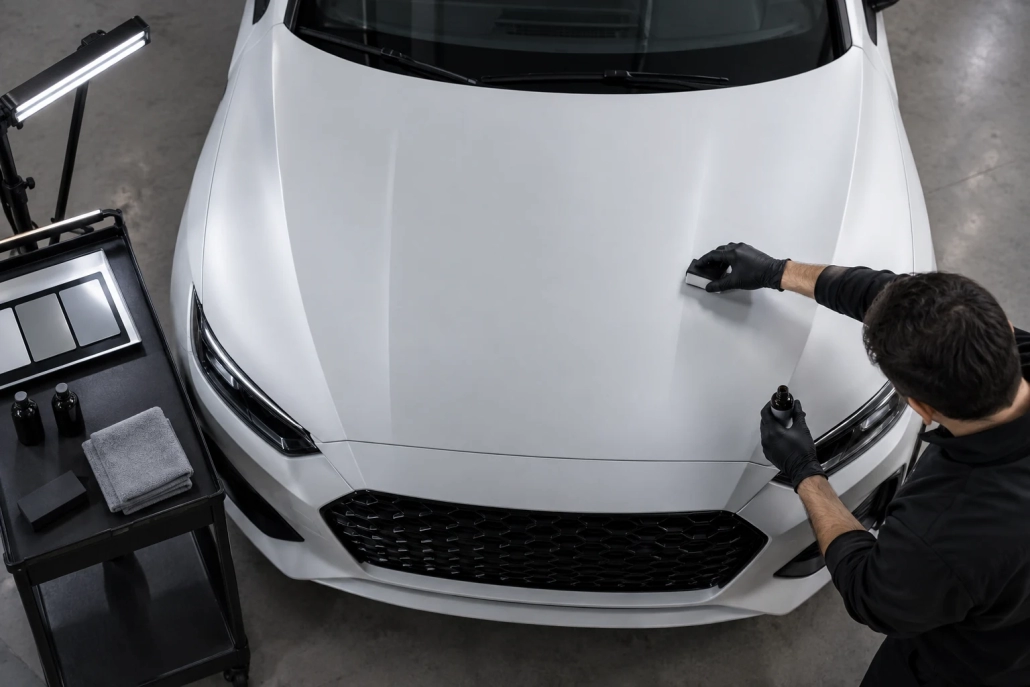
Understand why conventional gloss-enhancing paint correction is unsuitable for preserving matte or satin appearance and how to seek compatible care guidance.
Treat paint protection film as a separate material and check its manufacturer's correction and care guidance before applying a paint-polishing process.