






A full polishing range.
From cutting and one-step correction to final finishing.
Specialist chemistry. Expert application.
 QUARTZ99 / CERAMIC BASE COAT
The foundation of your coating system.
A layerable quartz base coat designed for mechanical protection. Pair it with a suitable top coat to create the final finish.
For application by NANOLAB certified installers only.
Four formulas. Extended working time. Find the coating for your finish.
Explore the BEAST family of ceramic coatings.
Find the coating for each exterior surface.
 PPF & VINYLGLOSSProtection for glossy films and wraps.Discover
 MATTE & SATINMATTEProtection that respects the finish.Discover
 GLASSWINDOWSExplore dedicated glass protection.Discover
 WHEEL PROTECTIONWHEELSA dedicated coating for your wheels.Discover
 TRIM PROTECTIONPLASTICProtection for plastic surfaces.Discover
Dedicated care for the surfaces inside.
 LEATHER SURFACESLEATHERDiscover NANOLAB leather protection.Discover PLASTIC SURFACESPLASTICProtection for interior plastic surfaces.Discover TEXTILE SURFACESFABRICExplore the latest fabric formulation.Discover
Spray protection, maintenance and upcoming wash products.
 MAINTENANCEBEAST 365Explore the BEAST maintenance range.Discover
Next in washing, cleaning & care.
Ceramic protection for boats and yachts.
An easy-to-apply ceramic coating with an established track record on boats and yachts around the world.
Results vary with surface preparation, exposure and maintenance.
Read 50 MARINE guides →Explore MARINEProtection for the surfaces you live with.
A look at what we’re developing.
From cutting and one-step correction to final finishing.
A wider range for professional vehicle care.
Taking shape alongside BEAST & MATRIX.
Practical guidance for your next coating project.
Explore all guides →
Choose car polish, heavy cut compound, fine cut and finishing polish. Explore dual action techniques, pad selection, defect diagnosis and paint protection.
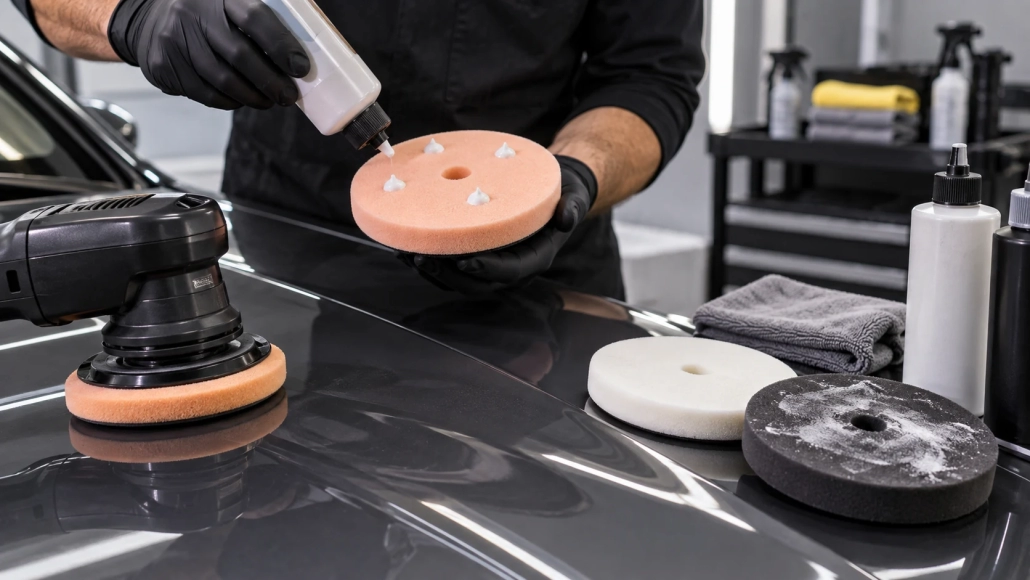
Choose wool pads specifically approved for your DA system and compare construction, handling and the finishing stage needed after correction.
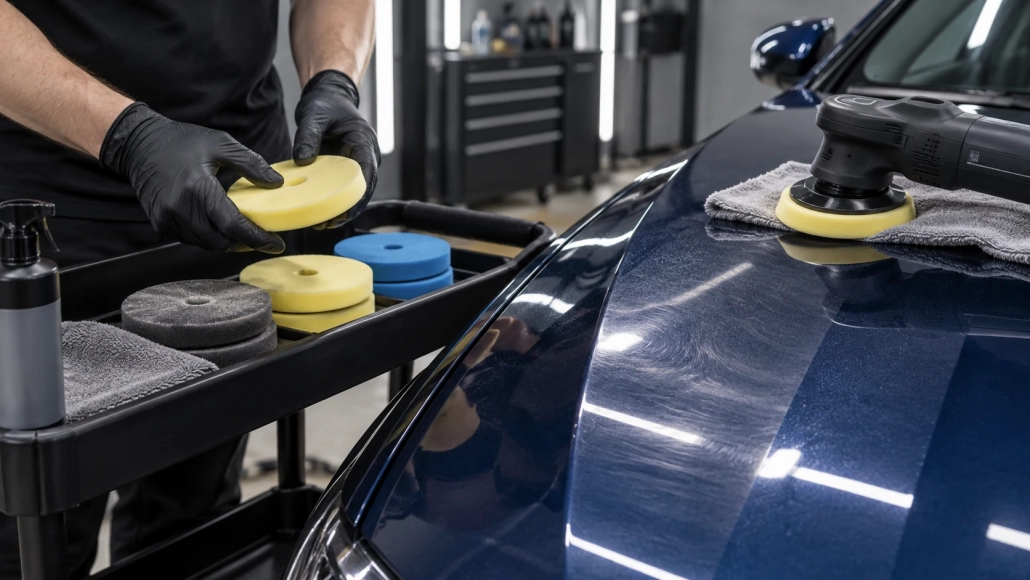
Read foam pad specifications as a complete design and test their effect on contact and finish rather than assigning performance from density alone.
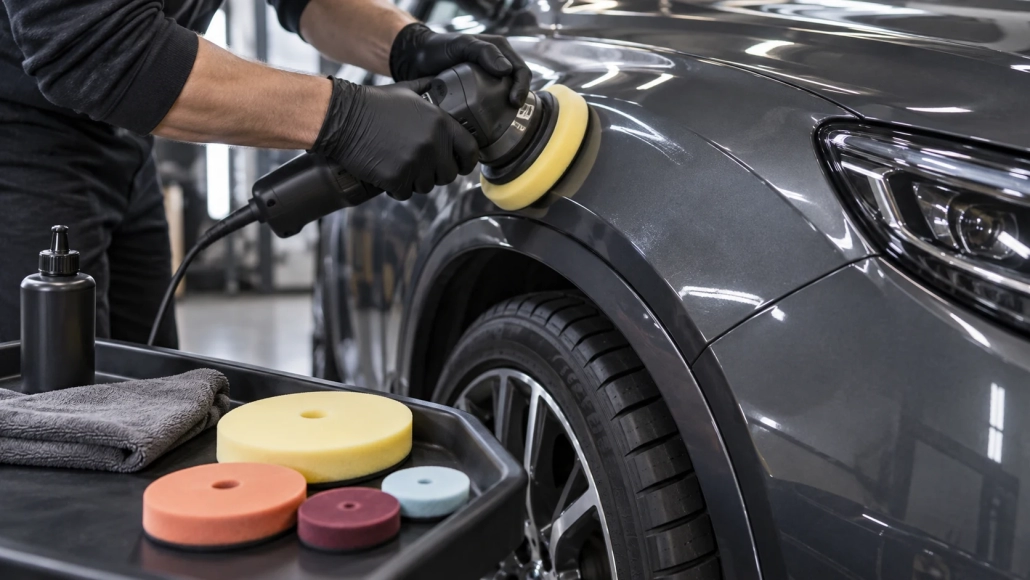
Avoid cross-brand mistakes by identifying polishing pads through manufacturer and model rather than assuming colour always means cutting or finishing.
Build an in-process pad-cleaning routine that preserves useful correction and separates face maintenance from adding more liquid.
Clean polishing pads according to their construction and dry them fully before storage, with attention to residue, attachment and readiness for reuse.
Recognise pad conditions that call for retirement or reassessment and distinguish structural damage from residue that can be removed safely.
Control pad condition when testing compounds so a fresh-versus-loaded comparison is not mistaken for a difference between polishing liquids.
Organise clean, used and rejected pads so cutting residue and contamination do not enter finishing work or confuse the next polishing test.
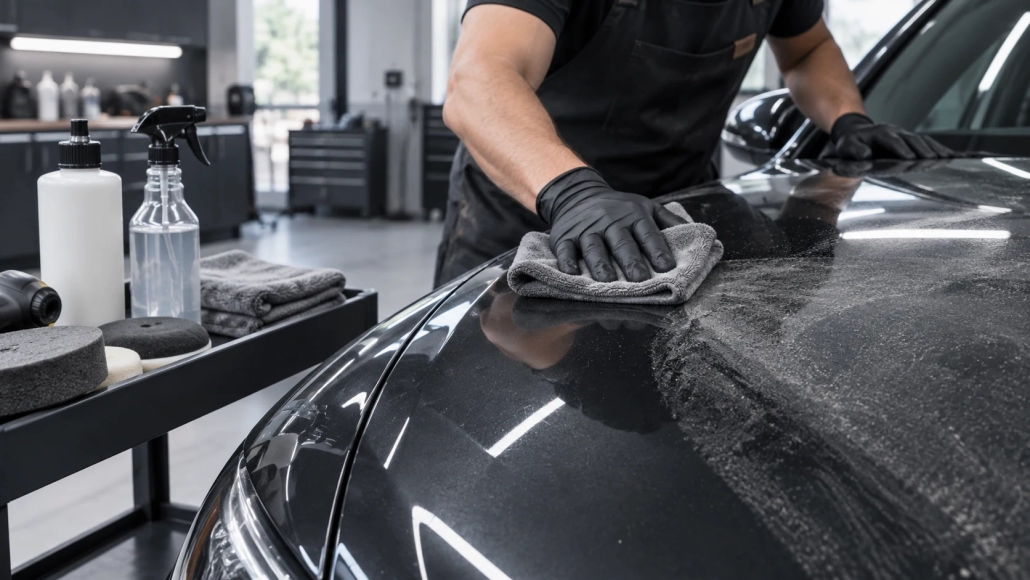
Organise a polishing job into clear decision points for surface assessment, correction, refinement and preparation for protection.
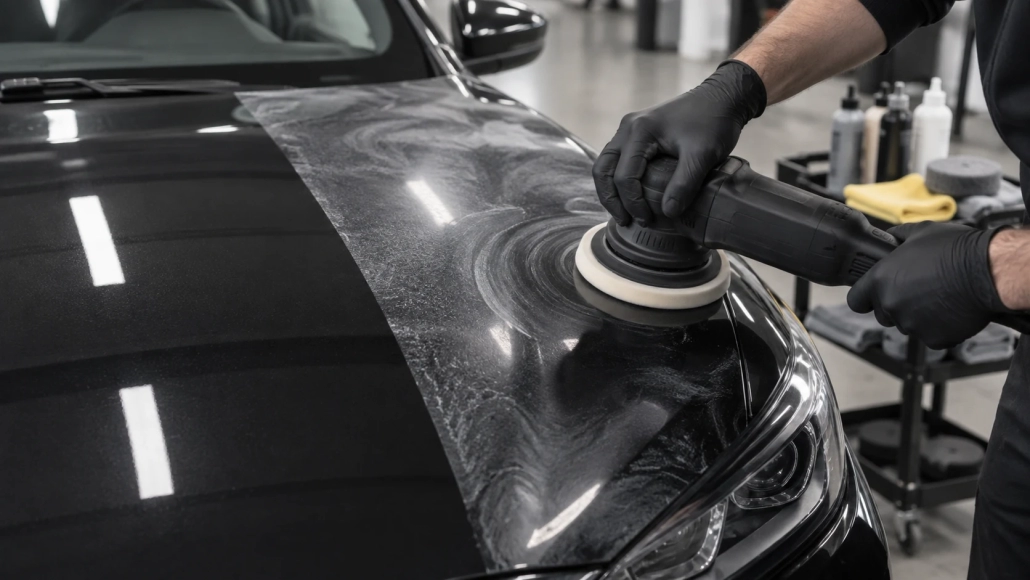
Choose a working section that allows even coverage, usable product film and reliable inspection instead of applying one size to every panel.
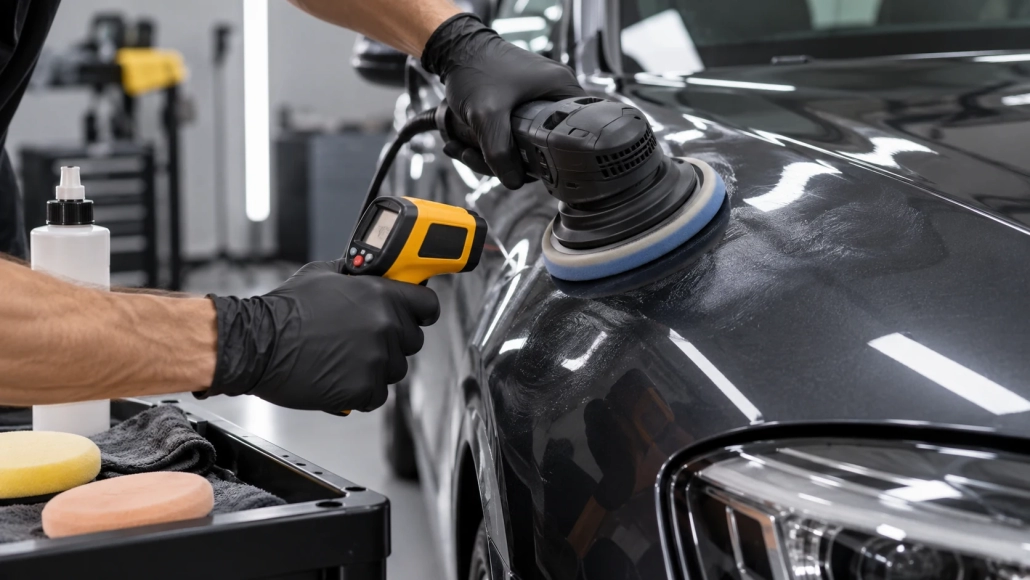
Separate initial pad preparation from reloading and use the product instructions to control quantity without overloading the polishing face.
Check panel conditions, section size, loading and cycle length when polishing residue dries prematurely, before adding water or changing chemistry.