






A full polishing range.
From cutting and one-step correction to final finishing.
Specialist chemistry. Expert application.
 QUARTZ99 / CERAMIC BASE COAT
The foundation of your coating system.
A layerable quartz base coat designed for mechanical protection. Pair it with a suitable top coat to create the final finish.
For application by NANOLAB certified installers only.
Four formulas. Extended working time. Find the coating for your finish.
Explore the BEAST family of ceramic coatings.
Find the coating for each exterior surface.
 PPF & VINYLGLOSSProtection for glossy films and wraps.Discover
 MATTE & SATINMATTEProtection that respects the finish.Discover
 GLASSWINDOWSExplore dedicated glass protection.Discover
 WHEEL PROTECTIONWHEELSA dedicated coating for your wheels.Discover
 TRIM PROTECTIONPLASTICProtection for plastic surfaces.Discover
Dedicated care for the surfaces inside.
 LEATHER SURFACESLEATHERDiscover NANOLAB leather protection.Discover PLASTIC SURFACESPLASTICProtection for interior plastic surfaces.Discover TEXTILE SURFACESFABRICExplore the latest fabric formulation.Discover
Spray protection, maintenance and upcoming wash products.
 MAINTENANCEBEAST 365Explore the BEAST maintenance range.Discover
Next in washing, cleaning & care.
Ceramic protection for boats and yachts.
An easy-to-apply ceramic coating with an established track record on boats and yachts around the world.
Results vary with surface preparation, exposure and maintenance.
Read 50 MARINE guides →Explore MARINEProtection for the surfaces you live with.
A look at what we’re developing.
From cutting and one-step correction to final finishing.
A wider range for professional vehicle care.
Taking shape alongside BEAST & MATRIX.
Practical guidance for your next coating project.
Explore all guides →
Assess scratch-resistant paint through supported product choices and actual response, without assuming it is either unpolishable or safe for unlimited correction.
Updated · NANOLAB Knowledge
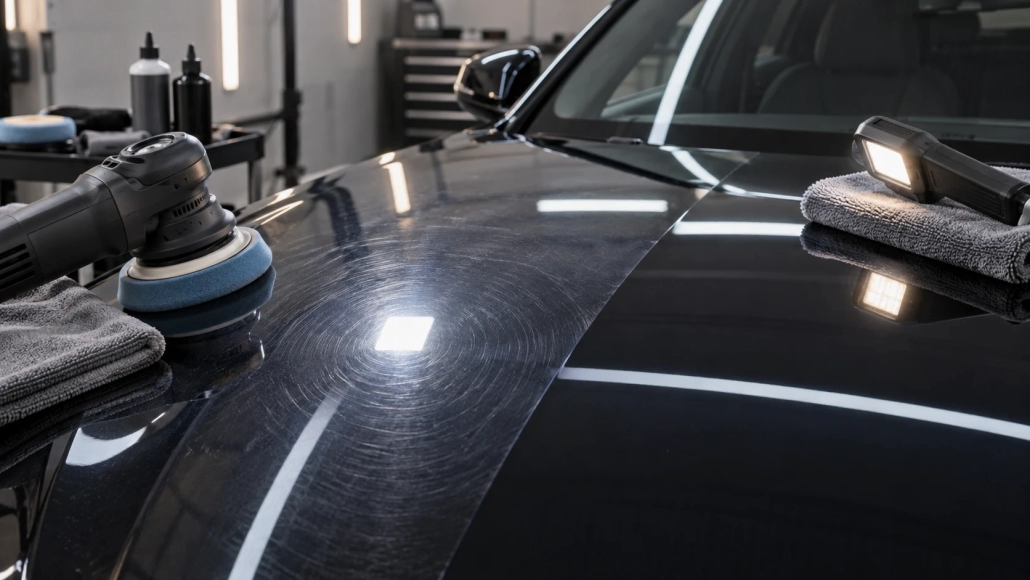
Scratch-resistant is a description of a paint system’s intended performance, not a promise that it cannot mark. It also does not tell you how much clear coat remains or which polishing combination will work best on a particular vehicle.
Identify the original system where reliable information is available and note repairs. A replacement or refinished panel may not behave like the surrounding original paint.
Avoid classifying paint solely by vehicle brand or a general reputation for hardness. The actual response matters.
Choose compounds and pads documented for the proposed surface and movement. Some manufacturers state suitability for scratch-resistant finishes, but their instructions still define the intended process.
Begin with a representative test and rule out poor movement, loading or contact before concluding that the paint is exceptionally difficult.
Inspect the cleaned test area and separate broad swirl improvement from stubborn isolated defects. A slow response does not prove there is a large safe removal allowance.
Compare the complete correction and finishing sequence. A stronger cutting combination may save time only if the resulting finish can be refined predictably.
Ordinary total-film readings do not isolate clear coat automatically. Treat measurement, repair history and visual condition as complementary evidence.
If the process reaches a sensible limit while a deeper mark remains, document it. Scratch resistance should not be used to justify endless correction cycles.
The final service should deliver an achievable improvement and an appropriate maintenance routine. Resistant finishes still benefit from careful washing, clean towels and prompt contamination removal. Polishing corrects selected existing damage; it does not change the need to prevent avoidable contact marks afterward.
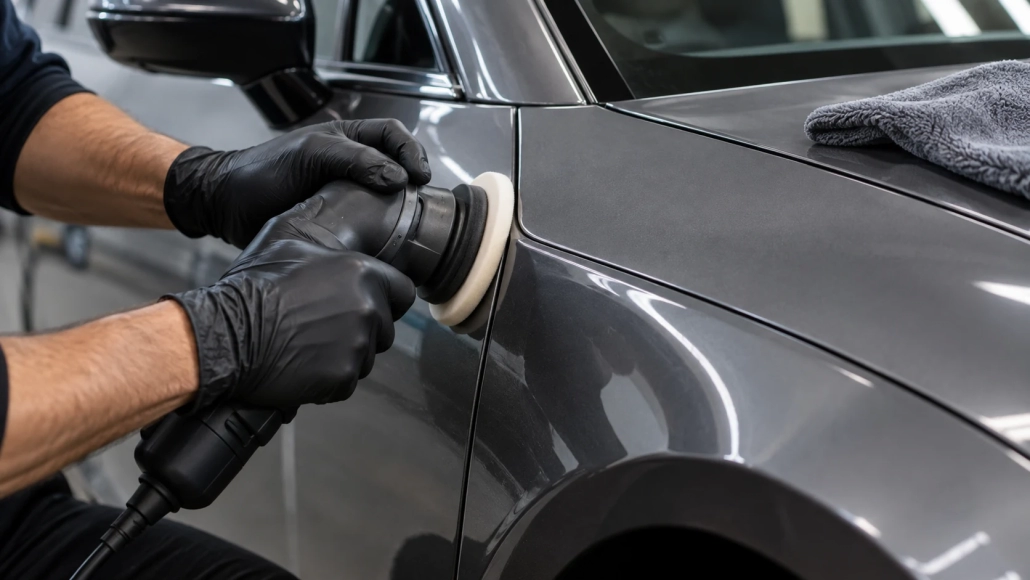
Inspect white paint with controlled lighting and separate contamination, swirls and clarity before choosing the correction process.
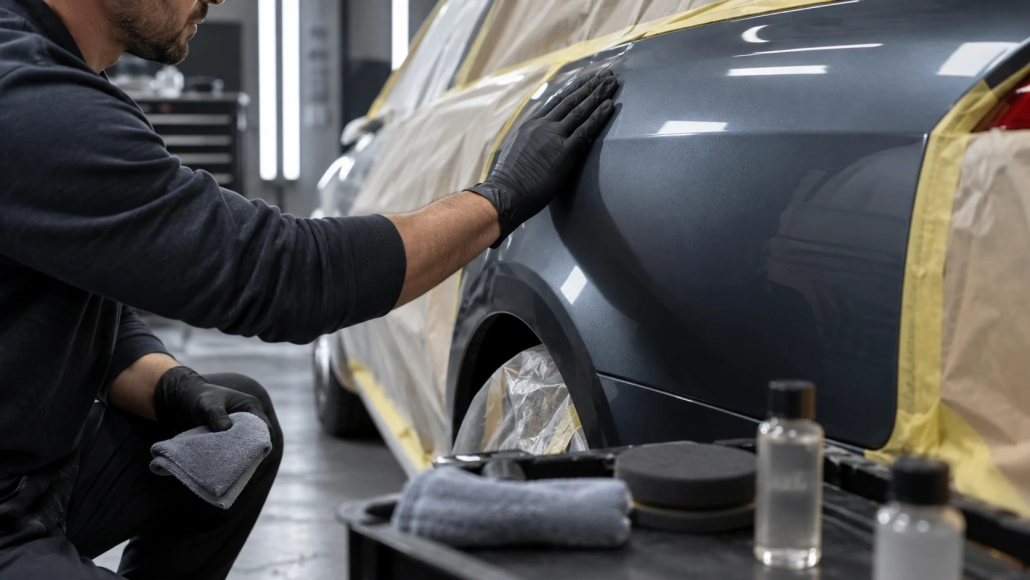
Confirm paint-system instructions, cure status and repair history before polishing a refinished panel or applying its final protection.
Separate chip repair from polishing, inspect unstable edges and agree realistic preparation before coating a stone-chipped panel.

 Polishing a Repainted Panel: Questions for the Bodyshop