
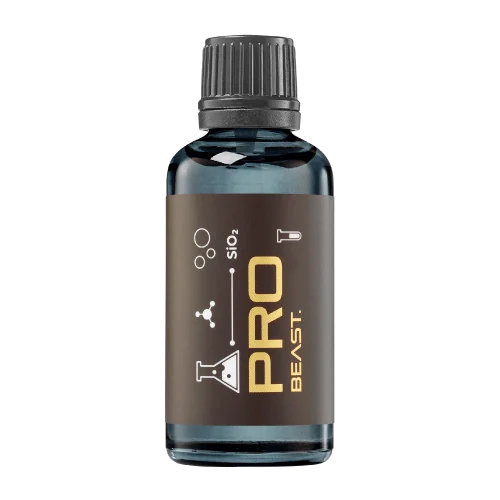

IN DEVELOPMENT / MATRIX SERIES
MATRIX ELITE P7020
The next flagship of the MATRIX series.
75%Solids content
Specialist chemistry. Expert application.
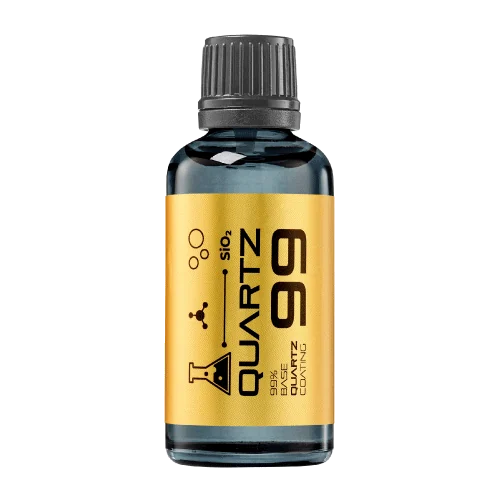 QUARTZ99 / CERAMIC BASE COAT
The foundation of your coating system.
A layerable quartz base coat designed for mechanical protection. Pair it with a suitable top coat to create the final finish.
For application by NANOLAB certified installers only.
Extended working time. A coating for the way you work.
 P5012MATRIX PRORefined protection for glossy finishes.Application1/10Discover P503GMATRIX GRAPHENEVersatile protection for gloss and matte finishes.Application1/10Discover P303MATRIX LITEFor efficient, high-volume detailing.Application1/10Discover
 Explore the BEAST family of ceramic coatings.
Find the coating for each exterior surface.
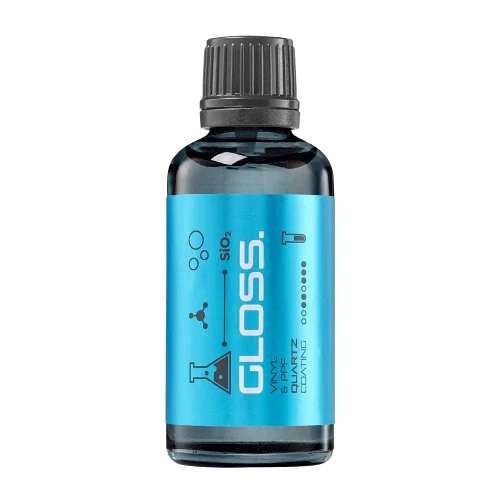 PPF & VINYLGLOSSProtection for glossy films and wraps.Application3/10Discover
 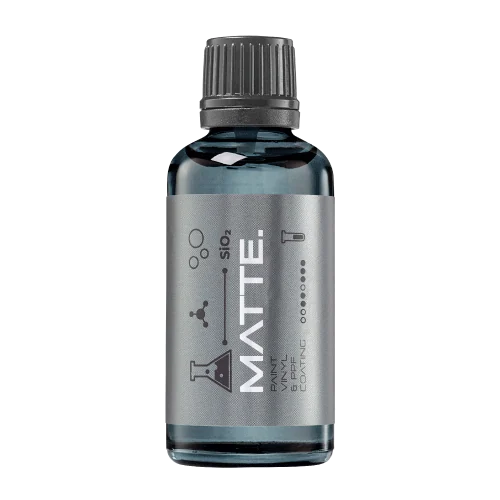 MATTE & SATINMATTEProtection that respects the finish.Application3/10Discover
 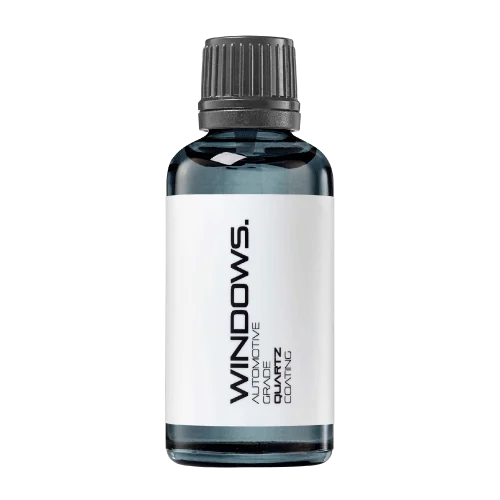 GLASSWINDOWSExplore dedicated glass protection.Application3/10Discover
 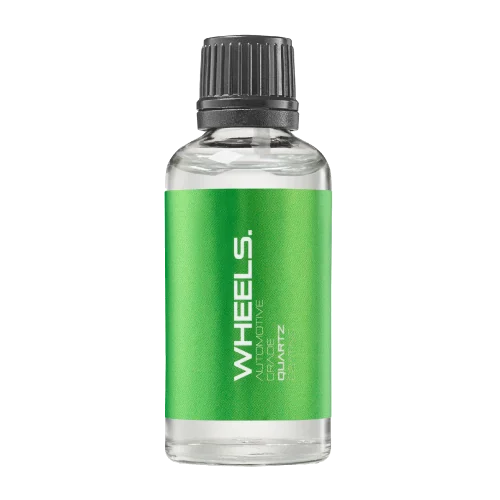 WHEEL PROTECTIONWHEELSA dedicated coating for your wheels.Application2/10Discover
 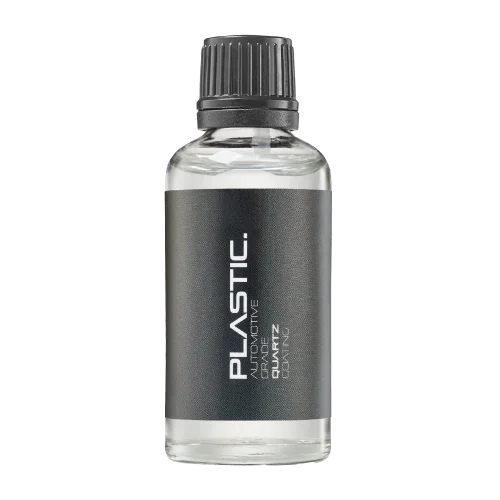 TRIM PROTECTIONPLASTICProtection for plastic surfaces.Application2/10Discover
 Dedicated care for the surfaces inside.
 LEATHER SURFACESLEATHERDiscover NANOLAB leather protection.Application5/10Discover PLASTIC SURFACESPLASTICProtection for interior plastic surfaces.Application2/10Discover TEXTILE SURFACESFABRICExplore the latest fabric formulation.Application2/10Discover
 Spray protection, maintenance and upcoming wash products.
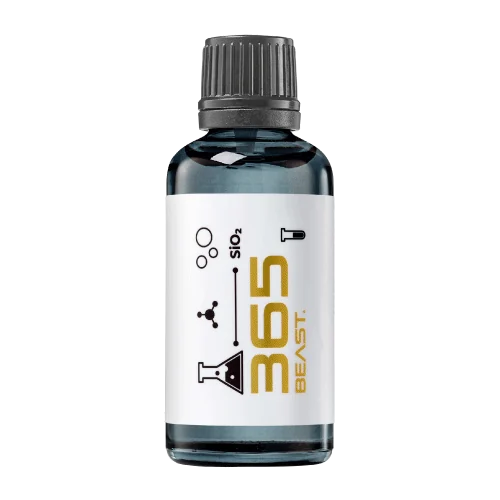 MAINTENANCEBEAST 365Explore the BEAST maintenance range.Application4/10Discover
 Next in washing, cleaning & care.
Ceramic protection for boats and yachts.
An easy-to-apply ceramic coating with an established track record on boats and yachts around the world.
Results vary with surface preparation, exposure and maintenance.
Read 50 MARINE guides →Explore MARINE Application4/10Protection for the surfaces you live with.
A look at what we’re developing.
The next flagship of the MATRIX series.
From cutting and one-step correction to final finishing.
A wider range for professional vehicle care.
Taking shape alongside BEAST & MATRIX.
Practical guidance for your next coating project.
Explore all guides →
Separate chip repair from polishing, inspect unstable edges and agree realistic preparation before coating a stone-chipped panel.
Updated · NANOLAB Knowledge
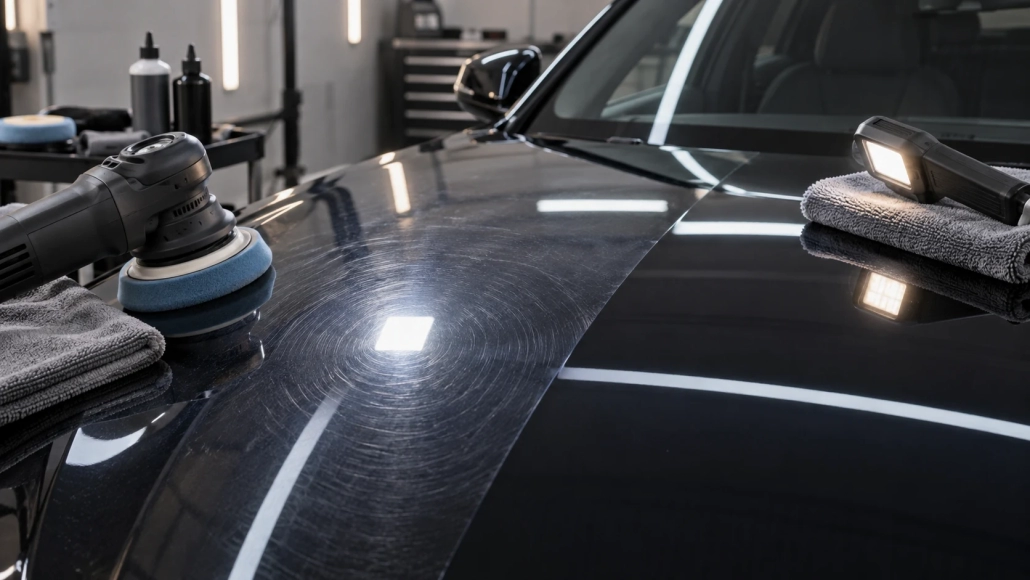
Stone chips create a different problem from ordinary wash marks. A chip may involve missing paint, an exposed edge or a previous touch-up. Polishing can improve some surrounding defects, but it does not replace missing material. Assess the chip and the broader finish before selecting a correction process.
Look for loose edges, previous repairs and other signs that the finish needs specialist attention. Record the location and condition under useful lighting. Do not pick at a chip to determine its depth or use polishing as a diagnostic test on an unstable edge.
The paint inspection guide helps establish the starting record. Where corrosion, paint failure or a repair question is present, resolve that before cosmetic protection is planned.
Explain which surrounding marks may improve and which chips will remain visible. If touch-up or refinishing is proposed, coordinate the sequence and readiness requirements with the repair provider. Do not promise that coating will fill a chip or make it disappear.
Use ceramic coating limitations to keep the protection discussion realistic. Gloss can change how a panel looks without restoring material that has been lost.
Consider the paint condition, chip edges and any recent repair when deciding whether and how to polish. Follow the tool and product guidance and avoid repeated aggressive work around an uncertain defect. A test area away from the chip may help establish the broader correction process.
The polishing stopping-point guide supports a decision to preserve the finish rather than pursue every mark. If correction risks disturbing the damaged area, a different scope may be appropriate.
Complete any agreed repair and follow the relevant surface and coating instructions for preparation and timing. Inspect for polishing residue around chip boundaries and do not hide unresolved contamination beneath another product.
Use the repainted-panel guide when refinishing is involved. At handover, identify remaining chips and explain that future impact damage is still possible; ceramic coating is not a substitute for impact protection or paint repair.
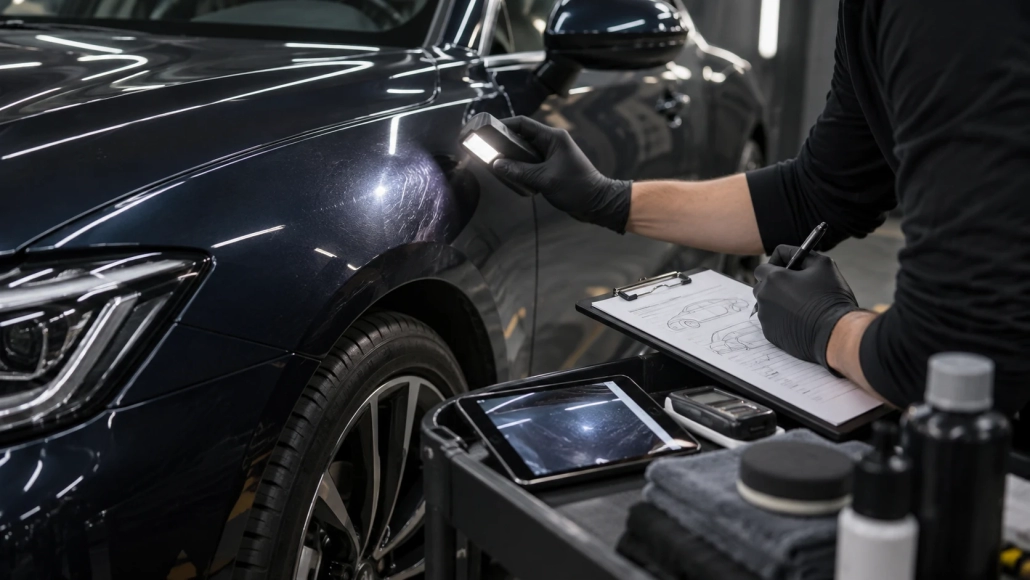
Create a useful record of paint condition, repairs and agreed correction limits before preparation and coating begin.
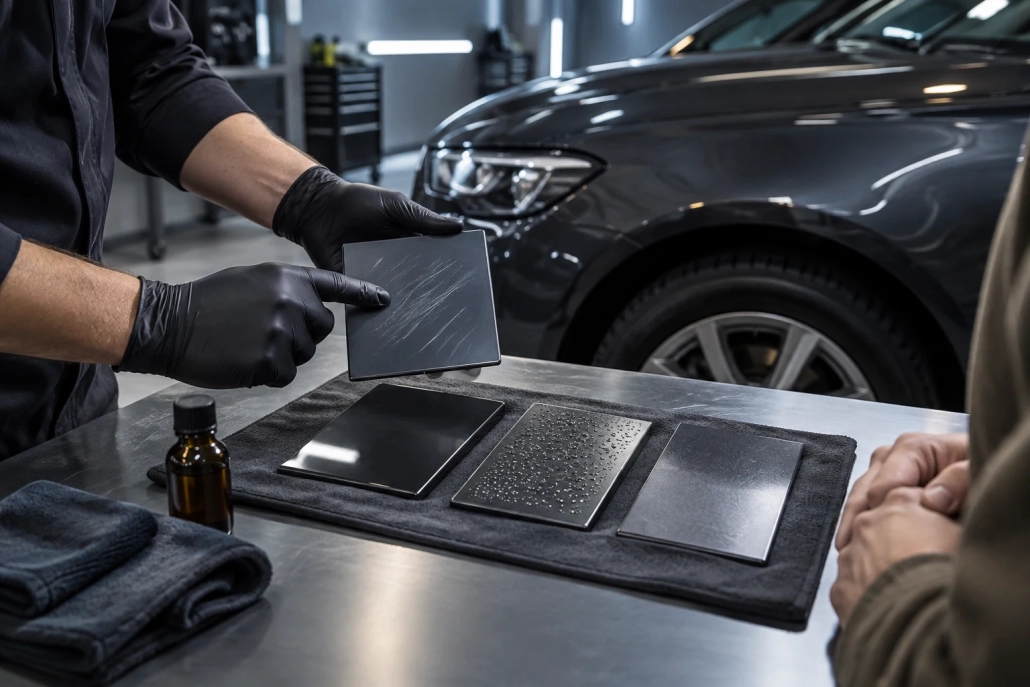
Set realistic expectations for scratches, stone chips, water spots and maintenance before choosing a ceramic coating for your vehicle.
Set a paint-correction stopping point that balances appearance, remaining defects, paint condition and the customer's intended use.
 Nano Coatings at Home: Start with the Surface