
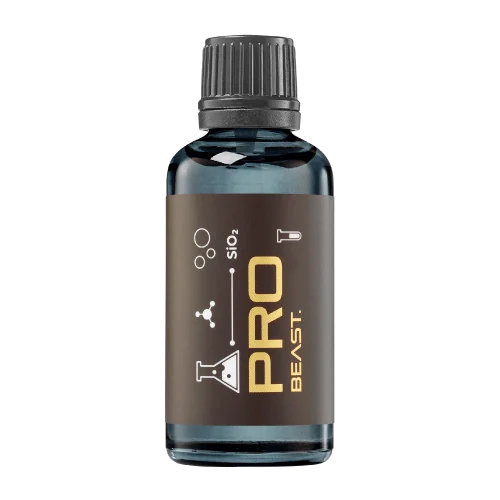

IN DEVELOPMENT / MATRIX SERIES
MATRIX ELITE P7020
The next flagship of the MATRIX series.
75%Solids content
Specialist chemistry. Expert application.
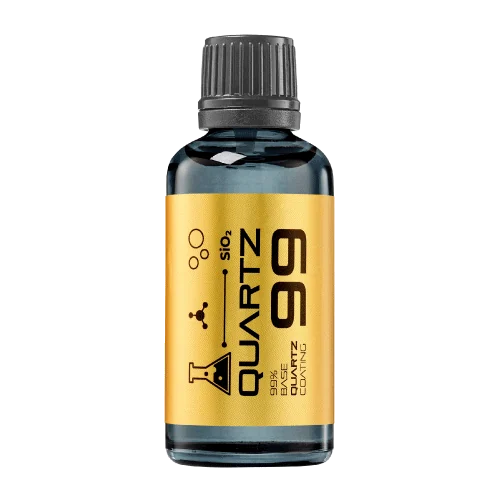 QUARTZ99 / CERAMIC BASE COAT
The foundation of your coating system.
A layerable quartz base coat designed for mechanical protection. Pair it with a suitable top coat to create the final finish.
For application by NANOLAB certified installers only.
Extended working time. A coating for the way you work.
 P5012MATRIX PRORefined protection for glossy finishes.Application1/10Discover P503GMATRIX GRAPHENEVersatile protection for gloss and matte finishes.Application1/10Discover P303MATRIX LITEFor efficient, high-volume detailing.Application1/10Discover
 Explore the BEAST family of ceramic coatings.
Find the coating for each exterior surface.
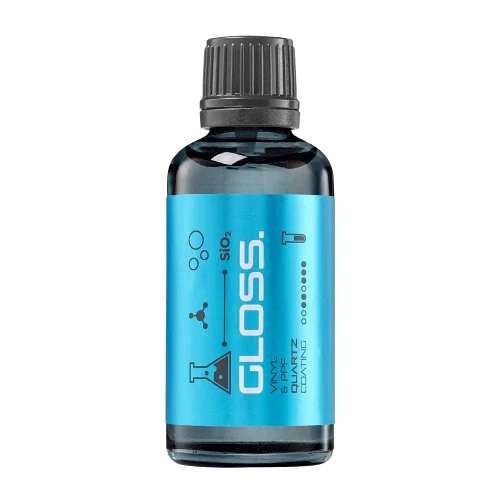 PPF & VINYLGLOSSProtection for glossy films and wraps.Application3/10Discover
 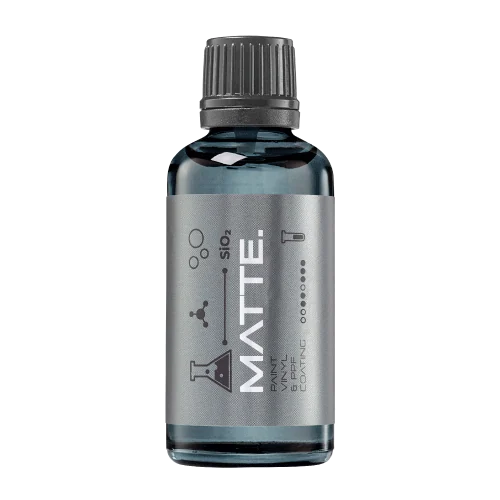 MATTE & SATINMATTEProtection that respects the finish.Application3/10Discover
 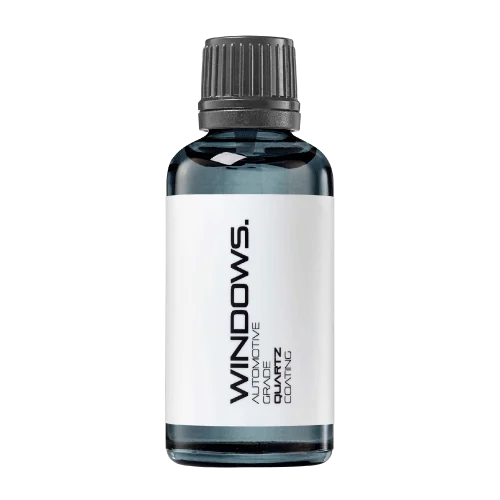 GLASSWINDOWSExplore dedicated glass protection.Application3/10Discover
 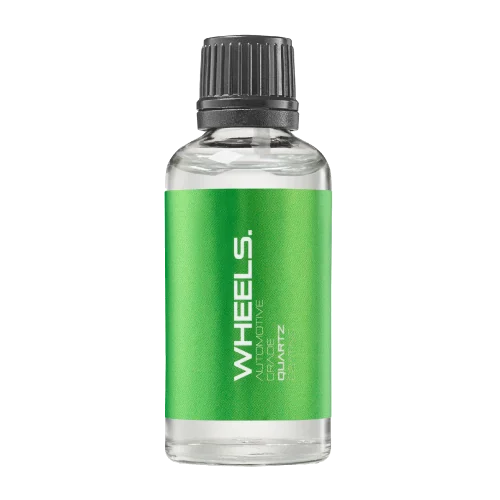 WHEEL PROTECTIONWHEELSA dedicated coating for your wheels.Application2/10Discover
 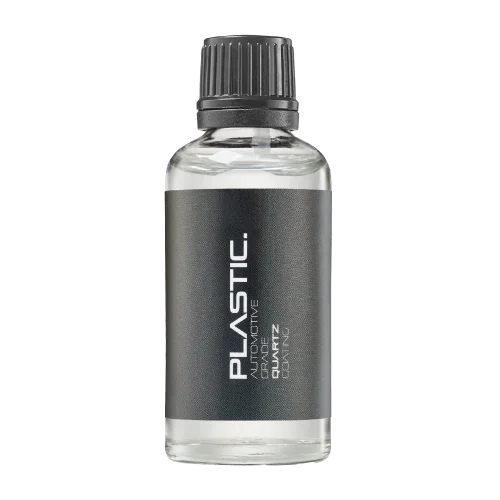 TRIM PROTECTIONPLASTICProtection for plastic surfaces.Application2/10Discover
 Dedicated care for the surfaces inside.
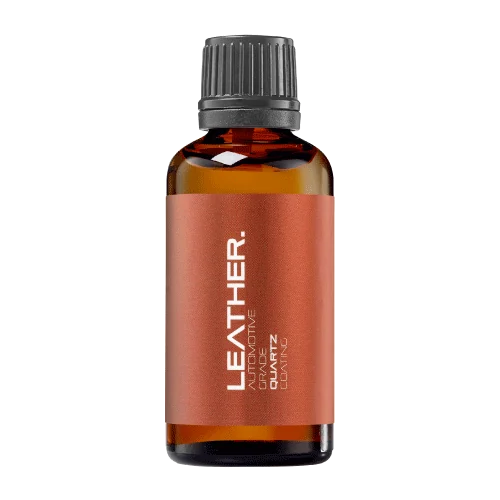 LEATHER SURFACESLEATHERDiscover NANOLAB leather protection.Application5/10Discover PLASTIC SURFACESPLASTICProtection for interior plastic surfaces.Application2/10Discover TEXTILE SURFACESFABRICExplore the latest fabric formulation.Application2/10Discover
 Spray protection, maintenance and upcoming wash products.
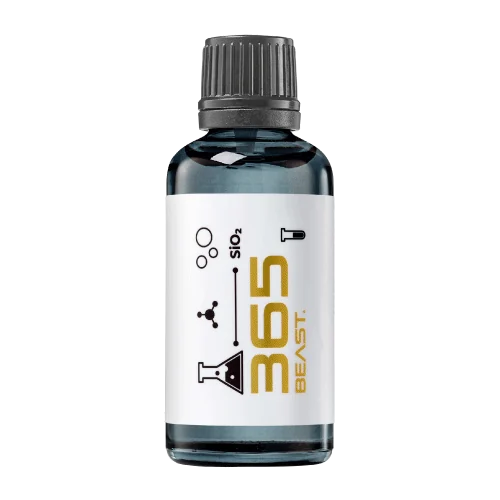 MAINTENANCEBEAST 365Explore the BEAST maintenance range.Application4/10Discover
 Next in washing, cleaning & care.
Ceramic protection for boats and yachts.
An easy-to-apply ceramic coating with an established track record on boats and yachts around the world.
Results vary with surface preparation, exposure and maintenance.
Read 50 MARINE guides →Explore MARINE Application4/10Protection for the surfaces you live with.
A look at what we’re developing.
The next flagship of the MATRIX series.
From cutting and one-step correction to final finishing.
A wider range for professional vehicle care.
Taking shape alongside BEAST & MATRIX.
Practical guidance for your next coating project.
Explore all guides →
Assess the mark and protection history before spot polishing, then plan how the affected area's coating will be evaluated and restored if needed.
Updated · NANOLAB Knowledge
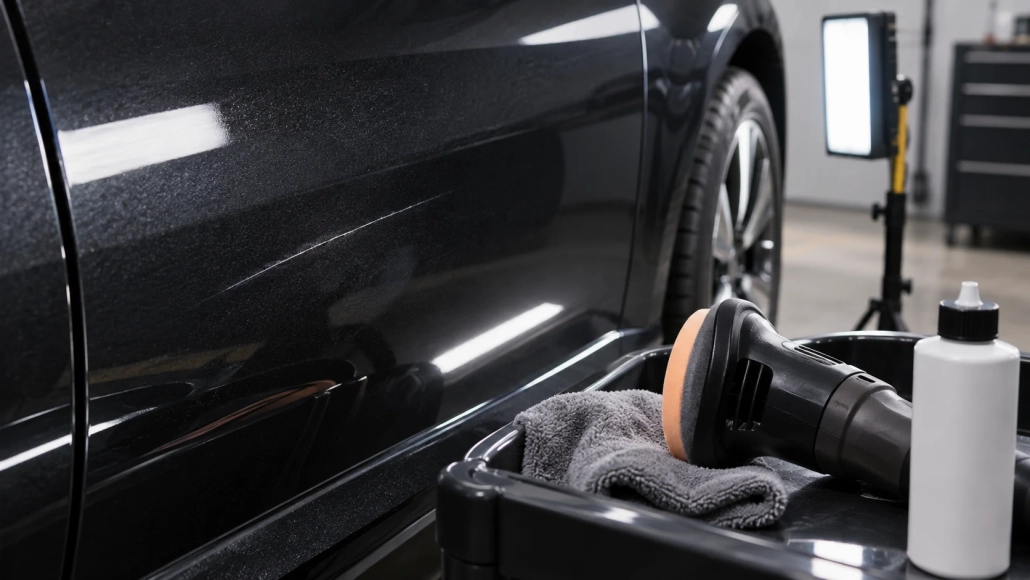
Spot polishing a coated panel is a correction decision, not ordinary maintenance. Abrasive work can alter the protective surface along with the defect being addressed. Before starting, establish whether the mark actually requires polishing and how the treated area will be brought back into a documented protection system.
Clean and inspect the area using a compatible process. Distinguish removable contamination, coating residue and damage in the finish as far as possible. Do not begin polishing simply because a mark remains after one casual wipe.
Use the scratches on ceramic coatings guide for the assessment. The location and appearance of a scratch do not reliably establish which layer is affected without further evaluation.
Identify the coating, installation date and any additional products used. Check for film or a repaired surface in the affected area. The appropriate correction and reapplication process depends on that history and the product instructions.
The unknown coating guide is relevant when the original system cannot be established. Avoid assuming that another coating can simply be blended over any polished patch without preparation requirements.
Assess paint condition and the likelihood of a useful improvement before selecting the tool and abrasive process. Keep the work controlled and inspect the result. Do not chase a deep isolated mark beyond an appropriate stopping point.
Use isolated-scratch polishing to frame the decision. A local improvement may be preferable to excessive correction, and some defects should remain or be referred for another repair method.
After correction, follow the coating manufacturer’s preparation and reapplication guidance for the affected area. The required scope may differ from the small visual mark that prompted the work. Observe any new cure restrictions and record exactly what was treated.
Use the return-visit handover guide to explain the result. Do not describe a local correction and reapplication as renewal of the entire vehicle’s coating or assume unchanged protection where abrasion has occurred.
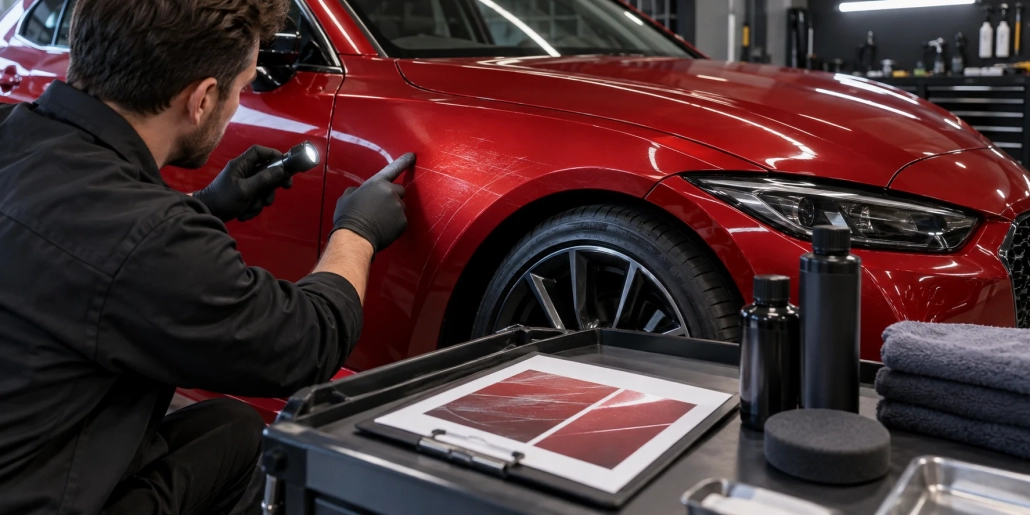
Assess new marks without assuming they are limited to the coating, and plan correction around paint preservation and the affected area.
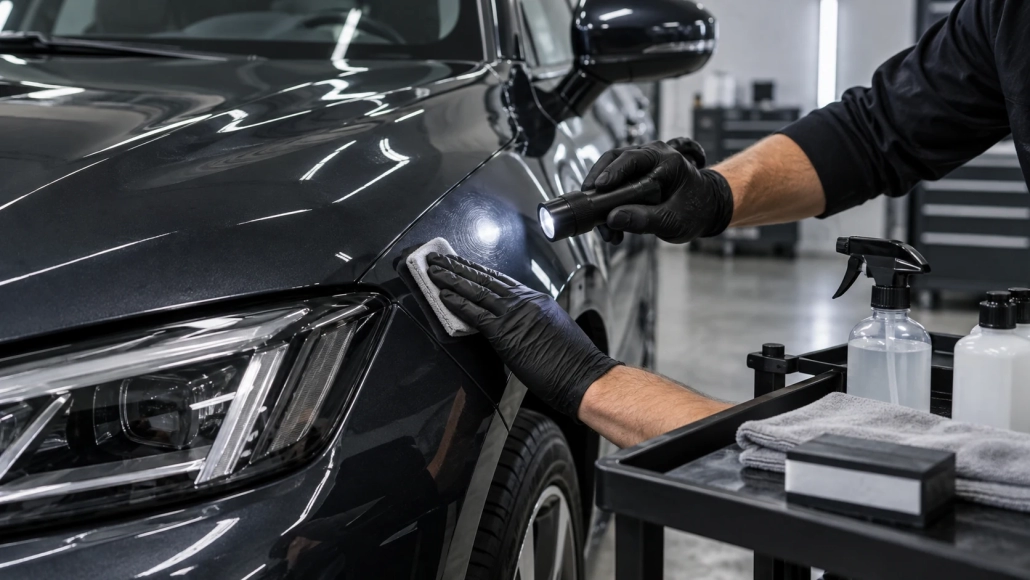
Handle an uncertain protection history through records, inspection and a confirmed preparation process before applying a new coating.
Assess an isolated paint scratch by its location, paint history and response to a conservative test instead of chasing complete removal.

 Assessing Stone-Chipped Paint Before Polishing and Coating