






A full polishing range.
From cutting and one-step correction to final finishing.
Specialist chemistry. Expert application.
 QUARTZ99 / CERAMIC BASE COAT
The foundation of your coating system.
A layerable quartz base coat designed for mechanical protection. Pair it with a suitable top coat to create the final finish.
For application by NANOLAB certified installers only.
Four formulas. Extended working time. Find the coating for your finish.
Explore the BEAST family of ceramic coatings.
Find the coating for each exterior surface.
 PPF & VINYLGLOSSProtection for glossy films and wraps.Discover
 MATTE & SATINMATTEProtection that respects the finish.Discover
 GLASSWINDOWSExplore dedicated glass protection.Discover
 WHEEL PROTECTIONWHEELSA dedicated coating for your wheels.Discover
 TRIM PROTECTIONPLASTICProtection for plastic surfaces.Discover
Dedicated care for the surfaces inside.
 LEATHER SURFACESLEATHERDiscover NANOLAB leather protection.Discover PLASTIC SURFACESPLASTICProtection for interior plastic surfaces.Discover TEXTILE SURFACESFABRICExplore the latest fabric formulation.Discover
Spray protection, maintenance and upcoming wash products.
 MAINTENANCEBEAST 365Explore the BEAST maintenance range.Discover
Next in washing, cleaning & care.
Ceramic protection for boats and yachts.
An easy-to-apply ceramic coating with an established track record on boats and yachts around the world.
Results vary with surface preparation, exposure and maintenance.
Read 50 MARINE guides →Explore MARINEProtection for the surfaces you live with.
A look at what we’re developing.
From cutting and one-step correction to final finishing.
A wider range for professional vehicle care.
Taking shape alongside BEAST & MATRIX.
Practical guidance for your next coating project.
Explore all guides →
Practical guides for vehicle care, boats, living spaces, shower glass, stainless steel and private-label coating projects.
Explore 3219 guides, covering surface preparation, product selection, application and everyday maintenance.

Understand how a proposed nano coating relates to galvanised steel, and what to verify about the zinc finish, preparation and service conditions.
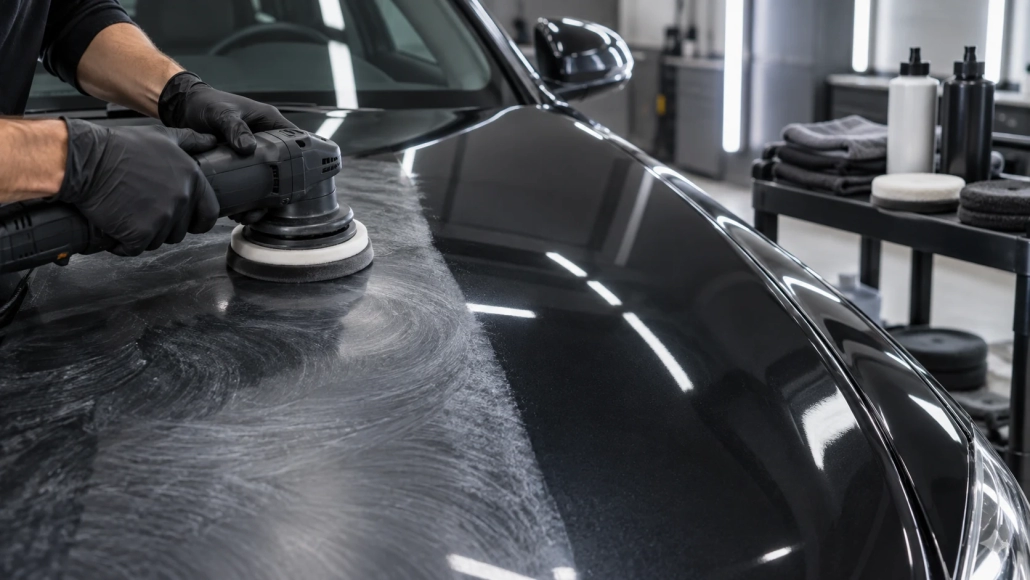
Use finishing polish to refine light process marks and assess final clarity, while keeping deeper defect removal separate from the finishing decision.
Plan a nano coating trial for painted steel doors and cabinets, checking the paint system, repeated handling, cleaning and functional exclusions.
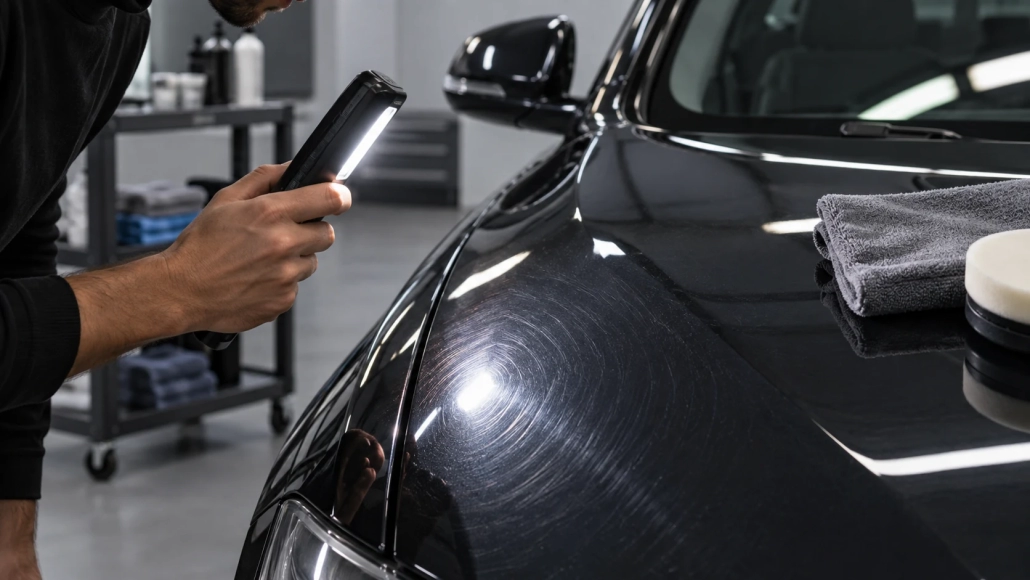
Compare fine and ultra-fine polishing by the remaining defect pattern and demonstrate whether another stage improves the cleaned finish.
Assess a nano coating proposal for bare carbon steel by defining corrosion requirements, exposure, evidence and the limits of a cosmetic trial.
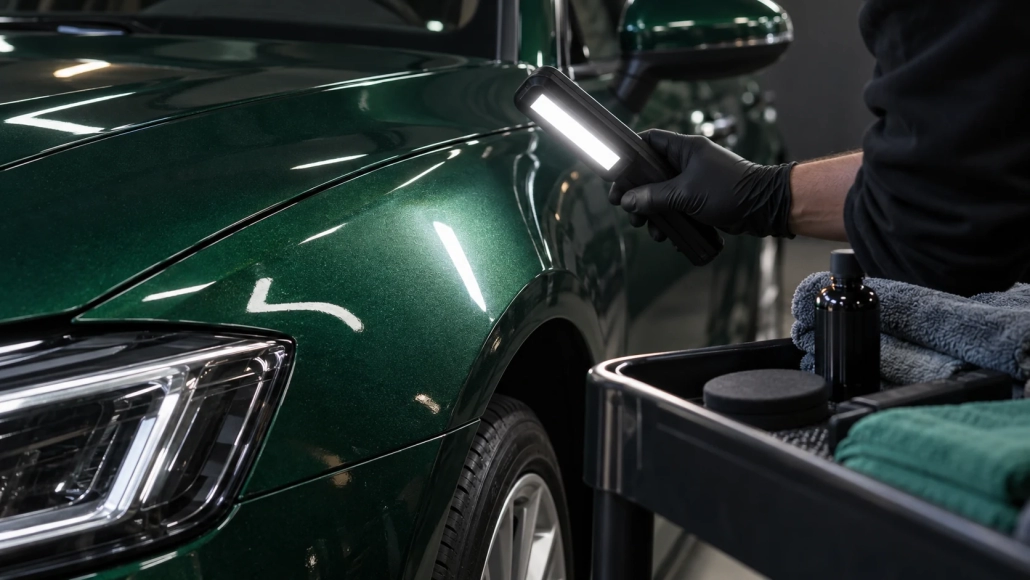
Plan black-car finishing around consistent lighting, clean pads and careful residue removal so shine does not conceal haze or fresh towel marks.
Understand why a nano coating demonstration does not establish galvanic isolation, and what to review before treating mixed-metal assemblies.
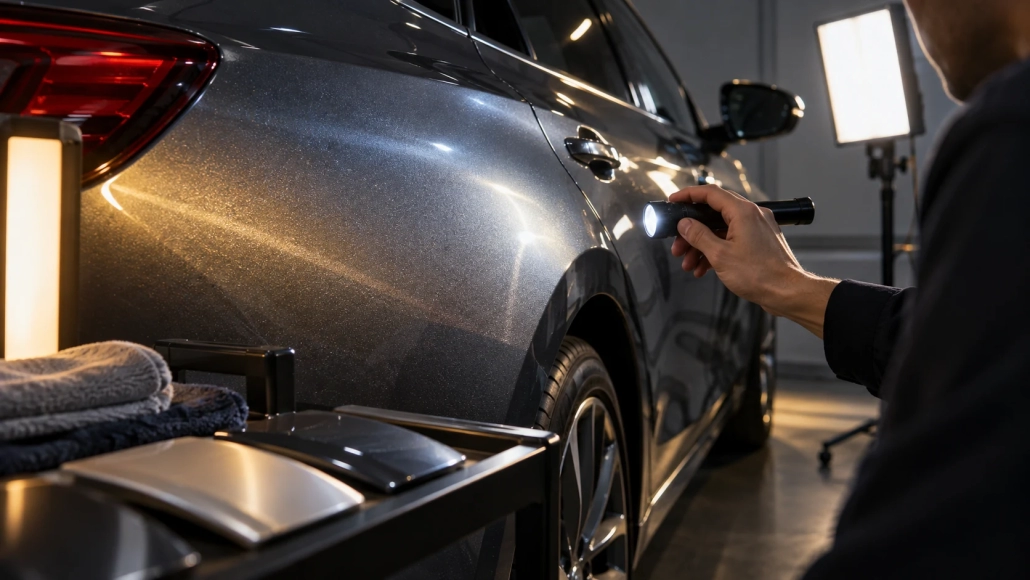
Assess swirls, haze and reflection clarity on metallic or pearl finishes without confusing pigment effects with the condition of the clear coat.
Define coating boundaries around fasteners, threads and contact surfaces so a decorative metal treatment does not interfere with assembly requirements.
Evaluate jeweling as an optional refinement process and use a controlled comparison to decide whether it adds visible value to the finish.
Plan coating access, preparation and inspection for perforated metal panels, including hole edges, finish differences and visible residue.
Diagnose fine haze after DA polishing and isolate pad, residue-removal and finishing variables before repeating correction.