






A full polishing range.
From cutting and one-step correction to final finishing.
Specialist chemistry. Expert application.
 QUARTZ99 / CERAMIC BASE COAT
The foundation of your coating system.
A layerable quartz base coat designed for mechanical protection. Pair it with a suitable top coat to create the final finish.
For application by NANOLAB certified installers only.
Four formulas. Extended working time. Find the coating for your finish.
Explore the BEAST family of ceramic coatings.
Find the coating for each exterior surface.
 PPF & VINYLGLOSSProtection for glossy films and wraps.Discover
 MATTE & SATINMATTEProtection that respects the finish.Discover
 GLASSWINDOWSExplore dedicated glass protection.Discover
 WHEEL PROTECTIONWHEELSA dedicated coating for your wheels.Discover
 TRIM PROTECTIONPLASTICProtection for plastic surfaces.Discover
Dedicated care for the surfaces inside.
 LEATHER SURFACESLEATHERDiscover NANOLAB leather protection.Discover PLASTIC SURFACESPLASTICProtection for interior plastic surfaces.Discover TEXTILE SURFACESFABRICExplore the latest fabric formulation.Discover
Spray protection, maintenance and upcoming wash products.
 MAINTENANCEBEAST 365Explore the BEAST maintenance range.Discover
Next in washing, cleaning & care.
Ceramic protection for boats and yachts.
An easy-to-apply ceramic coating with an established track record on boats and yachts around the world.
Results vary with surface preparation, exposure and maintenance.
Read 50 MARINE guides →Explore MARINEProtection for the surfaces you live with.
A look at what we’re developing.
From cutting and one-step correction to final finishing.
A wider range for professional vehicle care.
Taking shape alongside BEAST & MATRIX.
Practical guidance for your next coating project.
Explore all guides →
Practical guides for vehicle care, boats, living spaces, shower glass, stainless steel and private-label coating projects.
Explore 3219 guides, covering surface preparation, product selection, application and everyday maintenance.

Close a coating complaint with verified corrective work and a follow-up check that shows whether the underlying process improved.
Preserve highlight detail when photographing coated paint so camera exposure does not hide haze, texture or remaining defects.
Use a fixed white-balance reference when documenting coating work to distinguish colour changes from the camera’s automatic corrections.
Understand how a polarising filter changes reflections in coating photographs and keep filter settings consistent in comparison images.
Add a non-contact size reference and a fixed camera position when photographing water spots to make later comparisons interpretable.
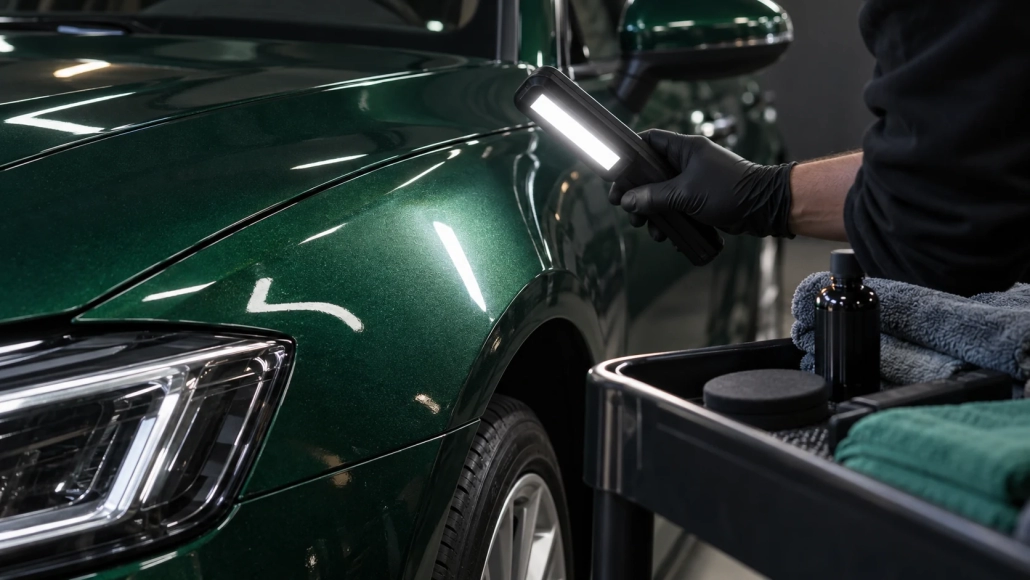
Keep focus, magnification and camera distance fixed when comparing surface reflections, especially in close photographs of coated paint.
Preserve original images when investigating paint haze because messaging compression and automatic enhancement can remove useful surface detail.
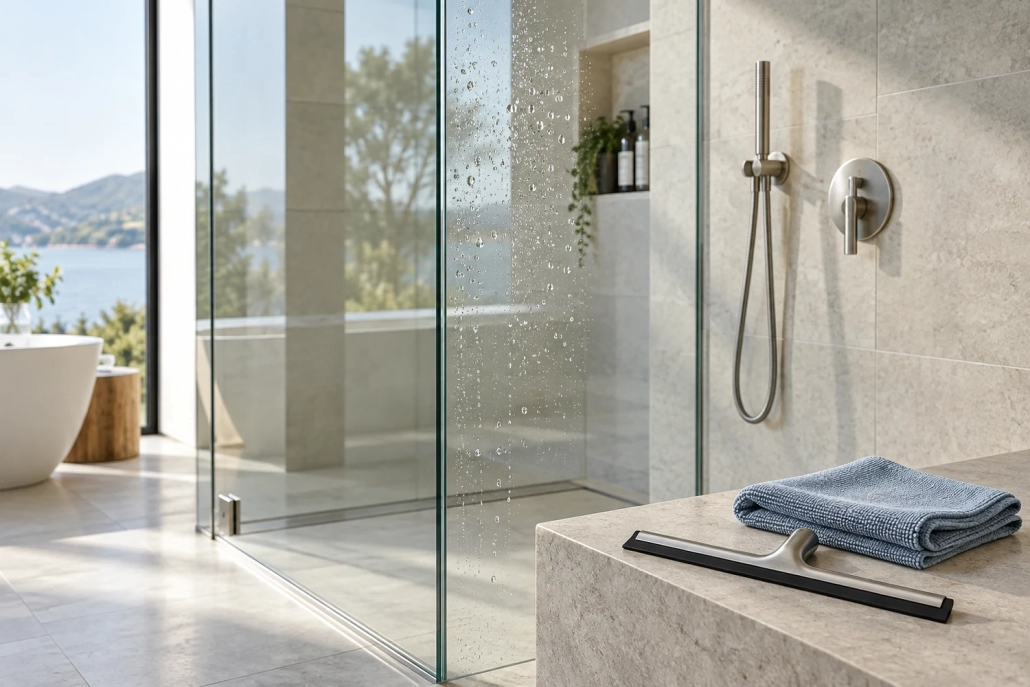
Build a repeatable glass-inspection arrangement using fixed light positions, backgrounds and viewing locations to investigate faint coating streaks.
Document matte coated surfaces under a stable lighting geometry so changing reflections are not mistaken for gloss patches or darkening.
Code coating photographs before review to reduce label-driven judgements and record which visual differences reviewers can actually reproduce.
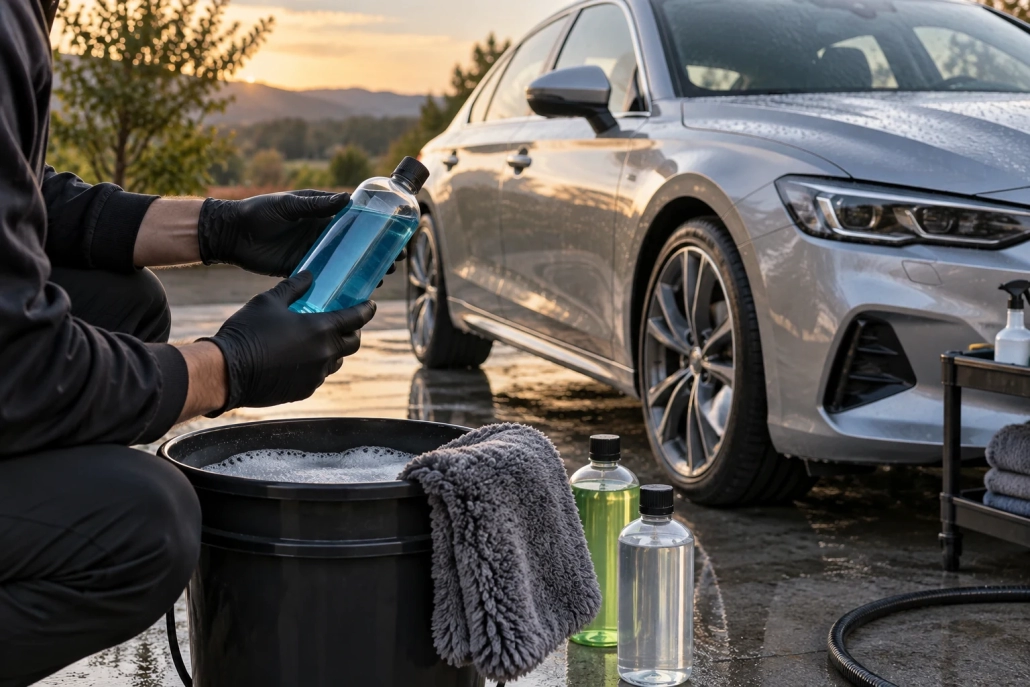
Document cleaning in stages so a wet intermediate surface is not presented as the final result of maintaining a ceramic coating.
Investigate contact-angle changes caused by dosing-needle carryover before attributing them to a difference between coating samples.