






A full polishing range.
From cutting and one-step correction to final finishing.
Specialist chemistry. Expert application.
 QUARTZ99 / CERAMIC BASE COAT
The foundation of your coating system.
A layerable quartz base coat designed for mechanical protection. Pair it with a suitable top coat to create the final finish.
For application by NANOLAB certified installers only.
Four formulas. Extended working time. Find the coating for your finish.
Explore the BEAST family of ceramic coatings.
Find the coating for each exterior surface.
 PPF & VINYLGLOSSProtection for glossy films and wraps.Discover
 MATTE & SATINMATTEProtection that respects the finish.Discover
 GLASSWINDOWSExplore dedicated glass protection.Discover
 WHEEL PROTECTIONWHEELSA dedicated coating for your wheels.Discover
 TRIM PROTECTIONPLASTICProtection for plastic surfaces.Discover
Dedicated care for the surfaces inside.
 LEATHER SURFACESLEATHERDiscover NANOLAB leather protection.Discover PLASTIC SURFACESPLASTICProtection for interior plastic surfaces.Discover TEXTILE SURFACESFABRICExplore the latest fabric formulation.Discover
Spray protection, maintenance and upcoming wash products.
 MAINTENANCEBEAST 365Explore the BEAST maintenance range.Discover
Next in washing, cleaning & care.
Ceramic protection for boats and yachts.
An easy-to-apply ceramic coating with an established track record on boats and yachts around the world.
Results vary with surface preparation, exposure and maintenance.
Read 50 MARINE guides →Explore MARINEProtection for the surfaces you live with.
A look at what we’re developing.
From cutting and one-step correction to final finishing.
A wider range for professional vehicle care.
Taking shape alongside BEAST & MATRIX.
Practical guidance for your next coating project.
Explore all guides →
Improve intake, documentation, scheduling, quality checks and aftercare for coating jobs.
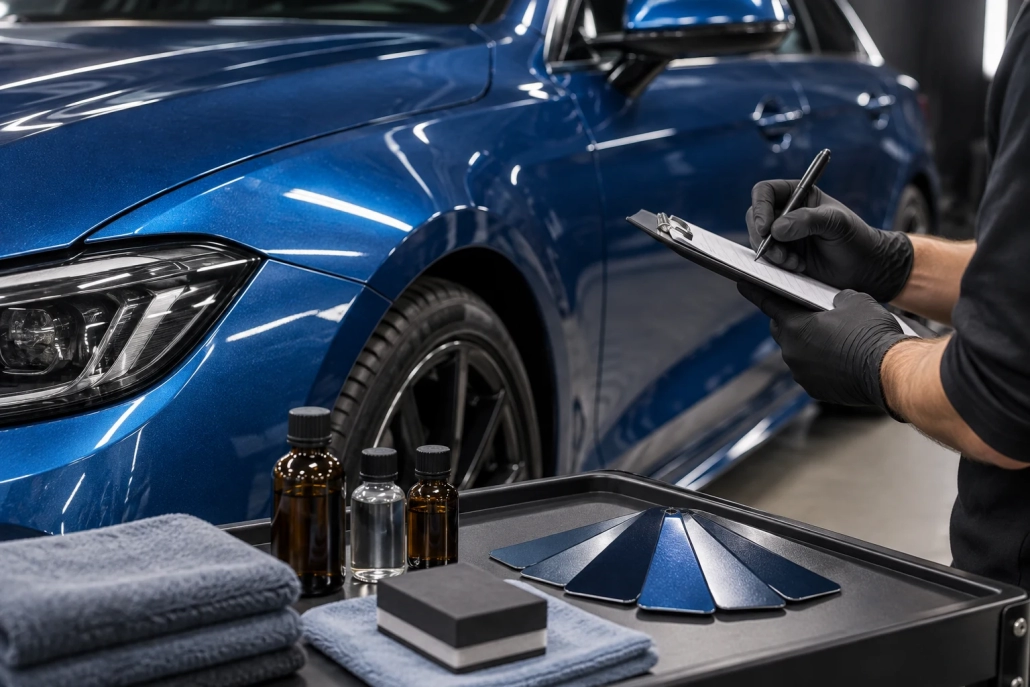
Build a clearer job estimate by separating active work, bay occupancy and the coating's required curing period.
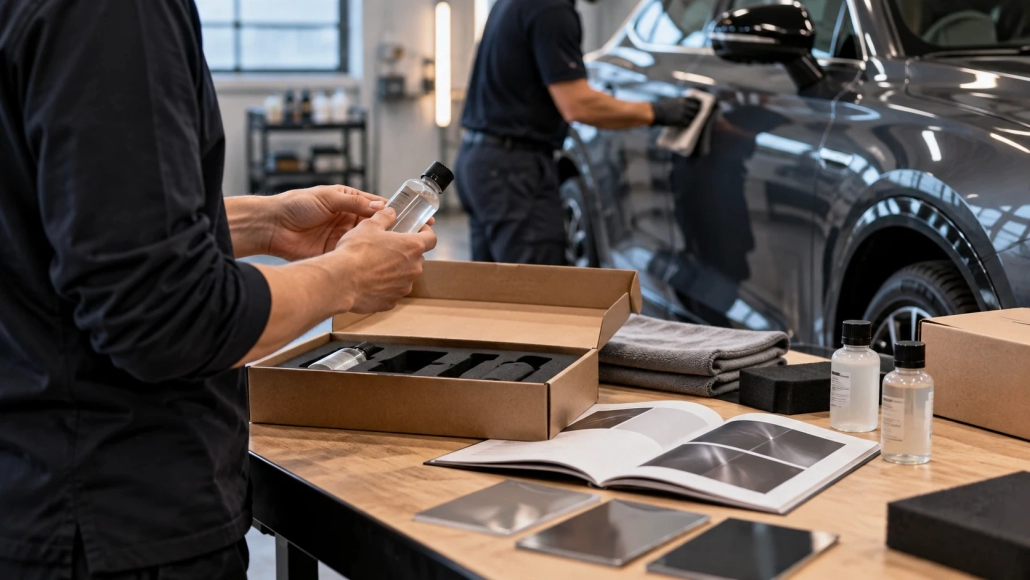
Track towels, applicators and preparation products by job so a detailing team can plan stock without sacrificing clean working practices.
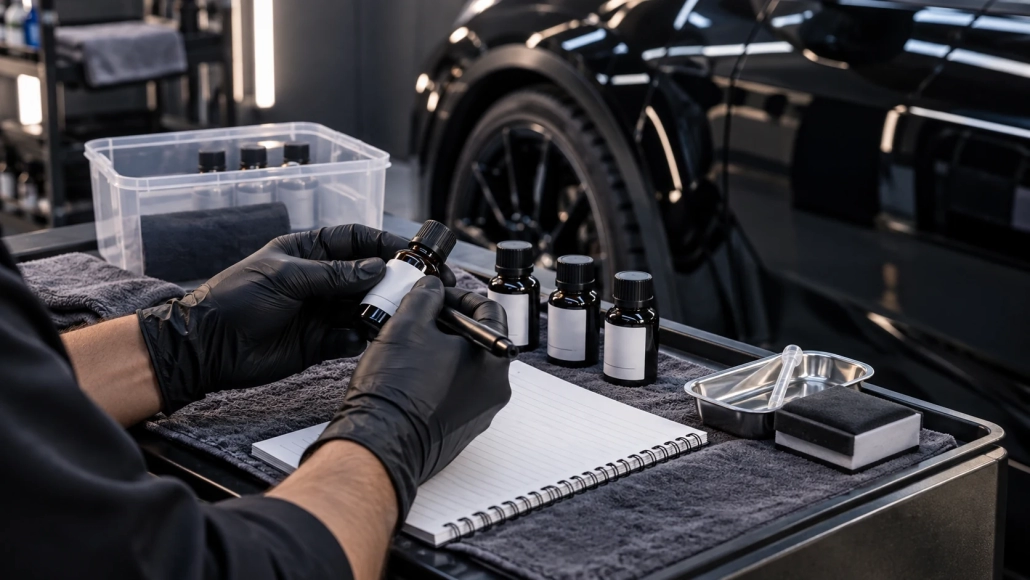
Keep opened-bottle identity and storage history clear without confusing the opening date with an invented universal shelf-life rule.

Organise similar coating bottles by product role, surface and batch so the correct formula reaches each job.

Assess observable coating-work skills with a defined task, clear criteria and a documented result.
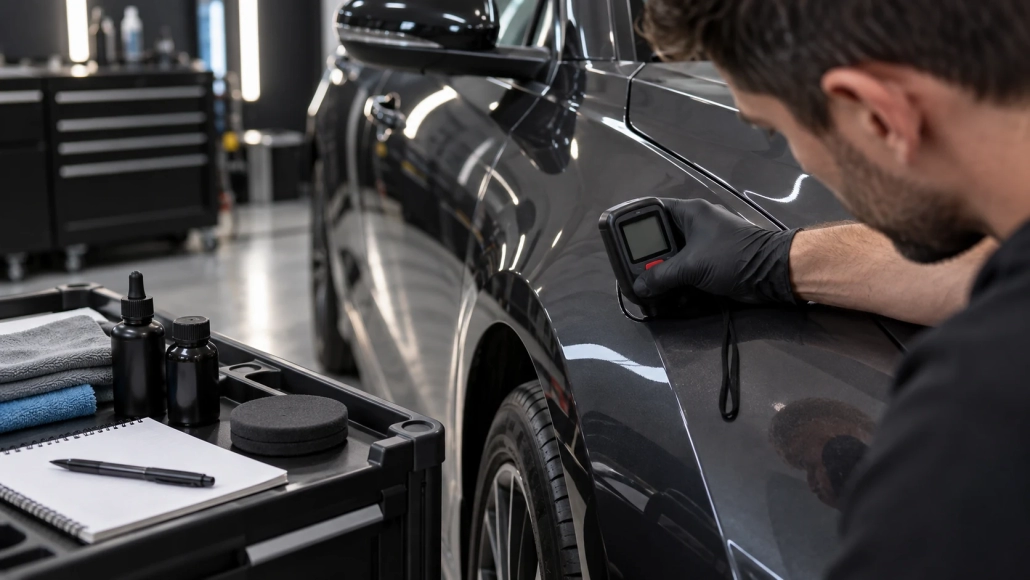
Review the limits of paint-gauge before-and-after readings when assessing a thin ceramic coating, including total film thickness and measurement uncertainty.
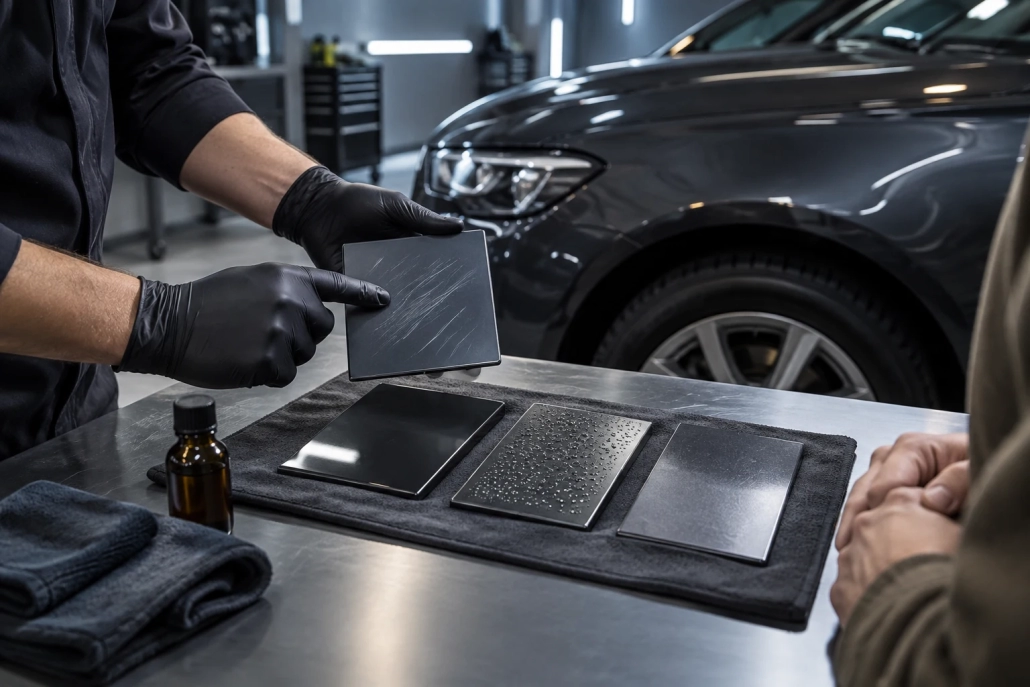
Read nano coating adhesion reports by checking the substrate, preparation, test method and failure observation instead of relying on a pass label alone.
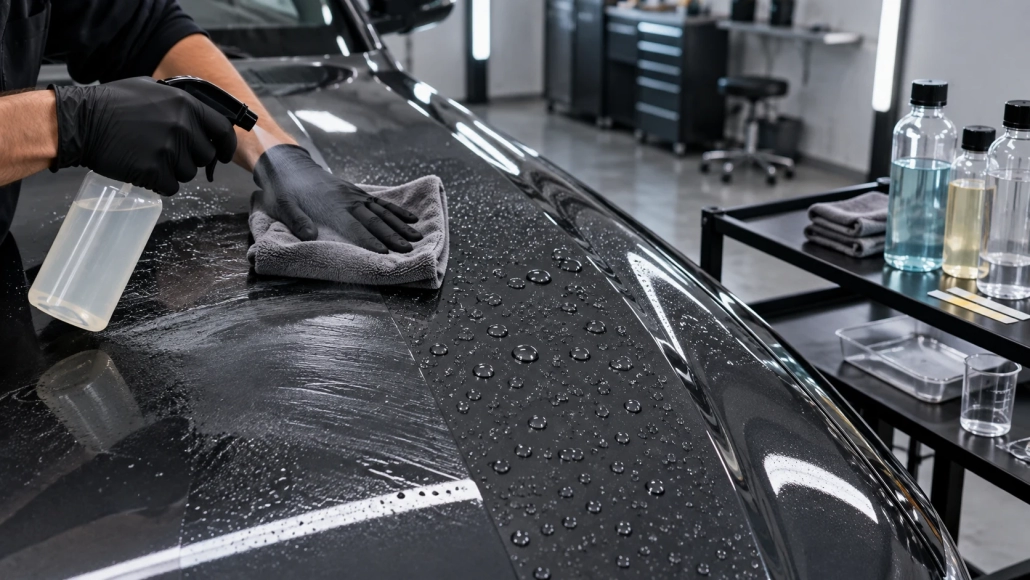
Distinguish spot, wipe and immersion tests when reading ceramic coating chemical-resistance claims, with attention to concentration, time and failure criteria.
Separate a coating’s own weathering resistance from claims that it blocks UV or protects the underlying finish, and ask for the right evidence.
Interpret salt-spray reports for nano-coated metals by checking the complete specimen system, acceptance criteria and limits of outdoor-life predictions.
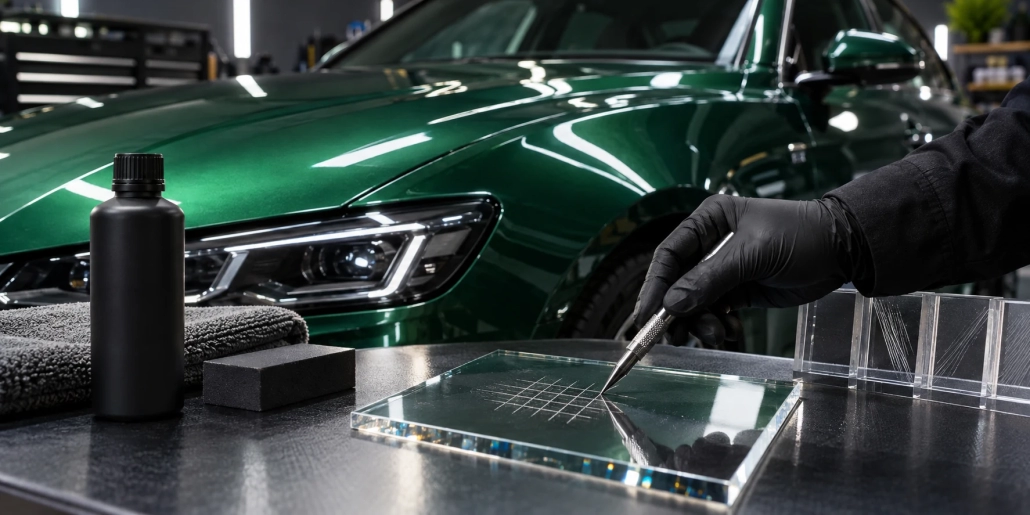
Distinguish pencil hardness from abrasion resistance when comparing ceramic coatings, and read the test method, substrate and failure measure behind each claim.

Evaluate a nano coating’s appearance beyond gloss alone, distinguishing reflected-image clarity, haze and the underlying surface texture.