






A full polishing range.
From cutting and one-step correction to final finishing.
Specialist chemistry. Expert application.
 QUARTZ99 / CERAMIC BASE COAT
The foundation of your coating system.
A layerable quartz base coat designed for mechanical protection. Pair it with a suitable top coat to create the final finish.
For application by NANOLAB certified installers only.
Four formulas. Extended working time. Find the coating for your finish.
Explore the BEAST family of ceramic coatings.
Find the coating for each exterior surface.
 PPF & VINYLGLOSSProtection for glossy films and wraps.Discover
 MATTE & SATINMATTEProtection that respects the finish.Discover
 GLASSWINDOWSExplore dedicated glass protection.Discover
 WHEEL PROTECTIONWHEELSA dedicated coating for your wheels.Discover
 TRIM PROTECTIONPLASTICProtection for plastic surfaces.Discover
Dedicated care for the surfaces inside.
 LEATHER SURFACESLEATHERDiscover NANOLAB leather protection.Discover PLASTIC SURFACESPLASTICProtection for interior plastic surfaces.Discover TEXTILE SURFACESFABRICExplore the latest fabric formulation.Discover
Spray protection, maintenance and upcoming wash products.
 MAINTENANCEBEAST 365Explore the BEAST maintenance range.Discover
Next in washing, cleaning & care.
Ceramic protection for boats and yachts.
An easy-to-apply ceramic coating with an established track record on boats and yachts around the world.
Results vary with surface preparation, exposure and maintenance.
Read 50 MARINE guides →Explore MARINEProtection for the surfaces you live with.
A look at what we’re developing.
From cutting and one-step correction to final finishing.
A wider range for professional vehicle care.
Taking shape alongside BEAST & MATRIX.
Practical guidance for your next coating project.
Explore all guides →
Choose car polish, heavy cut compound, fine cut and finishing polish. Explore dual action techniques, pad selection, defect diagnosis and paint protection.
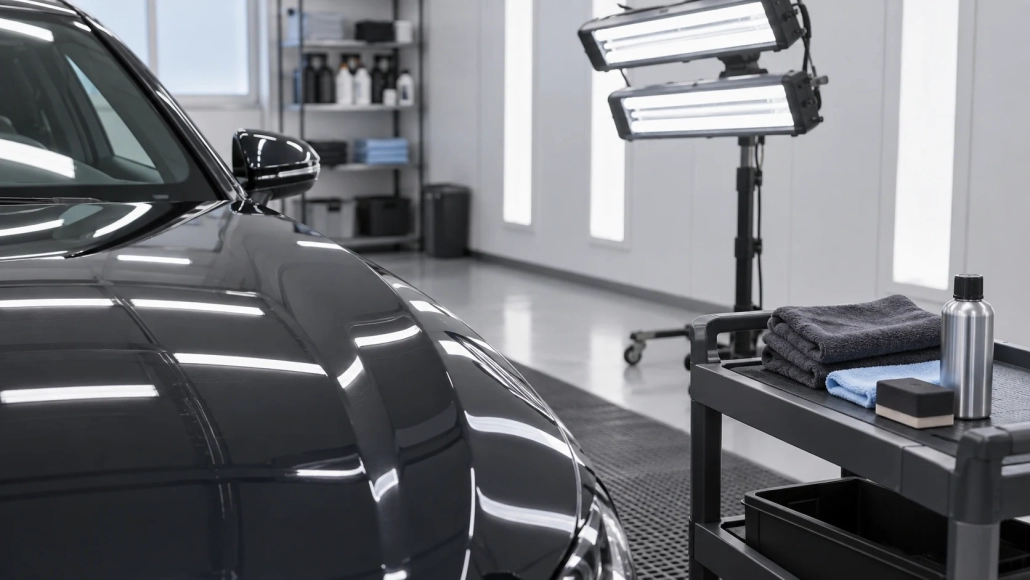
Separate routine cleaning and protection renewal from abrasive correction, and choose polishing frequency from actual defects and paint history.
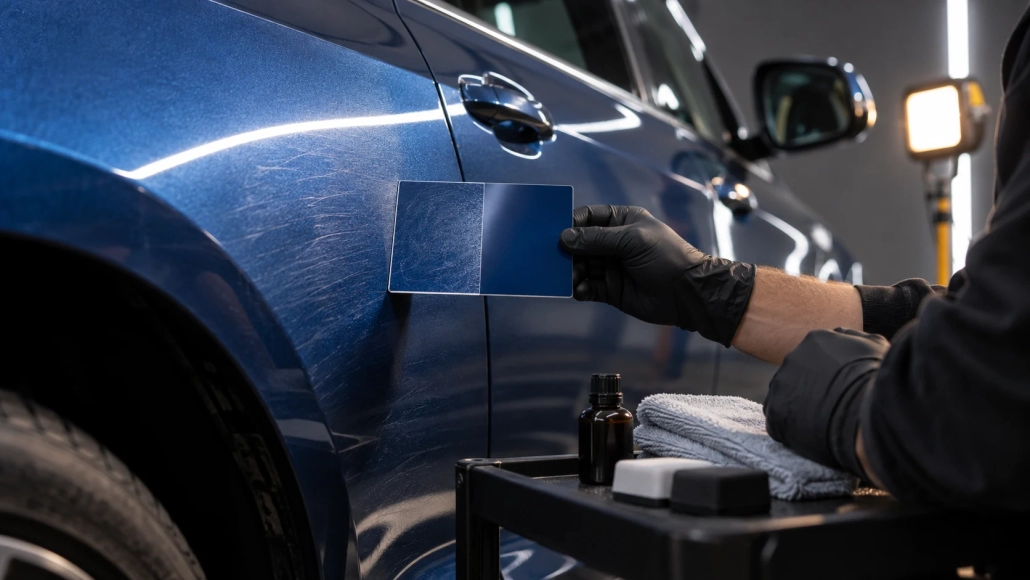
Assess delivery condition and desired finish before polishing a new vehicle, without assuming either perfect paint or a need for heavy correction.
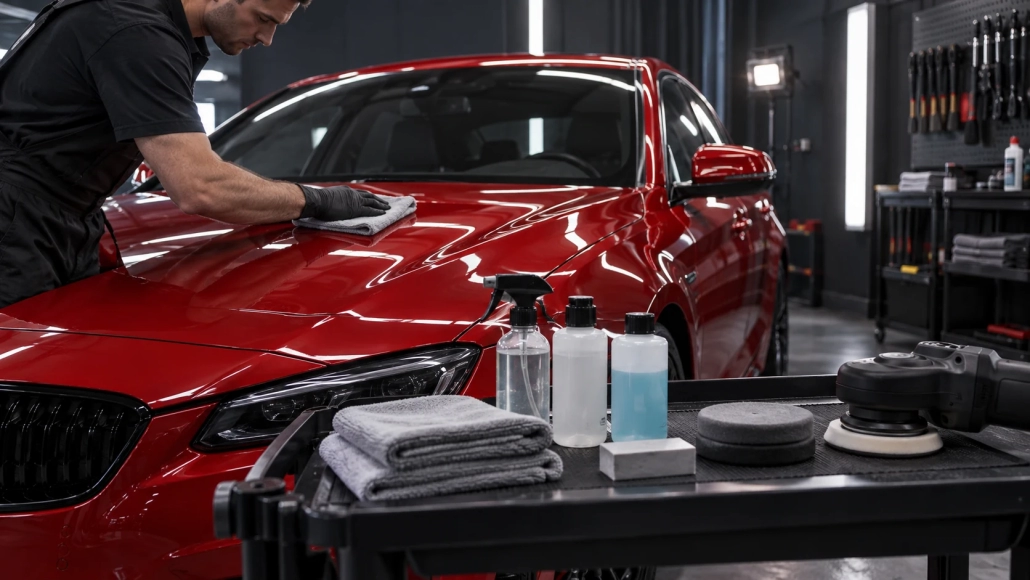
Compare appearance enhancement and targeted defect correction by scope, test results and finish expectations rather than ambiguous package names.
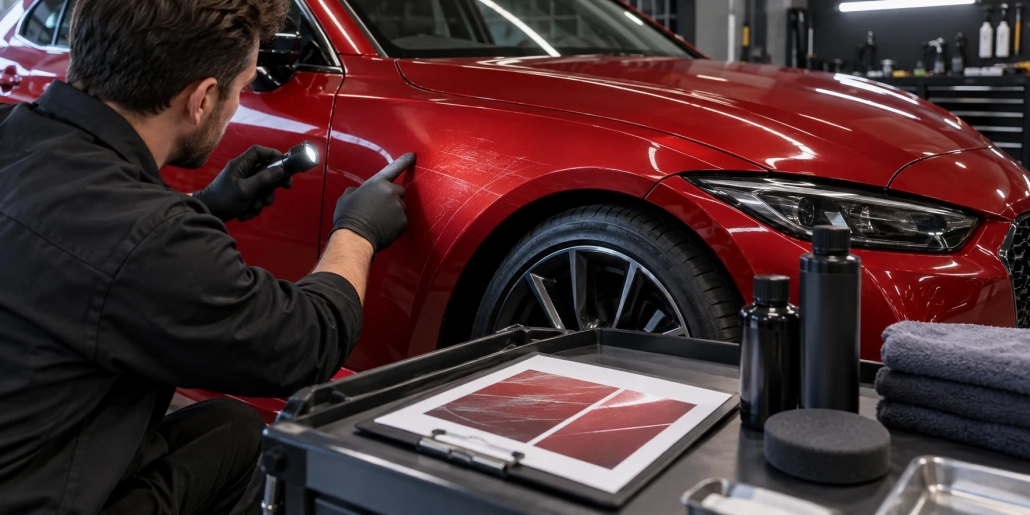
Plan coating renewal around the surface condition and system instructions, without using water behaviour alone to prove complete removal.
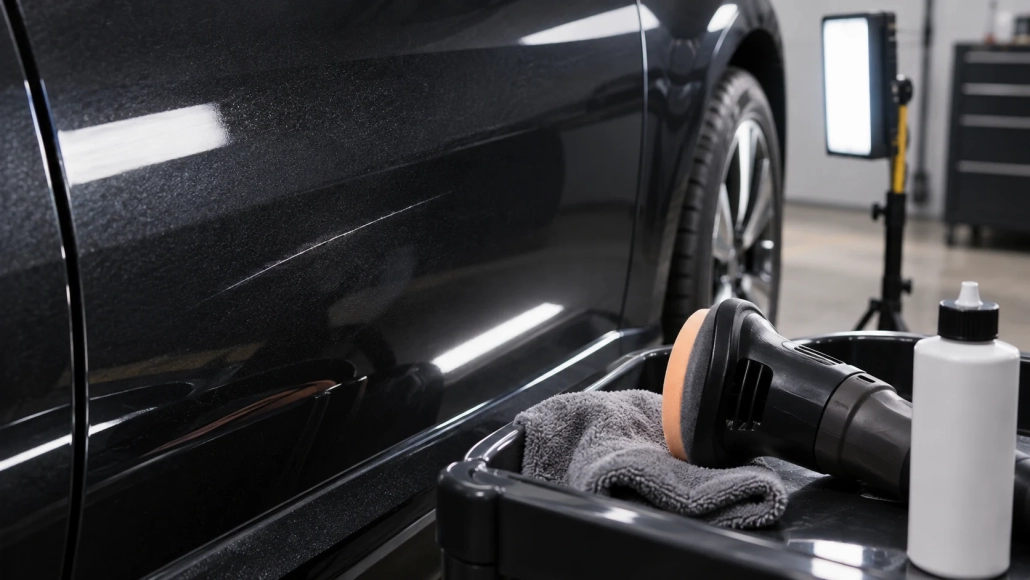
Account for existing protection when planning correction and explain how local abrasion and subsequent preparation affect the final protection system.
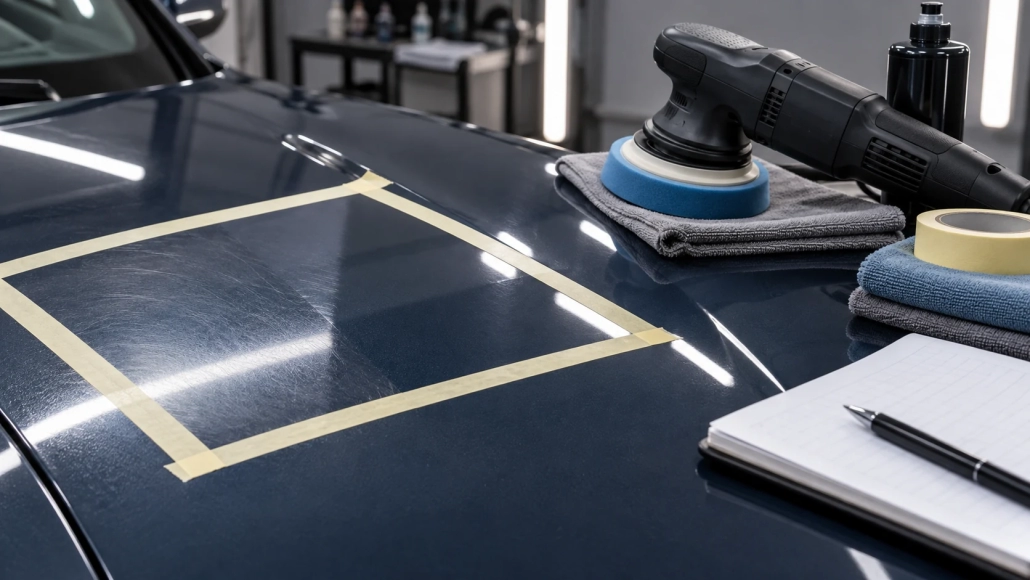
Compare polishing quotations through inspection, correction scope, finishing standard and protection rather than choosing only by stage count.
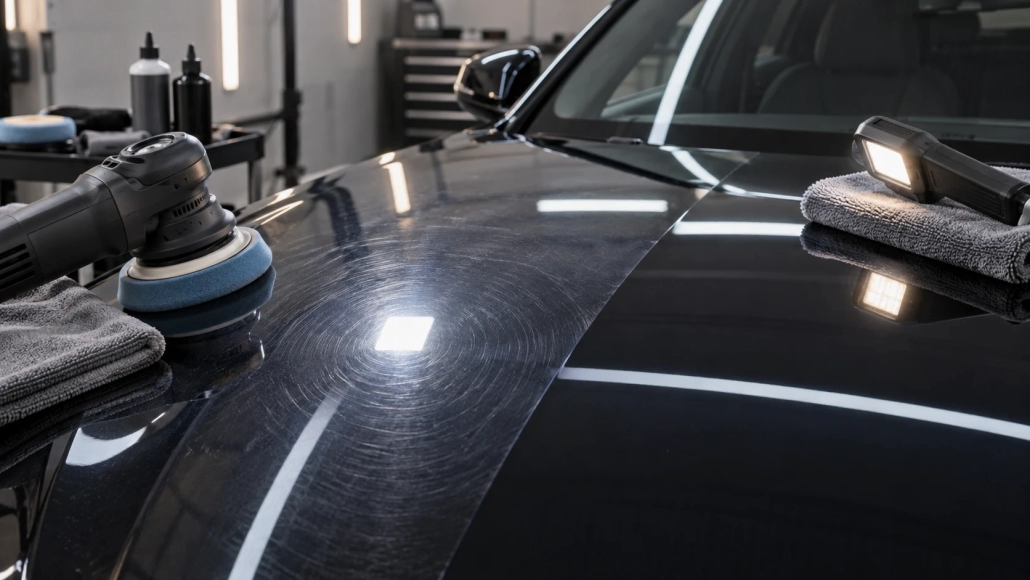
Calculate compound cost within the complete service, including actual consumption, pads, cleanup and the finishing labour required.
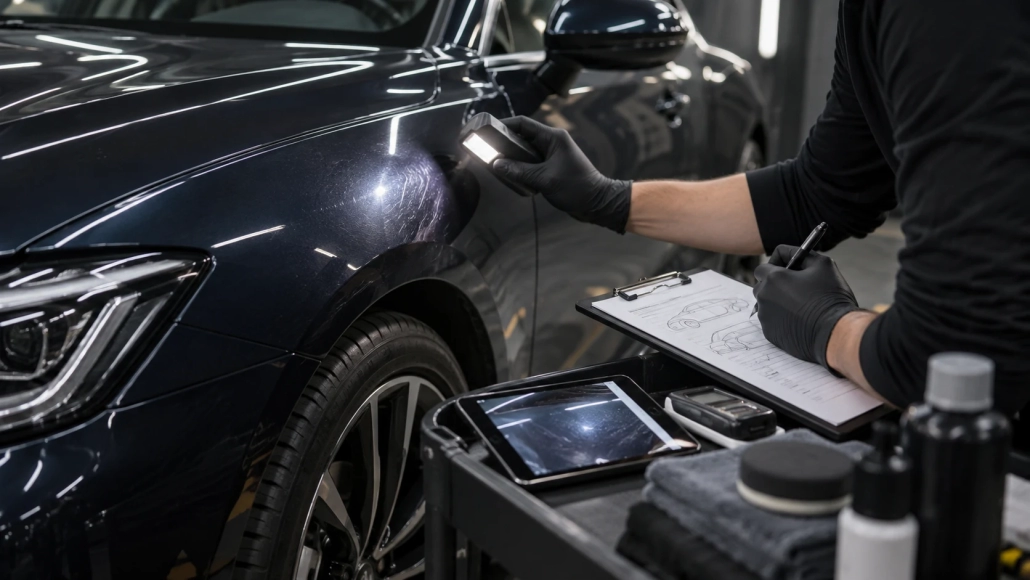
Build a polishing time estimate from a complete representative test while accounting for access, pad maintenance, cleanup and different paint responses.
Evaluate polish samples with a consistent record of correction, finish, handling and total work, without turning an informal trial into a universal ranking.
Find the application, compatibility and process information needed to evaluate a compound, and separate technical instructions from broad marketing claims.
Store polishing liquids within their manufacturer's limits and track opened stock so unexpected separation or changed handling can be investigated accurately.
Distinguish refinishing and detailing use cases by paint condition, defect origin and system requirements rather than treating the labels as quality grades.