






A full polishing range.
From cutting and one-step correction to final finishing.
Specialist chemistry. Expert application.
 QUARTZ99 / CERAMIC BASE COAT
The foundation of your coating system.
A layerable quartz base coat designed for mechanical protection. Pair it with a suitable top coat to create the final finish.
For application by NANOLAB certified installers only.
Four formulas. Extended working time. Find the coating for your finish.
Explore the BEAST family of ceramic coatings.
Find the coating for each exterior surface.
 PPF & VINYLGLOSSProtection for glossy films and wraps.Discover
 MATTE & SATINMATTEProtection that respects the finish.Discover
 GLASSWINDOWSExplore dedicated glass protection.Discover
 WHEEL PROTECTIONWHEELSA dedicated coating for your wheels.Discover
 TRIM PROTECTIONPLASTICProtection for plastic surfaces.Discover
Dedicated care for the surfaces inside.
 LEATHER SURFACESLEATHERDiscover NANOLAB leather protection.Discover PLASTIC SURFACESPLASTICProtection for interior plastic surfaces.Discover TEXTILE SURFACESFABRICExplore the latest fabric formulation.Discover
Spray protection, maintenance and upcoming wash products.
 MAINTENANCEBEAST 365Explore the BEAST maintenance range.Discover
Next in washing, cleaning & care.
Ceramic protection for boats and yachts.
An easy-to-apply ceramic coating with an established track record on boats and yachts around the world.
Results vary with surface preparation, exposure and maintenance.
Read 50 MARINE guides →Explore MARINEProtection for the surfaces you live with.
A look at what we’re developing.
From cutting and one-step correction to final finishing.
A wider range for professional vehicle care.
Taking shape alongside BEAST & MATRIX.
Practical guidance for your next coating project.
Explore all guides →
Find the application, compatibility and process information needed to evaluate a compound, and separate technical instructions from broad marketing claims.
Updated · NANOLAB Knowledge
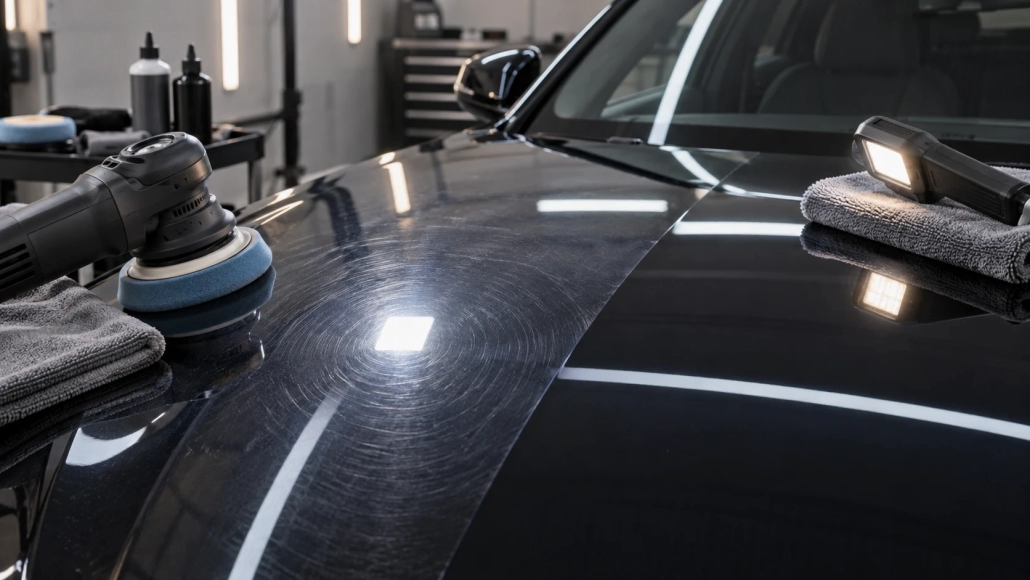
A technical data sheet should help turn a product description into an operating method. It may not answer every workshop question, but it is a better starting point than relying only on a cut number or a claim of universal performance.
Check product name, variant and document revision. Similar names can refer to different formulations or regional offerings.
Keep the document with the stock record so an older instruction is not applied automatically after a product change.
Look for intended surfaces, machine movements, pad recommendations, application method, working cycle and residue removal. Check storage guidance and any stated limits.
Where a sanding-mark capability is listed, read the conditions and complete system behind it. Do not convert the grade into a universal scratch-removal promise.
A technical sheet explains performance and use. A safety data sheet addresses hazard and handling information in its own format. A sales page may summarise benefits without supplying either document’s detail.
Read the documents relevant to the task rather than expecting one marketing paragraph to answer all operational questions.
Ask the supplier about missing compatibility, dilution, pad cleaning or preparation information. If ceramic coating follows, confirm the supported transition.
Do not fill gaps with instructions from an unrelated product simply because both bottles say fine cut.
Use the sheet to design a representative test, then record the actual result. Documentation supports the process; it does not eliminate variation between paints and operators.
A useful purchasing record includes the exact technical revision, the tested pairing and any supplier clarification. That makes future training and troubleshooting more reliable than a memory that the compound was supposed to work on everything.
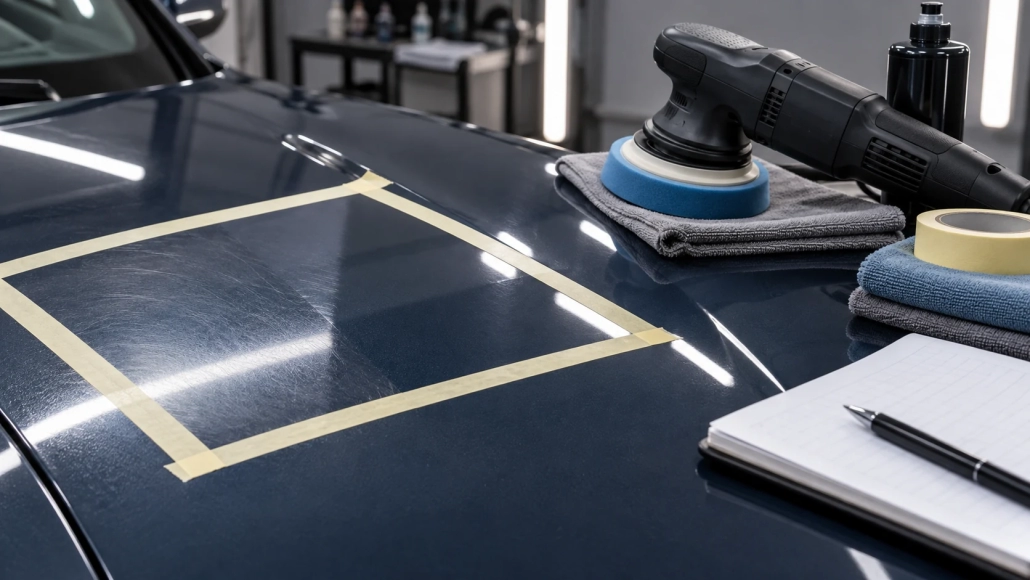
Compare polishing quotations through inspection, correction scope, finishing standard and protection rather than choosing only by stage count.
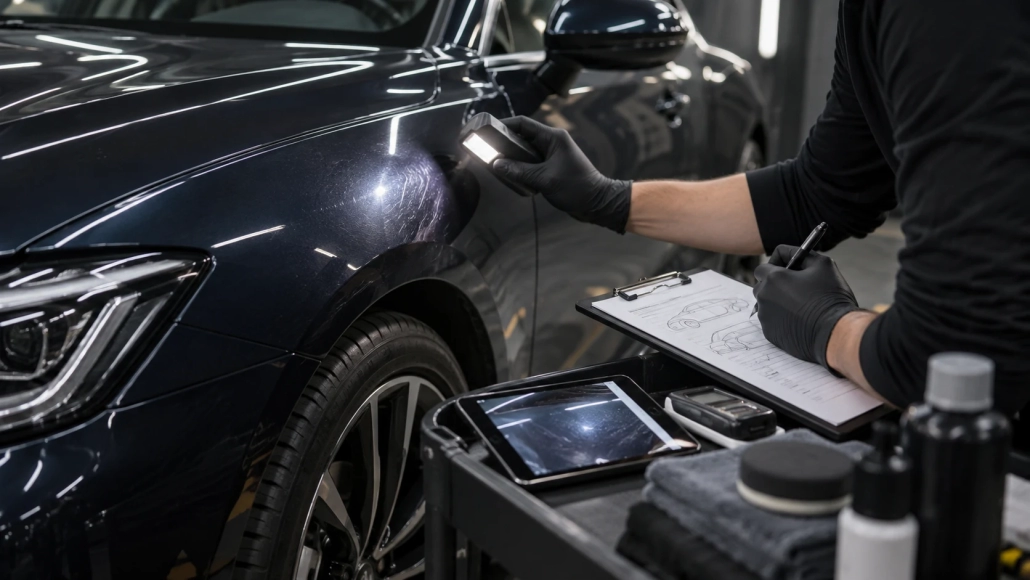
Store polishing liquids within their manufacturer's limits and track opened stock so unexpected separation or changed handling can be investigated accurately.
Set a paint-correction stopping point that balances appearance, remaining defects, paint condition and the customer's intended use.

 Storing Car Polish and Compound: Keep Product History Traceable