






A full polishing range.
From cutting and one-step correction to final finishing.
Specialist chemistry. Expert application.
 QUARTZ99 / CERAMIC BASE COAT
The foundation of your coating system.
A layerable quartz base coat designed for mechanical protection. Pair it with a suitable top coat to create the final finish.
For application by NANOLAB certified installers only.
Four formulas. Extended working time. Find the coating for your finish.
Explore the BEAST family of ceramic coatings.
Find the coating for each exterior surface.
 PPF & VINYLGLOSSProtection for glossy films and wraps.Discover
 MATTE & SATINMATTEProtection that respects the finish.Discover
 GLASSWINDOWSExplore dedicated glass protection.Discover
 WHEEL PROTECTIONWHEELSA dedicated coating for your wheels.Discover
 TRIM PROTECTIONPLASTICProtection for plastic surfaces.Discover
Dedicated care for the surfaces inside.
 LEATHER SURFACESLEATHERDiscover NANOLAB leather protection.Discover PLASTIC SURFACESPLASTICProtection for interior plastic surfaces.Discover TEXTILE SURFACESFABRICExplore the latest fabric formulation.Discover
Spray protection, maintenance and upcoming wash products.
 MAINTENANCEBEAST 365Explore the BEAST maintenance range.Discover
Next in washing, cleaning & care.
Ceramic protection for boats and yachts.
An easy-to-apply ceramic coating with an established track record on boats and yachts around the world.
Results vary with surface preparation, exposure and maintenance.
Read 50 MARINE guides →Explore MARINEProtection for the surfaces you live with.
A look at what we’re developing.
From cutting and one-step correction to final finishing.
A wider range for professional vehicle care.
Taking shape alongside BEAST & MATRIX.
Practical guidance for your next coating project.
Explore all guides →
Choose car polish, heavy cut compound, fine cut and finishing polish. Explore dual action techniques, pad selection, defect diagnosis and paint protection.
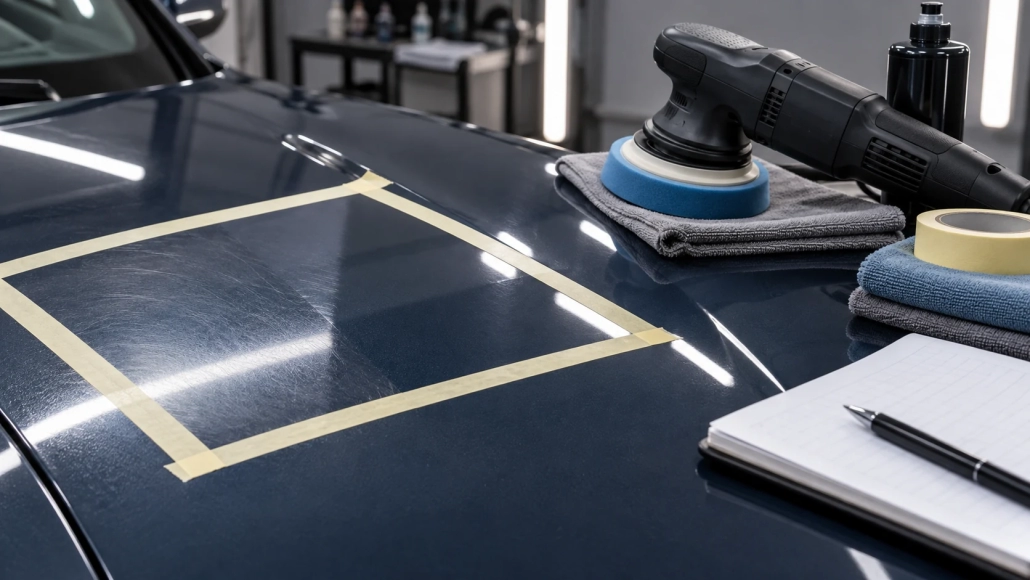
Reduce brand expectation in car polish trials with coded samples, while keeping product instructions and safety information available to the operator.
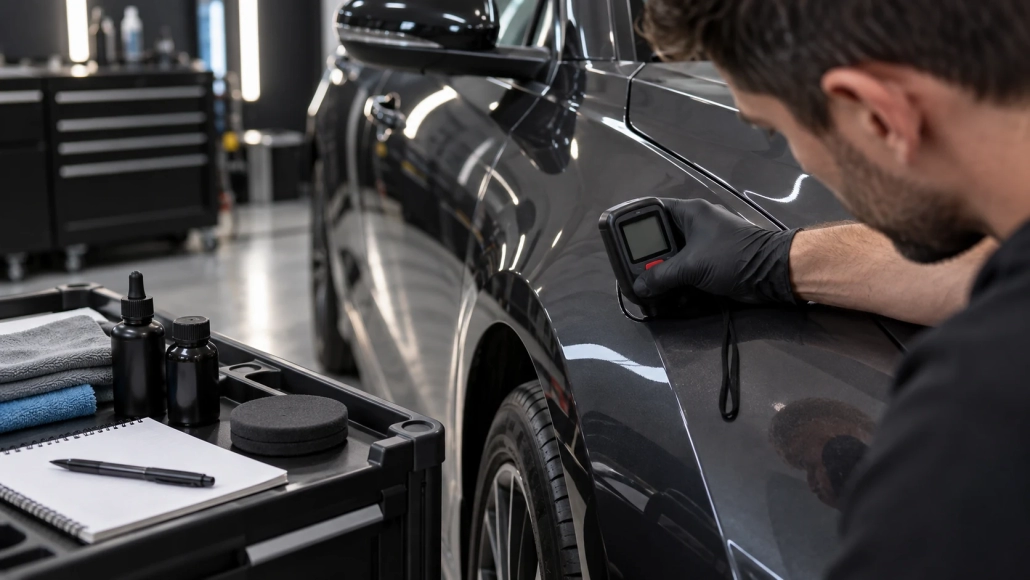
Build a polishing-panel library that distinguishes original paint, documented repairs and unknown finishes instead of treating all test panels as equivalent.
Measure compound use with a repeatable bottle-weighing method. Keep spills, dispensing and residue separate when comparing polishing processes.
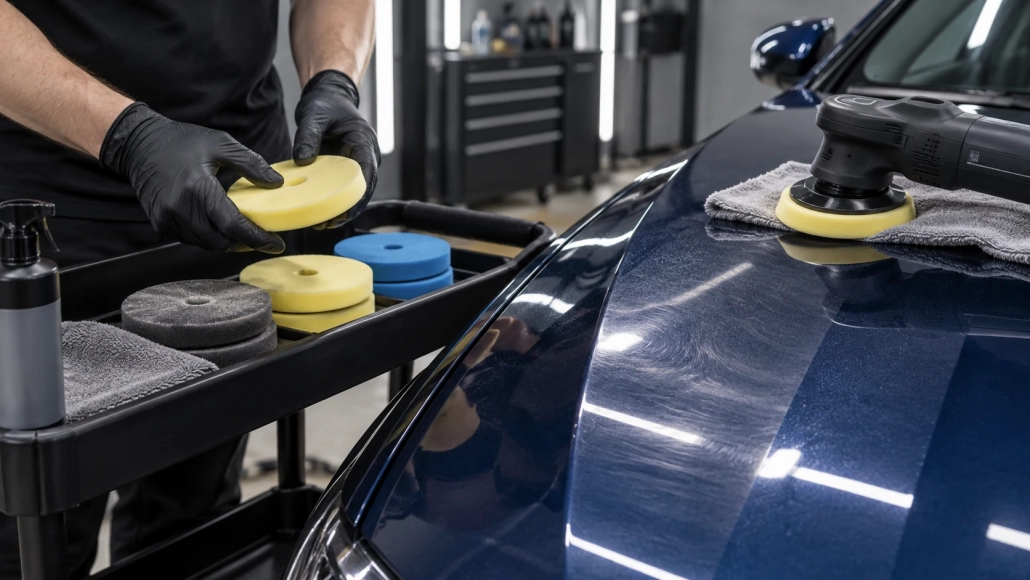
Organise polishing pads by their approved machine movement and role. Colour alone cannot prevent a wrong-pad selection in a mixed-tool workshop.
Plan meaningful compound, fine cut and finishing-polish trials with practical guides to measurements, pad selection, inspection and workshop decisions.
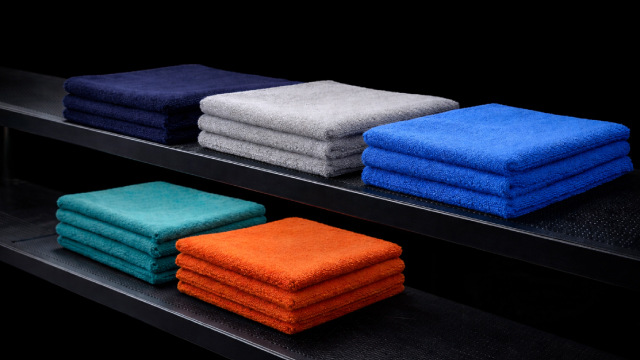
Small open craters in a refinished panel can be solvent pop rather than ordinary surface scratches. Identify the defect before choosing heavy cut compound or promising a ceramic coating finish.
Raised paint bubbles call for a repair assessment before polishing. A clearer reflection around a blister does not establish that the paint film is sound.
A network of fine cracks can look like severe scratching under some lights. Confirm whether the paint is fractured before proposing a compound-and-polish service.
A raised point in a clear coat and dirt trapped beneath the clear coat are different detailing problems. Determine where the defect sits before promising that polishing will remove it.
Runs and sags are film-shape defects, not ordinary wash swirls. A workshop should establish the repair boundary before adding them to a paint-correction package.
Patchy colour and a hazy reflection can coexist, but they are not the same defect. Separate them during inspection so a polishing service is aimed at a correctable surface problem.
A visible ring around an old repair can be confused with uneven polishing. Establish whether the outline follows a repair boundary before repeating correction passes.