






A full polishing range.
From cutting and one-step correction to final finishing.
Specialist chemistry. Expert application.
 QUARTZ99 / CERAMIC BASE COAT
The foundation of your coating system.
A layerable quartz base coat designed for mechanical protection. Pair it with a suitable top coat to create the final finish.
For application by NANOLAB certified installers only.
Four formulas. Extended working time. Find the coating for your finish.
Explore the BEAST family of ceramic coatings.
Find the coating for each exterior surface.
 PPF & VINYLGLOSSProtection for glossy films and wraps.Discover
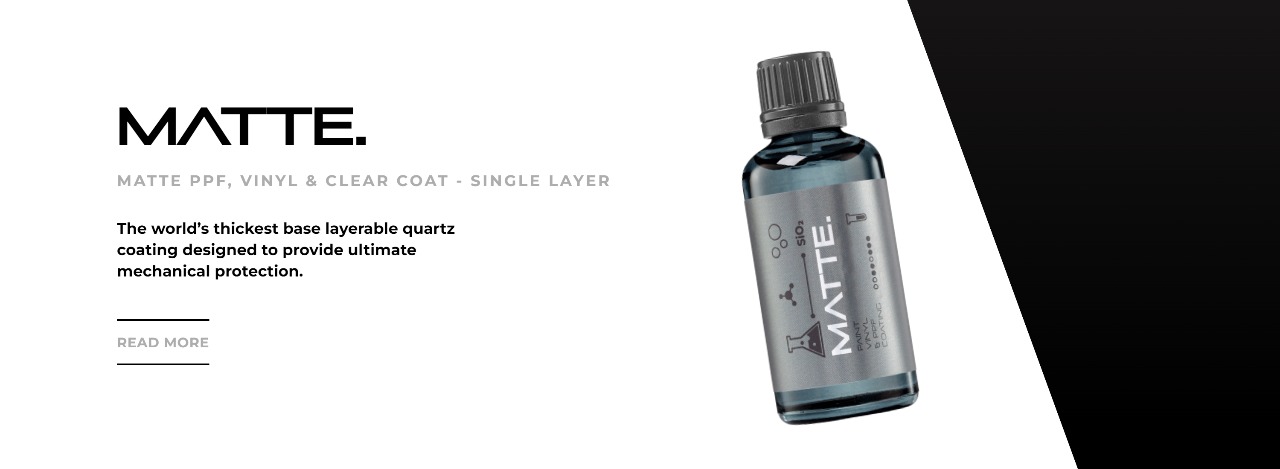
 MATTE & SATINMATTEProtection that respects the finish.Discover
 GLASSWINDOWSExplore dedicated glass protection.Discover
 WHEEL PROTECTIONWHEELSA dedicated coating for your wheels.Discover
 TRIM PROTECTIONPLASTICProtection for plastic surfaces.Discover
Dedicated care for the surfaces inside.
 LEATHER SURFACESLEATHERDiscover NANOLAB leather protection.Discover PLASTIC SURFACESPLASTICProtection for interior plastic surfaces.Discover TEXTILE SURFACESFABRICExplore the latest fabric formulation.Discover
Spray protection, maintenance and upcoming wash products.
 MAINTENANCEBEAST 365Explore the BEAST maintenance range.Discover
Next in washing, cleaning & care.
Ceramic protection for boats and yachts.
An easy-to-apply ceramic coating with an established track record on boats and yachts around the world.
Results vary with surface preparation, exposure and maintenance.
Read 50 MARINE guides →Explore MARINEProtection for the surfaces you live with.
A look at what we’re developing.
From cutting and one-step correction to final finishing.
A wider range for professional vehicle care.
Taking shape alongside BEAST & MATRIX.
Practical guidance for your next coating project.
Explore all guides →
Build a practical routine for washing, drying and maintaining a ceramic-coated vehicle.
A coated car that looks rich and glossy while wet can still have a film, deposits or fine defects that become obvious after drying.
A shampoo's slippery feel is one observation, not proof that it prevents wash marks.
A pre-wash may remove loose dirt and reduce the contamination left for contact washing, but it does not automatically leave a coated car fully clean.
When a foam cannon empties before the car is covered, the priority is controlling the product already on the vehicle.
Brown rinse water from a supposedly clean mitt deserves investigation before the mitt returns to paint.
Badges create narrow spaces where wash solution and dirt can collect.
The lower doors of a coated car often need more attention than the upper panels because their exposure is different.
A car parked near a kitchen exhaust may collect a different film from ordinary road dust.
Small recurring marks on a car parked near railway lines are worth investigating, but proximity does not prove that every spot is rail dust.
A wash bucket can be clean inside while its lid carries dust, dried product or grit.
A new drying towel should be inspected and prepared according to its care label before it touches a finished vehicle.
Pre-wash overspray can land on neighbouring cars, windows or equipment even when the operator never points the nozzle directly at them.