






A full polishing range.
From cutting and one-step correction to final finishing.
Specialist chemistry. Expert application.
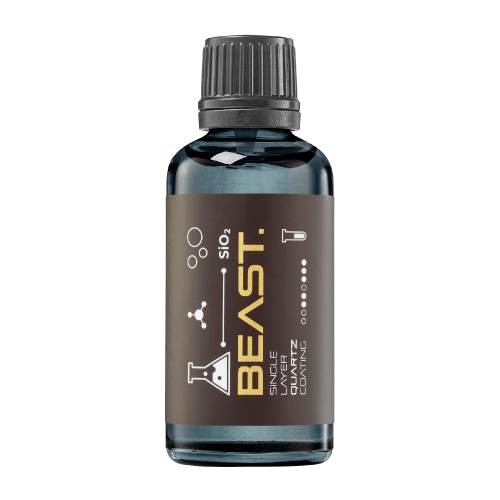
 QUARTZ99 / CERAMIC BASE COAT
The foundation of your coating system.
A layerable quartz base coat designed for mechanical protection. Pair it with a suitable top coat to create the final finish.
For application by NANOLAB certified installers only.
Four formulas. Extended working time. Find the coating for your finish.
Explore the BEAST family of ceramic coatings.
Find the coating for each exterior surface.
 PPF & VINYLGLOSSProtection for glossy films and wraps.Discover
 MATTE & SATINMATTEProtection that respects the finish.Discover
 GLASSWINDOWSExplore dedicated glass protection.Discover
 WHEEL PROTECTIONWHEELSA dedicated coating for your wheels.Discover
 TRIM PROTECTIONPLASTICProtection for plastic surfaces.Discover
Dedicated care for the surfaces inside.
 LEATHER SURFACESLEATHERDiscover NANOLAB leather protection.Discover PLASTIC SURFACESPLASTICProtection for interior plastic surfaces.Discover TEXTILE SURFACESFABRICExplore the latest fabric formulation.Discover
Spray protection, maintenance and upcoming wash products.
 MAINTENANCEBEAST 365Explore the BEAST maintenance range.Discover
Next in washing, cleaning & care.
Ceramic protection for boats and yachts.
An easy-to-apply ceramic coating with an established track record on boats and yachts around the world.
Results vary with surface preparation, exposure and maintenance.
Read 50 MARINE guides →Explore MARINEProtection for the surfaces you live with.
A look at what we’re developing.
From cutting and one-step correction to final finishing.
A wider range for professional vehicle care.
Taking shape alongside BEAST & MATRIX.
Practical guidance for your next coating project.
Explore all guides →
Practical guides for vehicle care, boats, living spaces, shower glass, stainless steel and private-label coating projects.
Explore 3219 guides, covering surface preparation, product selection, application and everyday maintenance.
A favourable result on one substrate does not automatically cover a new substrate or finish. Treat the proposed extension as a technical question and identify which evidence remains relevant before using the same claim.

Reading a barcode once with a convenient scanner does not establish that the printed symbol meets every quality requirement for its intended supply chain. Include appropriate verification in the packaging approval process.
A barcode needs the clear surrounding space required for its symbol and application. Decorative borders, text or a label edge should not be allowed to consume that space during a late artwork revision.
A barcode on a transparent label is seen against the actual bottle and contents, not only the white background of a design screen. Review the final optical arrangement before approving the packaging.
An individual bottle and a saleable or shipping case represent different packaging levels. Keep their identifiers and quantities distinct so ordering, scanning and stock records do not confuse one case with one bottle.
A trade-item identifier and a batch number answer different traceability questions. The first identifies the commercial item within its system; the second connects material to a production grouping defined by the supplier.
A barcode can scan correctly while encoding the wrong product identity. Verify the decoded data against the visible product name, size and approved record before treating the label as ready for production.
A label can have correct artwork and still feed incorrectly into the selected application process. Confirm roll orientation, winding and the packer's required format before ordering production quantities.
Artwork should distinguish the finished cut edge, printing bleed and the safe area for essential content. Use the selected printer's approved dieline rather than applying generic dimensions to every coating label.
The seam of a wraparound label can interrupt text, symbols or variable coding. Review the applied label and reserve a suitable information layout before approving a bottle design for production.
A colour approved on a monitor does not fully define the appearance of a printed coating label. The label material, inks, finish and bottle background belong in the approval process.
A glossy or metallic packaging finish can change how easily information is read under real lighting. Inspect the finished coating pack from normal handling angles before approving appearance on a flat proof alone.