






A full polishing range.
From cutting and one-step correction to final finishing.
Specialist chemistry. Expert application.
 QUARTZ99 / CERAMIC BASE COAT
The foundation of your coating system.
A layerable quartz base coat designed for mechanical protection. Pair it with a suitable top coat to create the final finish.
For application by NANOLAB certified installers only.
Four formulas. Extended working time. Find the coating for your finish.
Explore the BEAST family of ceramic coatings.
Find the coating for each exterior surface.
 PPF & VINYLGLOSSProtection for glossy films and wraps.Discover
 MATTE & SATINMATTEProtection that respects the finish.Discover
 GLASSWINDOWSExplore dedicated glass protection.Discover
 WHEEL PROTECTIONWHEELSA dedicated coating for your wheels.Discover
 TRIM PROTECTIONPLASTICProtection for plastic surfaces.Discover
Dedicated care for the surfaces inside.
 LEATHER SURFACESLEATHERDiscover NANOLAB leather protection.Discover PLASTIC SURFACESPLASTICProtection for interior plastic surfaces.Discover TEXTILE SURFACESFABRICExplore the latest fabric formulation.Discover
Spray protection, maintenance and upcoming wash products.
 MAINTENANCEBEAST 365Explore the BEAST maintenance range.Discover
Next in washing, cleaning & care.
Ceramic protection for boats and yachts.
An easy-to-apply ceramic coating with an established track record on boats and yachts around the world.
Results vary with surface preparation, exposure and maintenance.
Read 50 MARINE guides →Explore MARINEProtection for the surfaces you live with.
A look at what we’re developing.
From cutting and one-step correction to final finishing.
A wider range for professional vehicle care.
Taking shape alongside BEAST & MATRIX.
Practical guidance for your next coating project.
Explore all guides →
Choose car polish, heavy cut compound, fine cut and finishing polish. Explore dual action techniques, pad selection, defect diagnosis and paint protection.
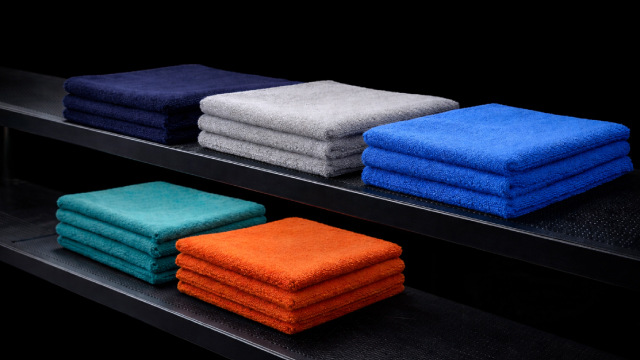
On a multi-day correction job, a panel accepted after finish polishing can become contaminated or marked before delivery.
A second inspector can catch finishing defects the operator has stopped noticing, but only if both people use the same acceptance standard.
A finish can look different under a customer's garage lights, outdoor sun or showroom illumination.
A small difference in gloss-meter readings may be real, or it may reflect positioning, surface variation and measurement repeatability.
Gloss readings taken at different measurement angles are not interchangeable scores.
If paint looks more marked after its first wash following finish polishing, several explanations are possible.
A protection topper can alter gloss and the visibility of fine marks.
Another finish-polish cycle may improve a panel, but it also adds contact, time and material removal.
A small collection of labelled reference panels can help a workshop compare finish-polish processes without experimenting first on customer vehicles.
A polishing stage should end with a decision, not merely with the machine being switched off.
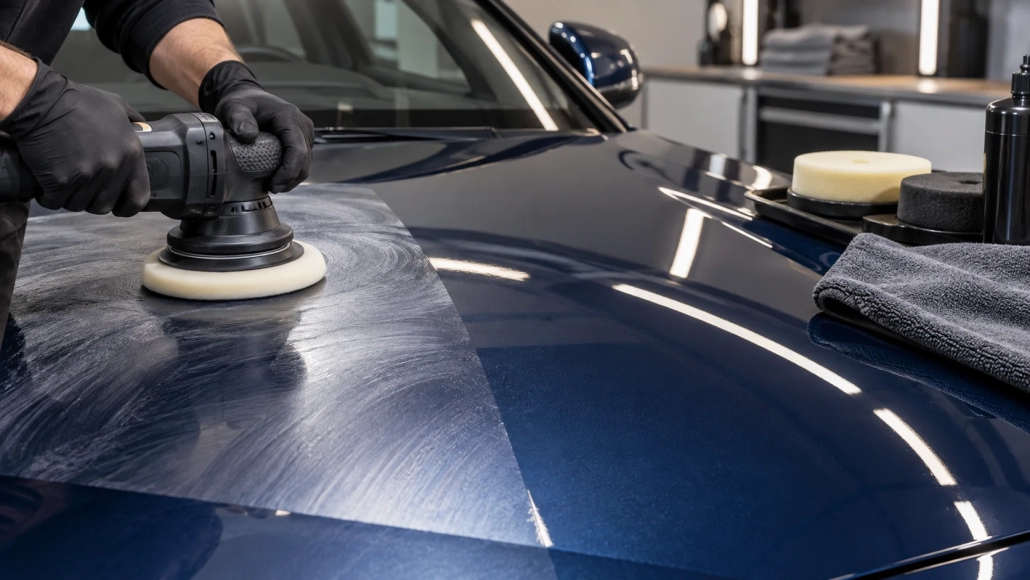
Choose a polishing process by testing defect removal, finishing quality and clear-coat preservation rather than counting steps alone.
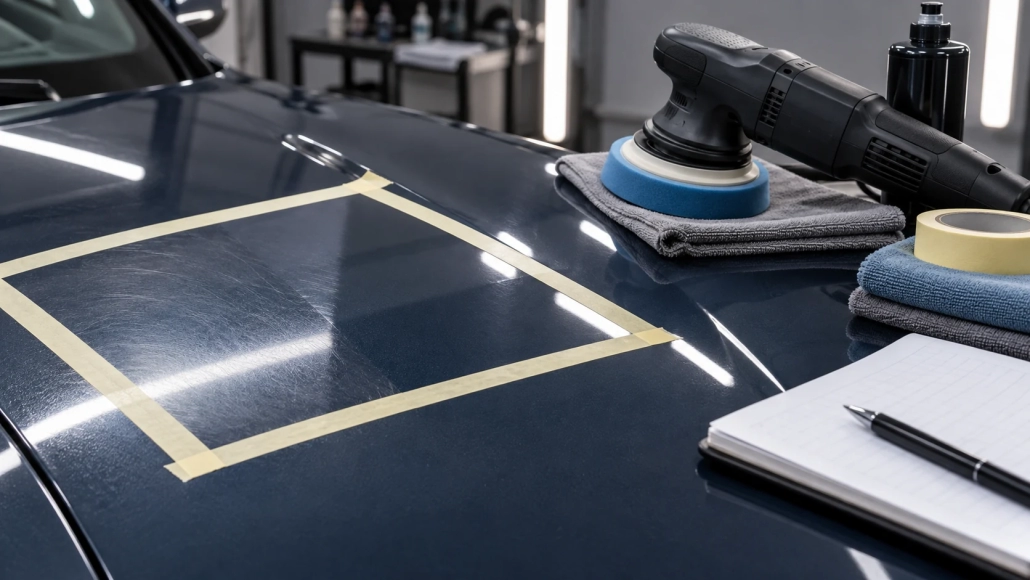
Document pad, polish, machine, surface and inspection results so a successful polishing test can guide the rest of the vehicle.