






A full polishing range.
From cutting and one-step correction to final finishing.
Specialist chemistry. Expert application.
 QUARTZ99 / CERAMIC BASE COAT
The foundation of your coating system.
A layerable quartz base coat designed for mechanical protection. Pair it with a suitable top coat to create the final finish.
For application by NANOLAB certified installers only.
Four formulas. Extended working time. Find the coating for your finish.
Explore the BEAST family of ceramic coatings.
Find the coating for each exterior surface.
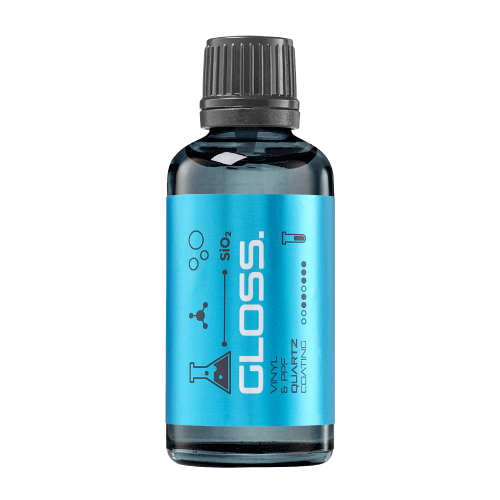
 PPF & VINYLGLOSSProtection for glossy films and wraps.Discover
 MATTE & SATINMATTEProtection that respects the finish.Discover
 GLASSWINDOWSExplore dedicated glass protection.Discover
 WHEEL PROTECTIONWHEELSA dedicated coating for your wheels.Discover
 TRIM PROTECTIONPLASTICProtection for plastic surfaces.Discover
Dedicated care for the surfaces inside.
 LEATHER SURFACESLEATHERDiscover NANOLAB leather protection.Discover PLASTIC SURFACESPLASTICProtection for interior plastic surfaces.Discover TEXTILE SURFACESFABRICExplore the latest fabric formulation.Discover
Spray protection, maintenance and upcoming wash products.
 MAINTENANCEBEAST 365Explore the BEAST maintenance range.Discover
Next in washing, cleaning & care.
Ceramic protection for boats and yachts.
An easy-to-apply ceramic coating with an established track record on boats and yachts around the world.
Results vary with surface preparation, exposure and maintenance.
Read 50 MARINE guides →Explore MARINEProtection for the surfaces you live with.
A look at what we’re developing.
From cutting and one-step correction to final finishing.
A wider range for professional vehicle care.
Taking shape alongside BEAST & MATRIX.
Practical guidance for your next coating project.
Explore all guides →
Practical guides for vehicle care, boats, living spaces, shower glass, stainless steel and private-label coating projects.
Explore 3219 guides, covering surface preparation, product selection, application and everyday maintenance.

An unexpected change at a panel edge calls for an immediate pause. Do not continue polishing or apply protection in an attempt to conceal what happened.
A touch-up spot can behave differently from the surrounding paint. Identify the repair material and its readiness before adding it to a machine-polishing plan.
A decal under clear coat and a decal applied on top of paint are different surfaces. Confirm which layer is exposed before polishing graphics.
Pad moisture changes a polishing comparison. Begin with a defined pad condition so a liquid is not judged against an uncontrolled amount of water.
A panel’s condition during polishing and during final inspection may differ. Build a consistent final check instead of accepting the first attractive reflection.
A paint gauge reading is useful only when the instrument is suitable and functioning as expected. Use its specified verification method before relying on numbers in a correction plan.
A thickness record should identify the measured substrate and gauge method. A mixed-material vehicle can produce readings that are not directly comparable.
Repeated readings help reveal whether measurement technique is stable. Do this before interpreting a small numerical change as material removed by polishing.
An infrared thermometer observes surface radiation under specific conditions. A glossy panel reading needs the instrument’s guidance and a consistent measurement setup.
A humidity display can influence application decisions, so an unexpected reading should be checked before changing timing or blaming a coating formula.
Different inspection lights can reveal different aspects of a finish. Keep the light setup identified when comparing polishing or coating results.
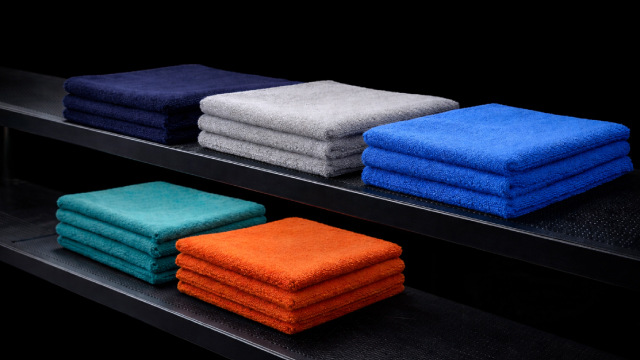
A simple workshop towel trial can compare practical drying behaviour. Keep it separate from a claim that a towel’s GSM alone predicts its performance.