






A full polishing range.
From cutting and one-step correction to final finishing.
Specialist chemistry. Expert application.
 QUARTZ99 / CERAMIC BASE COAT
The foundation of your coating system.
A layerable quartz base coat designed for mechanical protection. Pair it with a suitable top coat to create the final finish.
For application by NANOLAB certified installers only.
Four formulas. Extended working time. Find the coating for your finish.
Explore the BEAST family of ceramic coatings.
Find the coating for each exterior surface.
 PPF & VINYLGLOSSProtection for glossy films and wraps.Discover
 MATTE & SATINMATTEProtection that respects the finish.Discover
 GLASSWINDOWSExplore dedicated glass protection.Discover
 WHEEL PROTECTIONWHEELSA dedicated coating for your wheels.Discover
 TRIM PROTECTIONPLASTICProtection for plastic surfaces.Discover
Dedicated care for the surfaces inside.
 LEATHER SURFACESLEATHERDiscover NANOLAB leather protection.Discover PLASTIC SURFACESPLASTICProtection for interior plastic surfaces.Discover TEXTILE SURFACESFABRICExplore the latest fabric formulation.Discover
Spray protection, maintenance and upcoming wash products.
 MAINTENANCEBEAST 365Explore the BEAST maintenance range.Discover
Next in washing, cleaning & care.
Ceramic protection for boats and yachts.
An easy-to-apply ceramic coating with an established track record on boats and yachts around the world.
Results vary with surface preparation, exposure and maintenance.
Read 50 MARINE guides →Explore MARINEProtection for the surfaces you live with.
A look at what we’re developing.
From cutting and one-step correction to final finishing.
A wider range for professional vehicle care.
Taking shape alongside BEAST & MATRIX.
Practical guidance for your next coating project.
Explore all guides →
Practical guides for vehicle care, boats, living spaces, shower glass, stainless steel and private-label coating projects.
Explore 3219 guides, covering surface preparation, product selection, application and everyday maintenance.
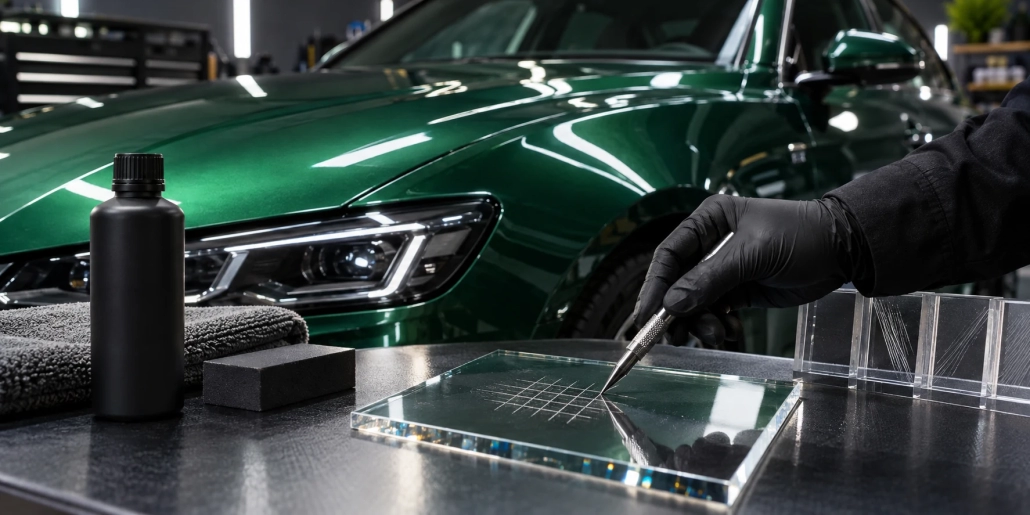
Distinguish pencil hardness from abrasion resistance when comparing ceramic coatings, and read the test method, substrate and failure measure behind each claim.
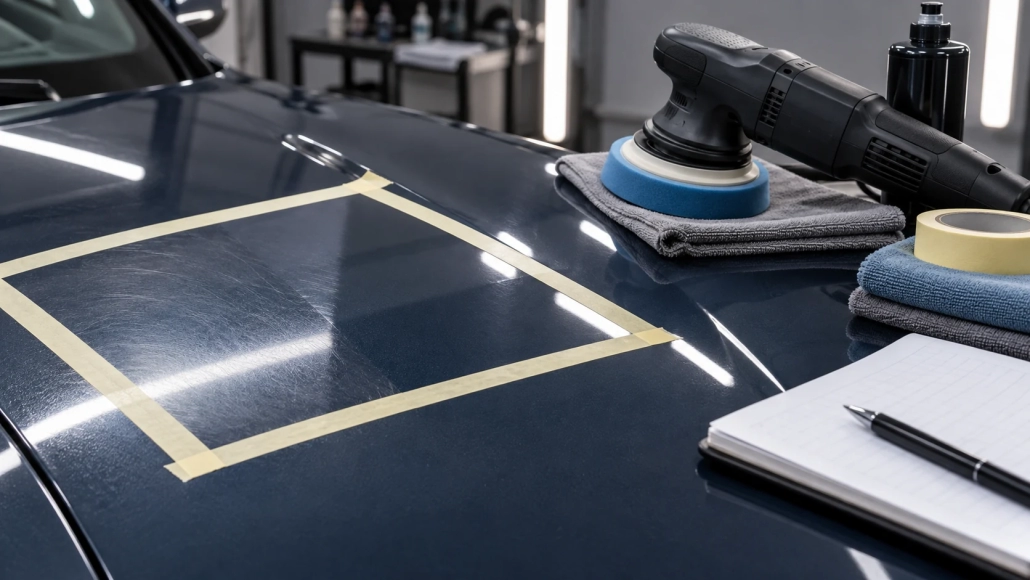
Evaluate polish samples with a consistent record of correction, finish, handling and total work, without turning an informal trial into a universal ranking.
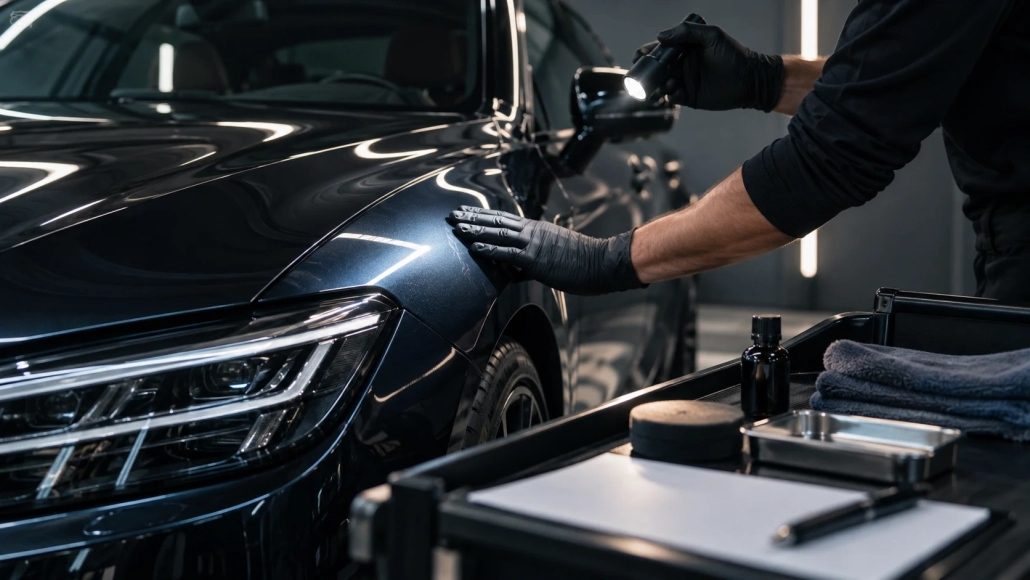
Evaluate a nano coating’s appearance beyond gloss alone, distinguishing reflected-image clarity, haze and the underlying surface texture.
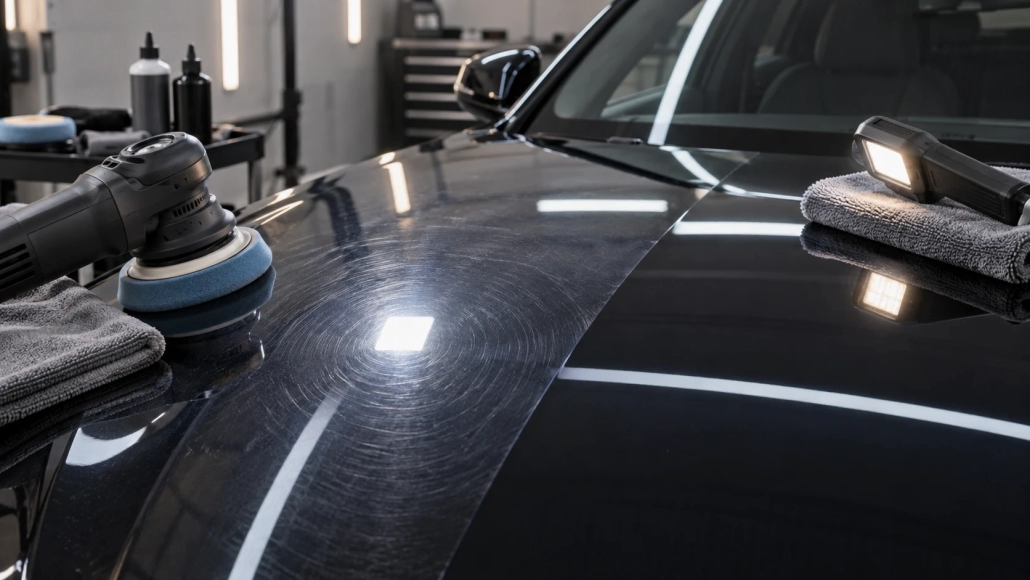
Find the application, compatibility and process information needed to evaluate a compound, and separate technical instructions from broad marketing claims.
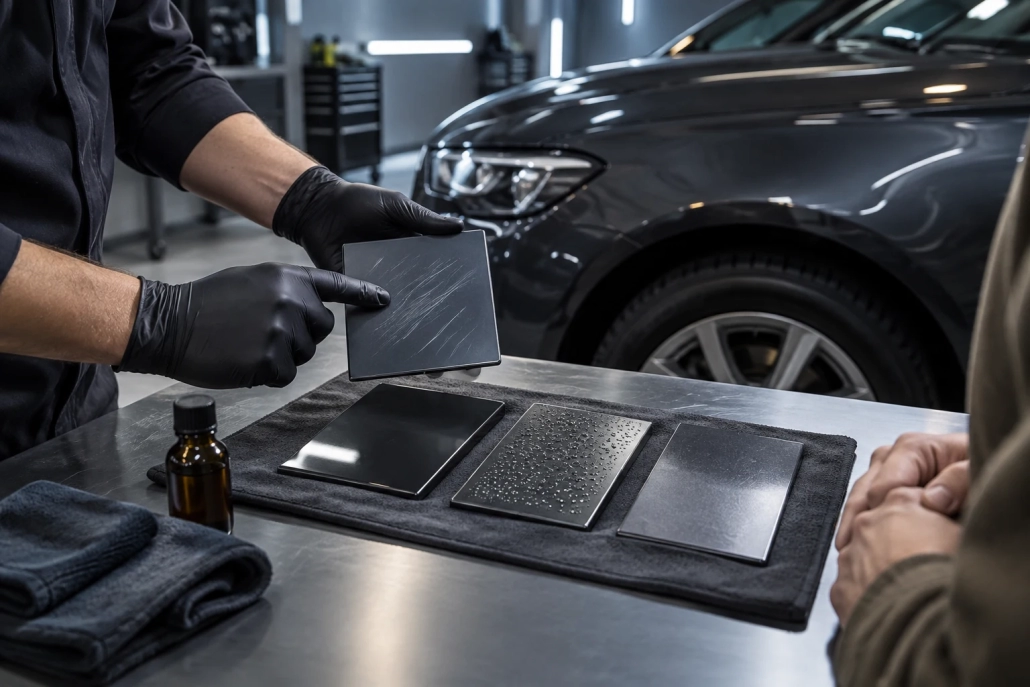
Read heat-resistance claims for nano ceramic coatings by checking exposure type, temperature measurement, substrate and the property assessed after heating.
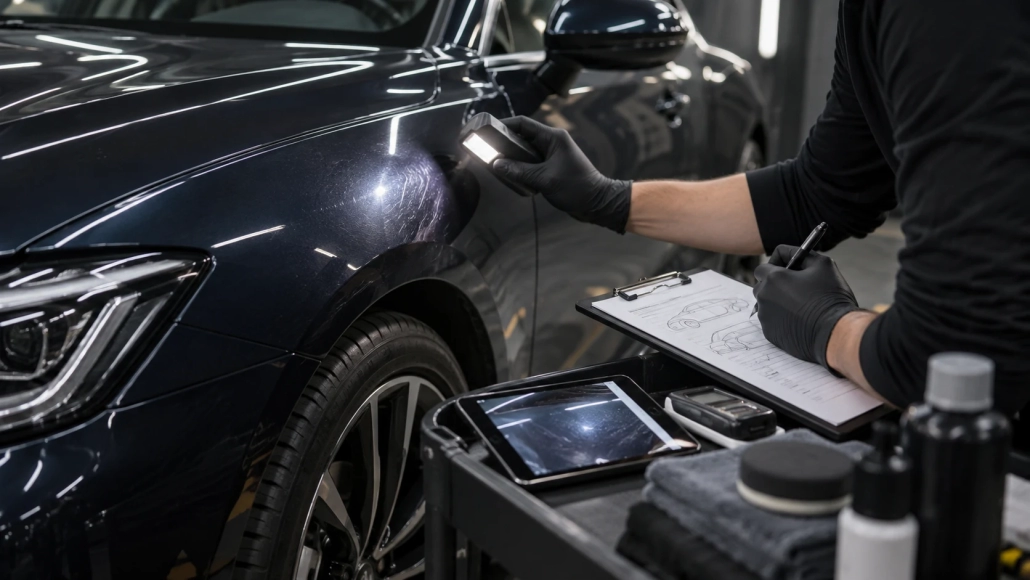
Store polishing liquids within their manufacturer's limits and track opened stock so unexpected separation or changed handling can be investigated accurately.
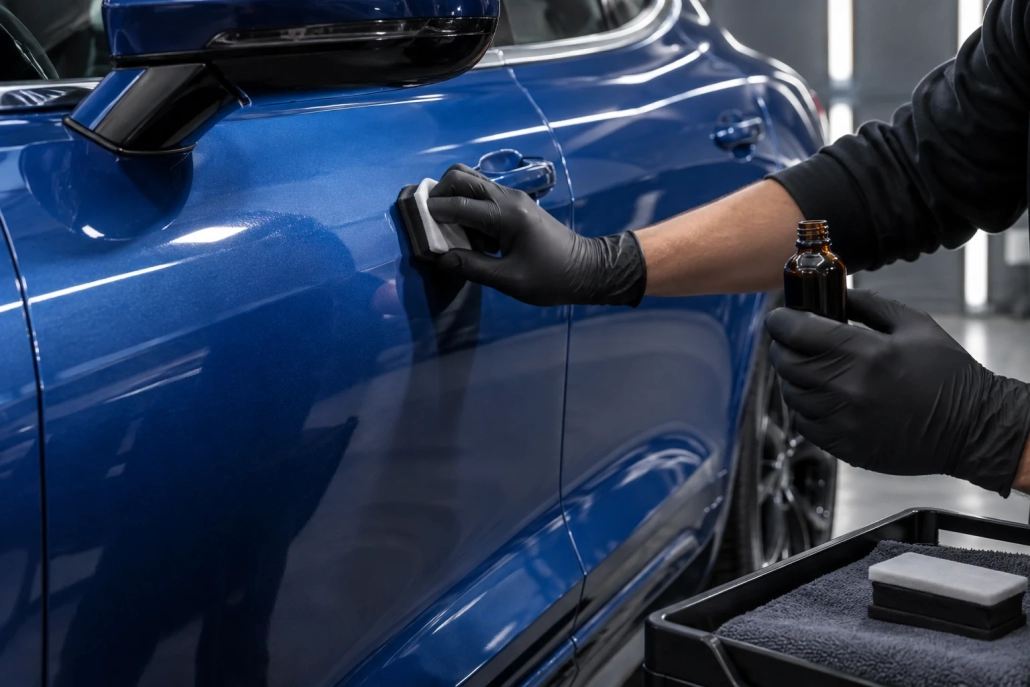
Separate immediate liquid repellency from stain release after cleaning when evaluating nano coatings for decorative metal, glass and other surfaces.
Distinguish refinishing and detailing use cases by paint condition, defect origin and system requirements rather than treating the labels as quality grades.
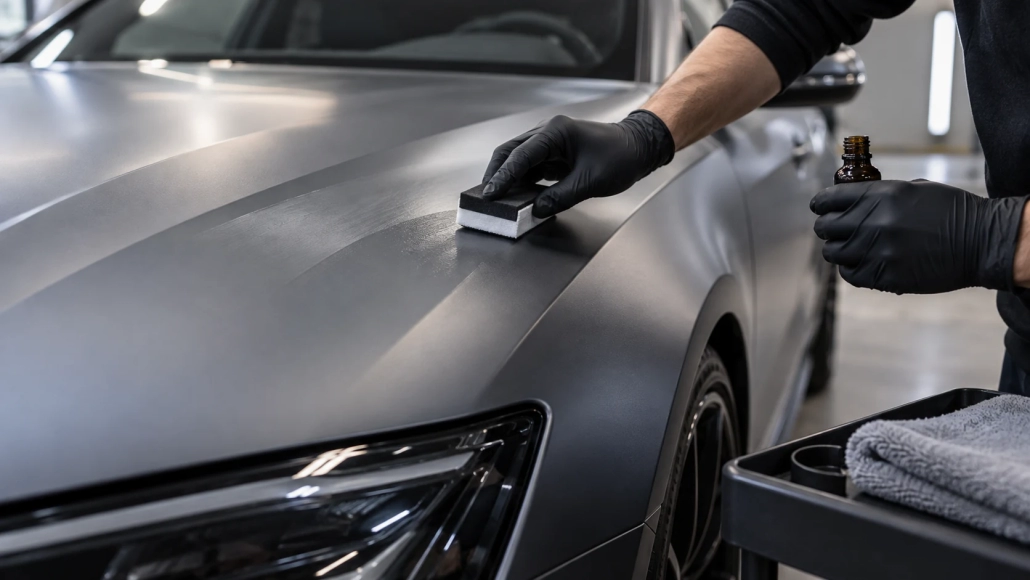
Plan a colour-change assessment for nano coatings with matched samples, consistent lighting and a clear distinction between visual observation and instrument data.
Check the finish, details and job record before protection or handover so a polishing service is accepted against a clear and repeatable standard.
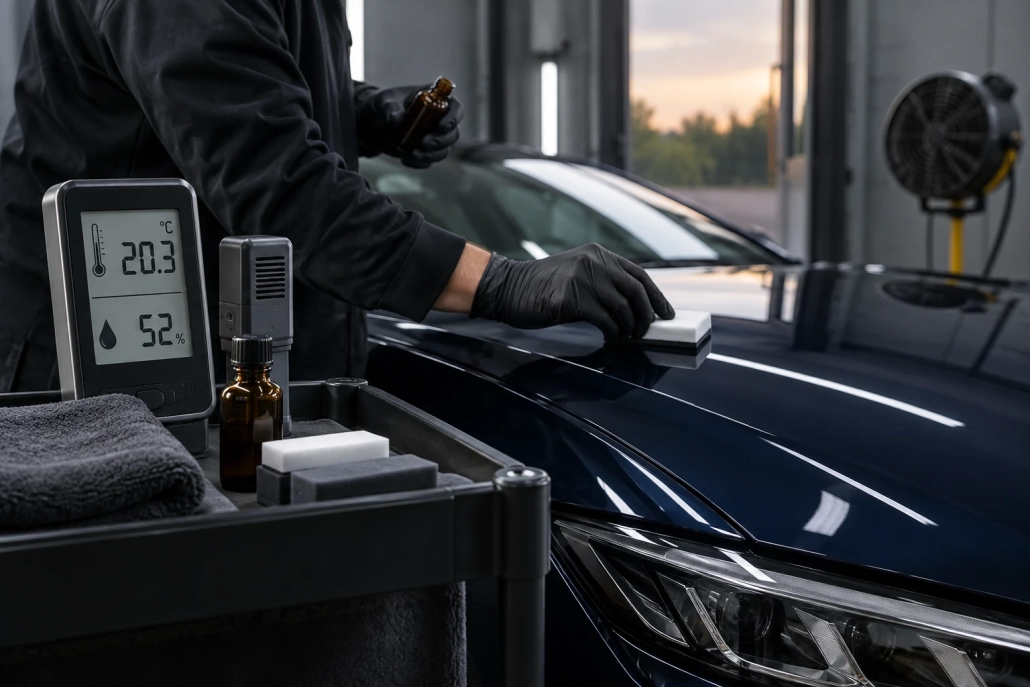
Review humidity and condensation test claims for nano coatings by checking the exposure cycle, specimen system and observations after conditioning.
Preserve a polished finish with suitable washing, clean contact materials and protection-specific care instead of treating repeated abrasion as routine maintenance.