
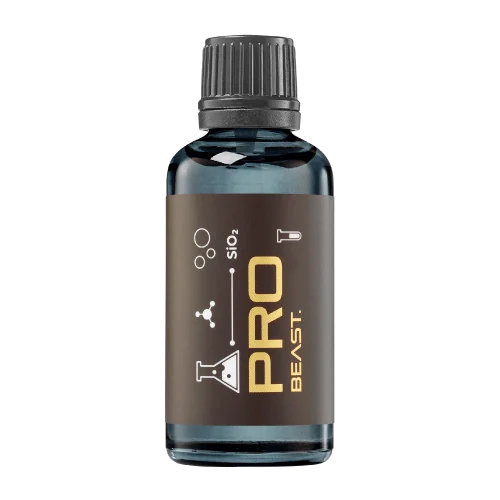

IN DEVELOPMENT / MATRIX SERIES
MATRIX ELITE P7020
The next flagship of the MATRIX series.
75%Solids content
Specialist chemistry. Expert application.
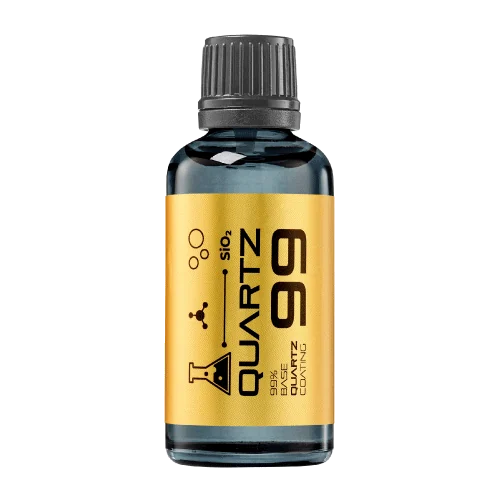 QUARTZ99 / CERAMIC BASE COAT
The foundation of your coating system.
A layerable quartz base coat designed for mechanical protection. Pair it with a suitable top coat to create the final finish.
For application by NANOLAB certified installers only.
Extended working time. A coating for the way you work.
 P5012MATRIX PRORefined protection for glossy finishes.Application1/10Discover P503GMATRIX GRAPHENEVersatile protection for gloss and matte finishes.Application1/10Discover P303MATRIX LITEFor efficient, high-volume detailing.Application1/10Discover
 Explore the BEAST family of ceramic coatings.
Find the coating for each exterior surface.
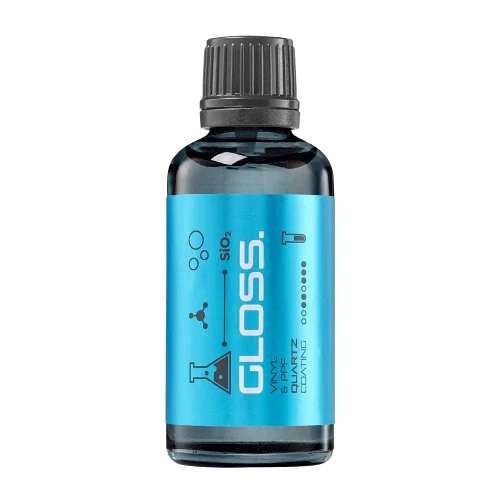 PPF & VINYLGLOSSProtection for glossy films and wraps.Application3/10Discover
 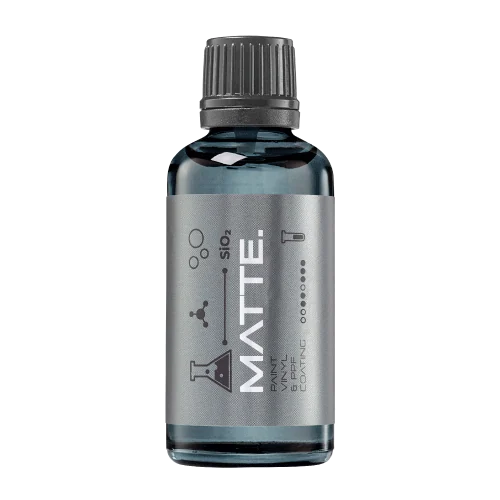 MATTE & SATINMATTEProtection that respects the finish.Application3/10Discover
 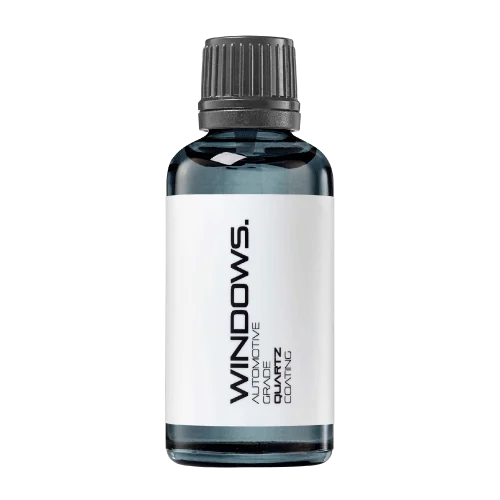 GLASSWINDOWSExplore dedicated glass protection.Application3/10Discover
 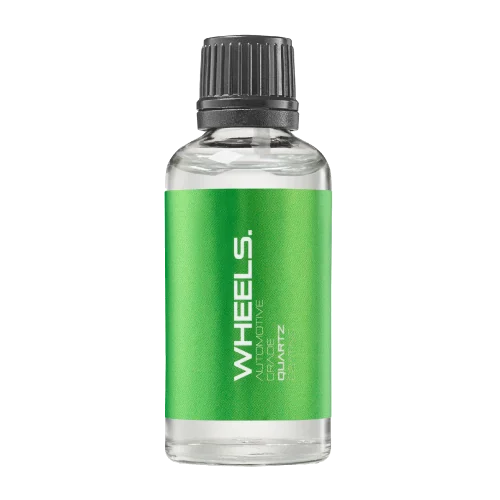 WHEEL PROTECTIONWHEELSA dedicated coating for your wheels.Application2/10Discover
 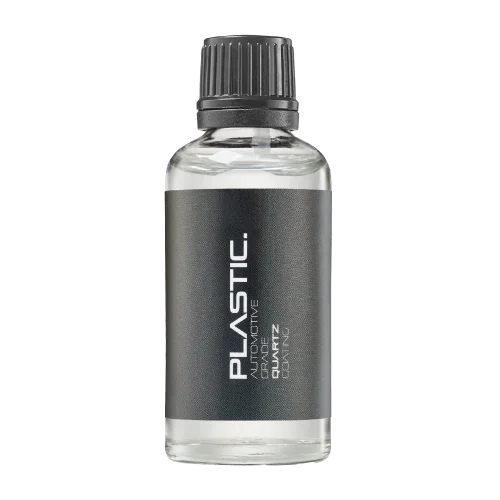 TRIM PROTECTIONPLASTICProtection for plastic surfaces.Application2/10Discover
 Dedicated care for the surfaces inside.
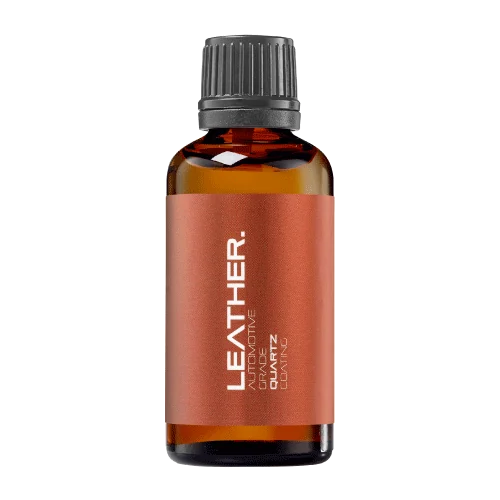 LEATHER SURFACESLEATHERDiscover NANOLAB leather protection.Application5/10Discover PLASTIC SURFACESPLASTICProtection for interior plastic surfaces.Application2/10Discover TEXTILE SURFACESFABRICExplore the latest fabric formulation.Application2/10Discover
 Spray protection, maintenance and upcoming wash products.
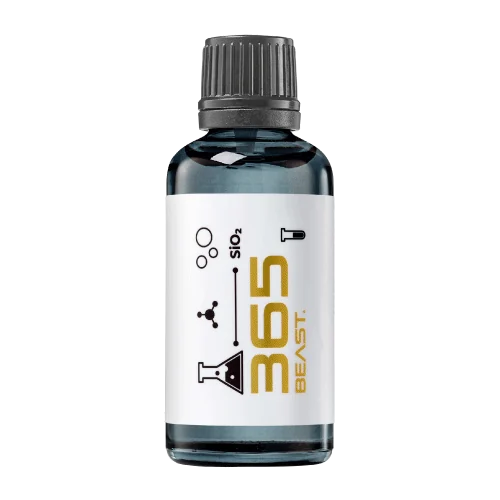 MAINTENANCEBEAST 365Explore the BEAST maintenance range.Application4/10Discover
 Next in washing, cleaning & care.
Ceramic protection for boats and yachts.
An easy-to-apply ceramic coating with an established track record on boats and yachts around the world.
Results vary with surface preparation, exposure and maintenance.
Read 50 MARINE guides →Explore MARINE Application4/10Protection for the surfaces you live with.
A look at what we’re developing.
The next flagship of the MATRIX series.
From cutting and one-step correction to final finishing.
A wider range for professional vehicle care.
Taking shape alongside BEAST & MATRIX.
Practical guidance for your next coating project.
Explore all guides →
Recheck the finish under consistent conditions after polishing so heat, residue and lighting do not distort the final correction assessment.
Updated · NANOLAB Knowledge
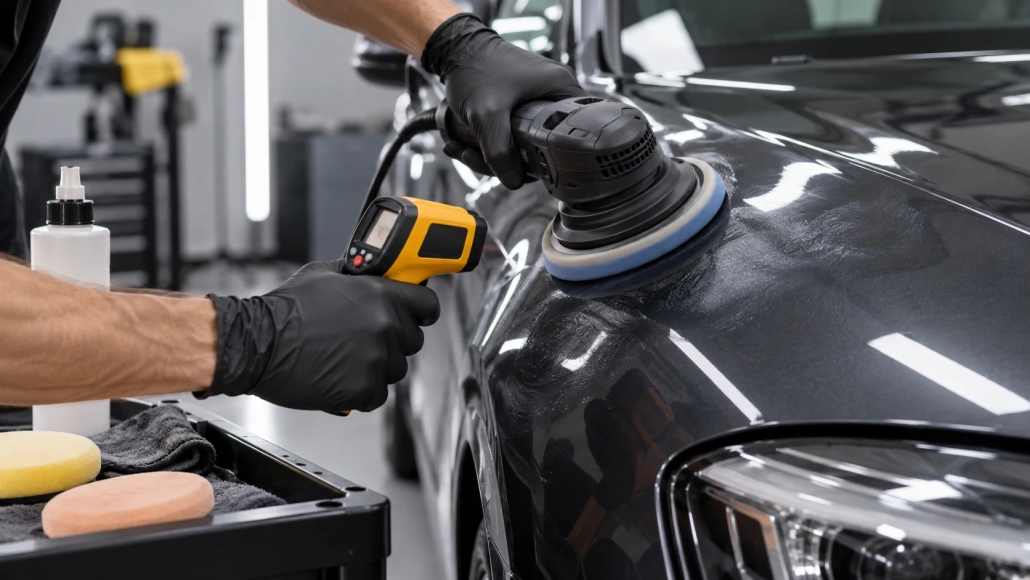
The first glance immediately after a polishing pass may not be the best basis for approving the finish. Residue, local conditions and strong reflections can complicate the view. A deliberate inspection sequence helps distinguish the actual correction result from a temporary appearance during the working process.
Monitor the process according to the tool, pad and product guidance, and stop when conditions or surface response require it. Do not wait for a visible defect before considering heat. Allow the area to reach suitable inspection and next-step conditions without improvised cooling methods.
Use the polishing heat-management guide for the broader workflow. A surface feeling comfortable does not by itself establish that every correction decision was appropriate.
Follow the polishing and subsequent coating instructions for residue removal. Use clean, suitable towels and avoid adding an unfamiliar gloss product before inspection. Material left on the surface can influence how defects appear.
The residue and defect-masking guide explains why this step matters. Do not assume that repeated wiping with more pressure produces a more accurate view.
Inspect the same area under useful broad and directional light. Compare with the recorded test spot or agreed finish target. Check curves and transitions rather than approving only the most reflective central section of the panel.
Use inspection reflection angles to reduce visual ambiguity. Photographs can support the record, but different camera settings or lighting may make before-and-after images an unreliable direct comparison.
If defects remain, consider their depth, the paint condition and the agreed service scope before continuing. An unresolved mark does not automatically justify another abrasive cycle. Record what will remain and communicate material limitations to the customer.
The polishing stopping-point guide supports that decision. Once the finish is accepted, complete the coating’s final preparation requirements so the next stage begins from a clean, known and suitably inspected surface.
Plan polishing sections, pad rotation and inspection pauses to keep heat and tool control within the limits of the surface and equipment.
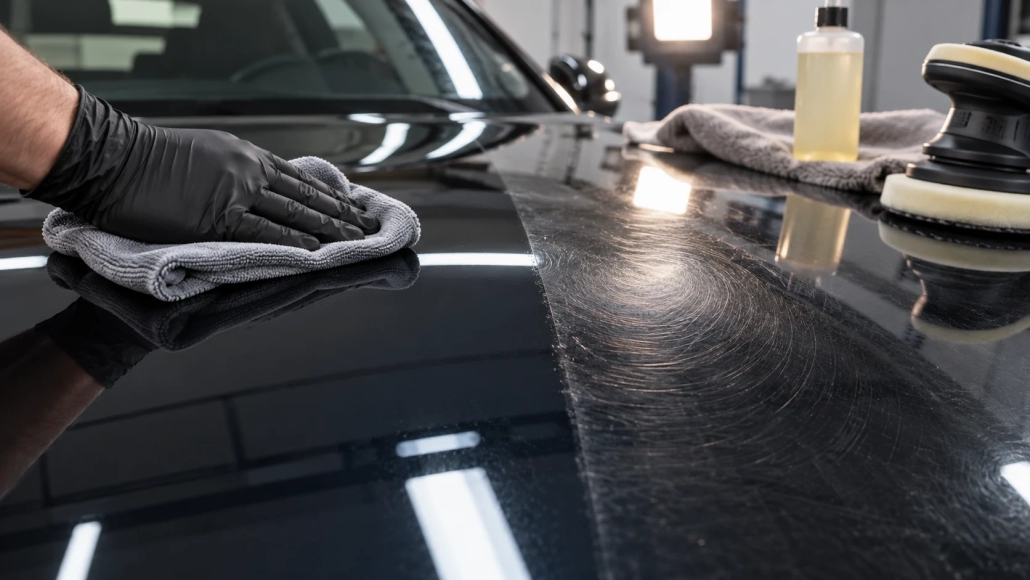
Inspect corrected paint after suitable residue removal to distinguish lasting defect improvement from temporary masking by polishing residue.
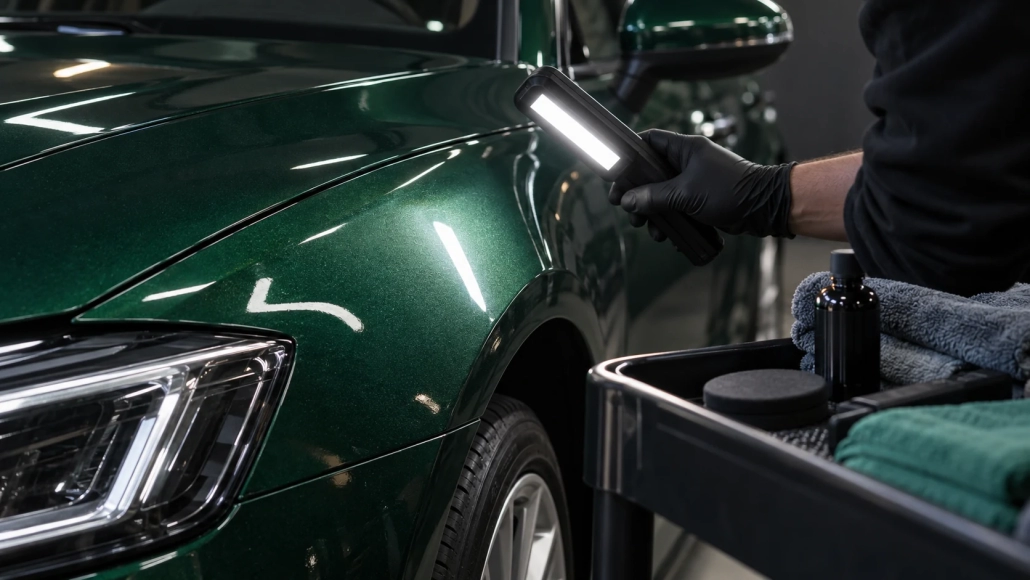
Use different viewing and lighting angles to distinguish reflections, residue and visible coating defects without repeatedly wiping a finished panel.

 Planning a Local Polish on a Ceramic-Coated Panel