
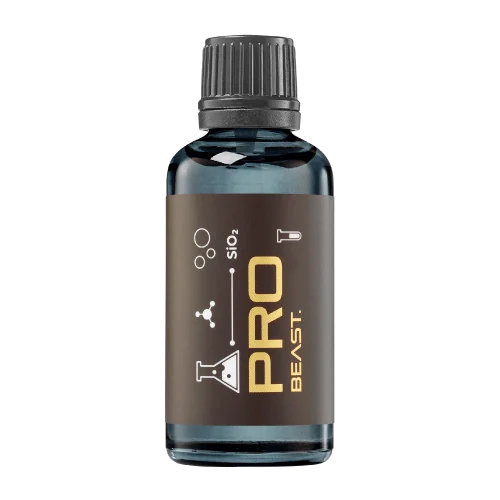

IN DEVELOPMENT / MATRIX SERIES
MATRIX ELITE P7020
The next flagship of the MATRIX series.
75%Solids content
Specialist chemistry. Expert application.
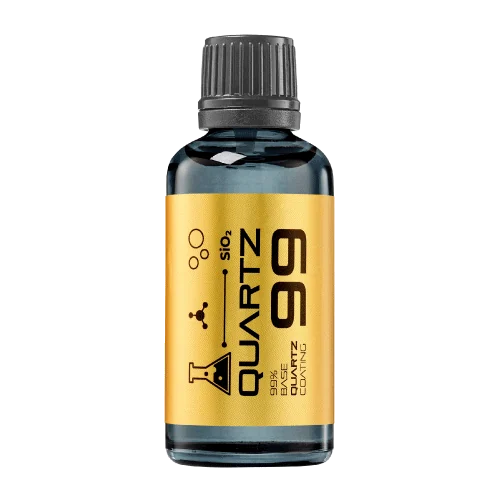 QUARTZ99 / CERAMIC BASE COAT
The foundation of your coating system.
A layerable quartz base coat designed for mechanical protection. Pair it with a suitable top coat to create the final finish.
For application by NANOLAB certified installers only.
Extended working time. A coating for the way you work.
 P5012MATRIX PRORefined protection for glossy finishes.Application1/10Discover P503GMATRIX GRAPHENEVersatile protection for gloss and matte finishes.Application1/10Discover P303MATRIX LITEFor efficient, high-volume detailing.Application1/10Discover
 Explore the BEAST family of ceramic coatings.
Find the coating for each exterior surface.
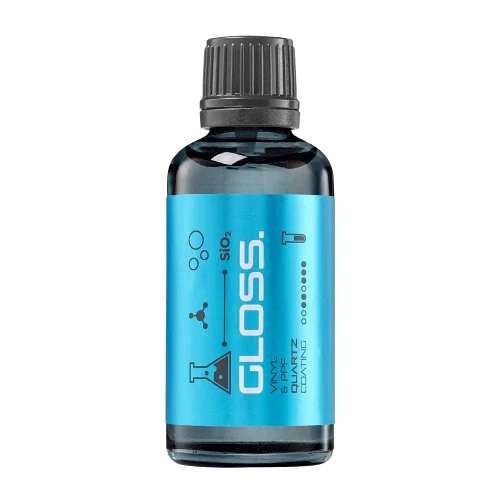 PPF & VINYLGLOSSProtection for glossy films and wraps.Application3/10Discover
 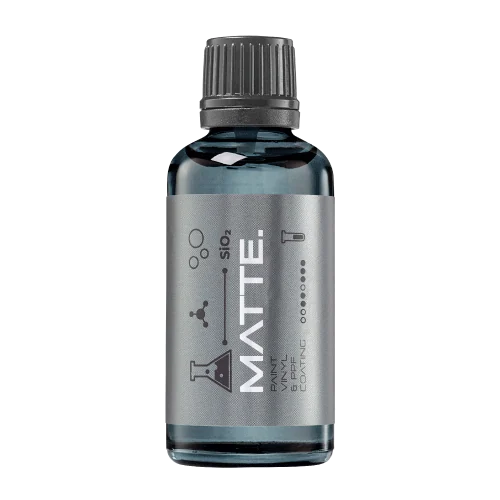 MATTE & SATINMATTEProtection that respects the finish.Application3/10Discover
 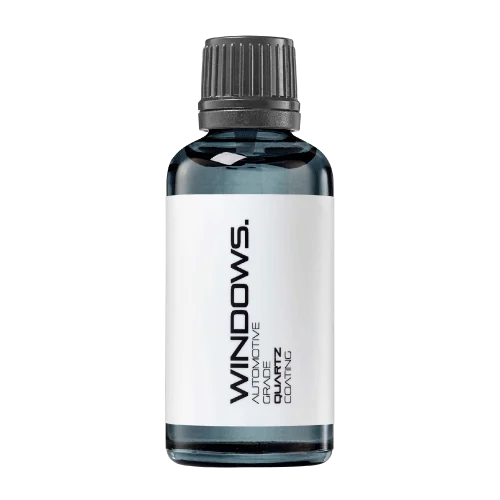 GLASSWINDOWSExplore dedicated glass protection.Application3/10Discover
 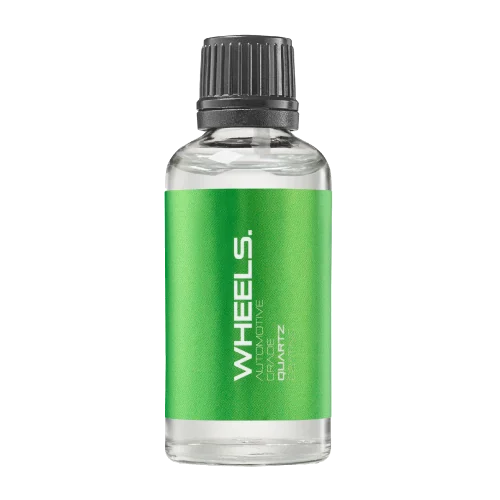 WHEEL PROTECTIONWHEELSA dedicated coating for your wheels.Application2/10Discover
 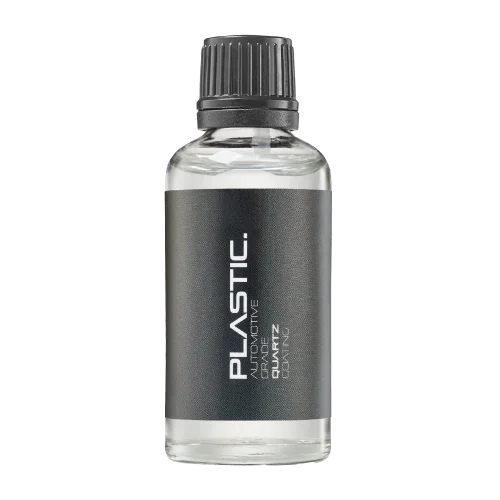 TRIM PROTECTIONPLASTICProtection for plastic surfaces.Application2/10Discover
 Dedicated care for the surfaces inside.
 LEATHER SURFACESLEATHERDiscover NANOLAB leather protection.Application5/10Discover PLASTIC SURFACESPLASTICProtection for interior plastic surfaces.Application2/10Discover TEXTILE SURFACESFABRICExplore the latest fabric formulation.Application2/10Discover
 Spray protection, maintenance and upcoming wash products.
 MAINTENANCEBEAST 365Explore the BEAST maintenance range.Application4/10Discover
 Next in washing, cleaning & care.
Ceramic protection for boats and yachts.
An easy-to-apply ceramic coating with an established track record on boats and yachts around the world.
Results vary with surface preparation, exposure and maintenance.
Read 50 MARINE guides →Explore MARINE Application4/10Protection for the surfaces you live with.
A look at what we’re developing.
The next flagship of the MATRIX series.
From cutting and one-step correction to final finishing.
A wider range for professional vehicle care.
Taking shape alongside BEAST & MATRIX.
Practical guidance for your next coating project.
Explore all guides →
Confirm the machine, plate and pad combination before polishing so attachment, clearance and operating limits suit the intended work.
Updated · NANOLAB Knowledge
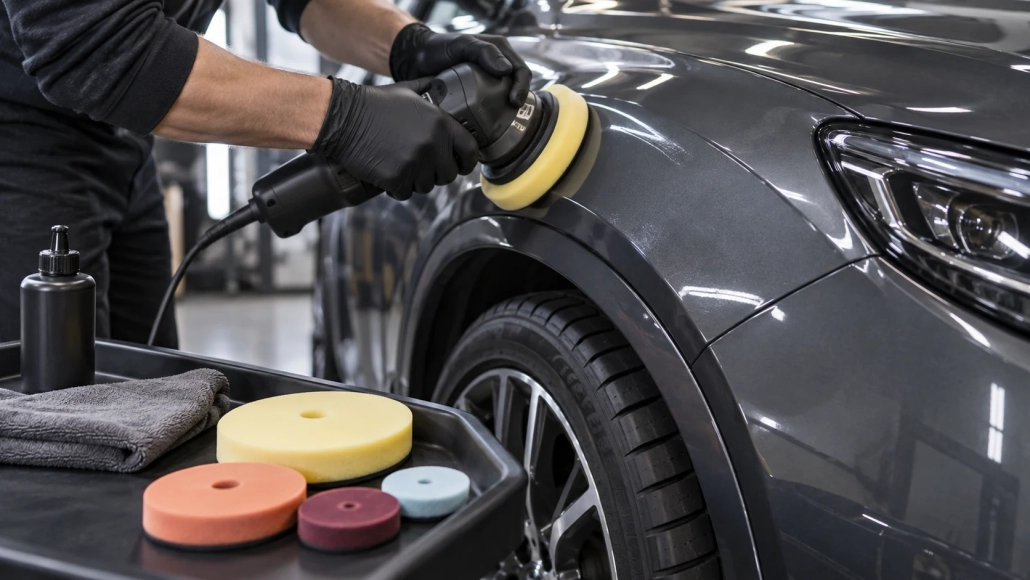
A polishing pad must be compatible with the machine and backing plate used to drive it. Similar diameter labels do not establish the entire fit, and a pad that attaches physically may still be unsuitable for the tool or operating conditions. Check the equipment instructions before beginning correction on a vehicle.
Review the machine, backing-plate and pad guidance for attachment type, size and operating limits. Do not improvise adapters or use a visibly unsuitable combination to reach a difficult area. Select equipment designed for the task instead.
The pad size and contours guide connects tool choice to vehicle geometry. A smaller working area may need a different approved setup, not merely a larger pad folded around a contour.
Check the plate and pad for damage, contamination and wear before fitting them as instructed. Ensure the attachment is seated correctly and the pad is positioned according to the equipment guidance. A damaged or dirty attachment interface can undermine an otherwise suitable combination.
Keep the check separate from pad cleanliness at the working face. Both matter, but a clean polishing surface does not prove the backing is in good condition.
Assess clearance around trim, edges and body lines with the tool safely positioned under its operating instructions. Avoid relying on the pad to protect an exposed backing plate from contacting an adjacent component. Arrange cables and the working position to support control.
Use polishing edges and body lines to identify areas needing a conservative approach. The tool should fit the work rather than forcing the work to fit the tool.
Stop and inspect if the tool develops unusual behaviour or the pad’s condition changes. Follow the equipment’s response guidance rather than continuing to finish a panel at any cost. Rotate or replace pads as required by their condition and the process.
The polishing pad rotation guide supports this routine. Compatibility checks are valuable because they protect process control and make the correction result more repeatable, not because any one pad size is universally correct.
Match pad size and approved tools to panel geometry so curved areas can be corrected with controlled contact and clear inspection.
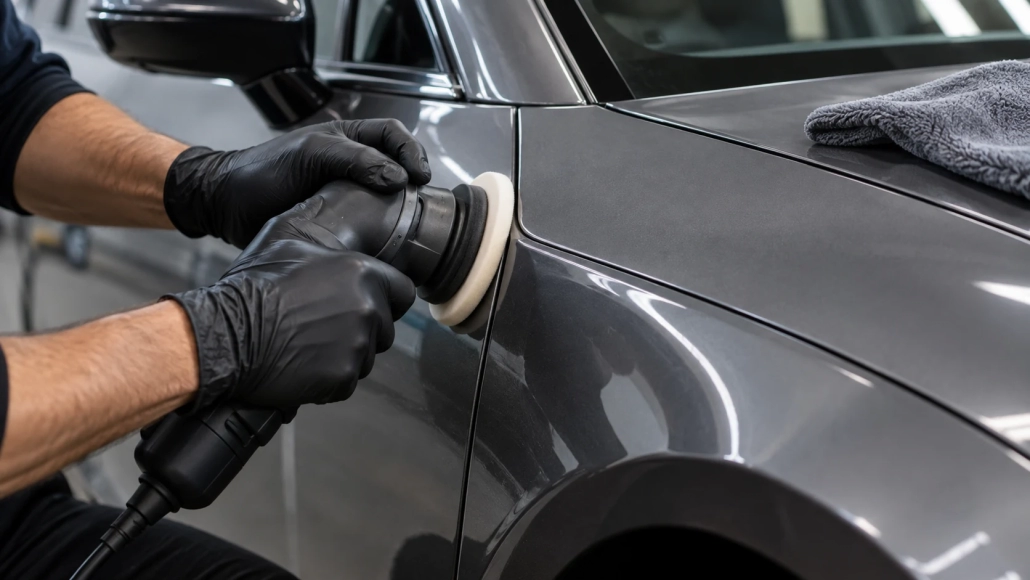
Plan paint correction around panel edges, sharp body lines and adjacent trim to reduce unnecessary abrasion and tool contact.
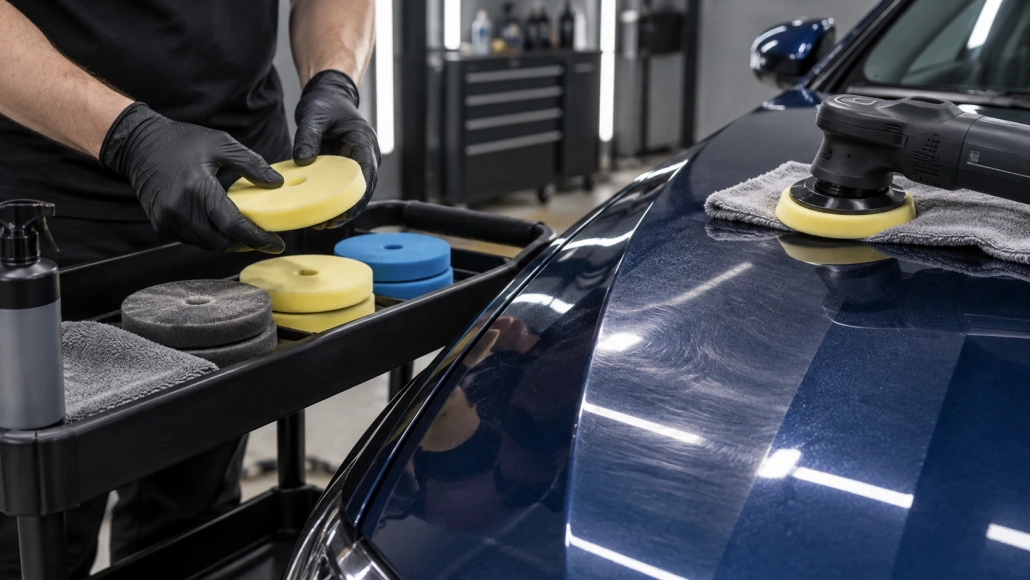
Keep polishing results consistent by rotating clean pads, separating correction stages and recognising when a pad should be retired.

 Inspecting Polished Paint After the Working Area Settles