
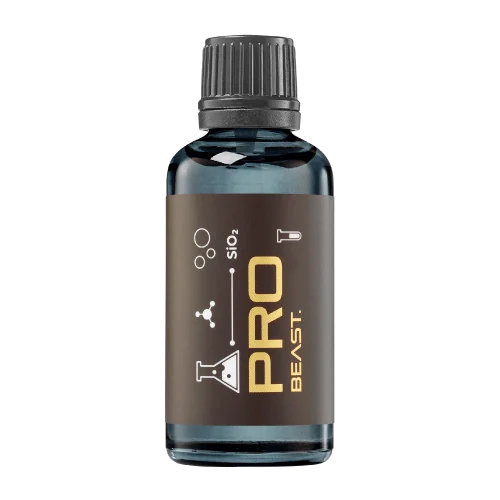

IN DEVELOPMENT / MATRIX SERIES
MATRIX ELITE P7020
The next flagship of the MATRIX series.
75%Solids content
Specialist chemistry. Expert application.
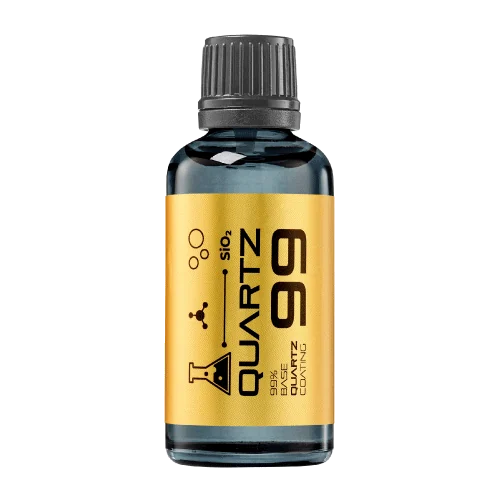 QUARTZ99 / CERAMIC BASE COAT
The foundation of your coating system.
A layerable quartz base coat designed for mechanical protection. Pair it with a suitable top coat to create the final finish.
For application by NANOLAB certified installers only.
Extended working time. A coating for the way you work.
 P5012MATRIX PRORefined protection for glossy finishes.Application1/10Discover P503GMATRIX GRAPHENEVersatile protection for gloss and matte finishes.Application1/10Discover P303MATRIX LITEFor efficient, high-volume detailing.Application1/10Discover
 Explore the BEAST family of ceramic coatings.
Find the coating for each exterior surface.
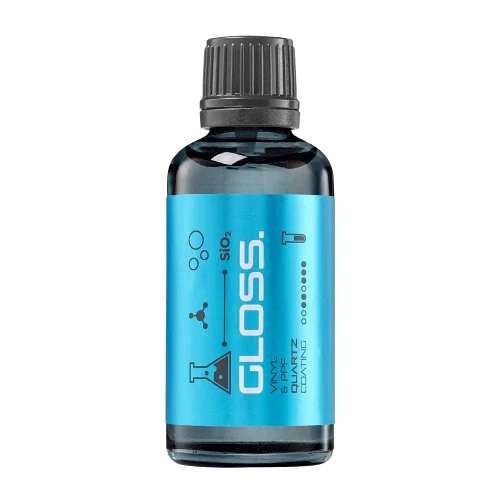 PPF & VINYLGLOSSProtection for glossy films and wraps.Application3/10Discover
 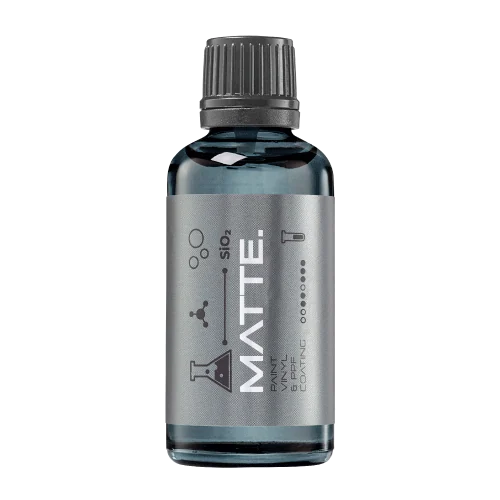 MATTE & SATINMATTEProtection that respects the finish.Application3/10Discover
 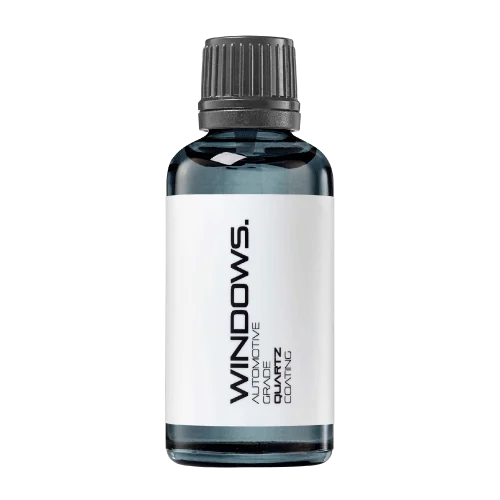 GLASSWINDOWSExplore dedicated glass protection.Application3/10Discover
 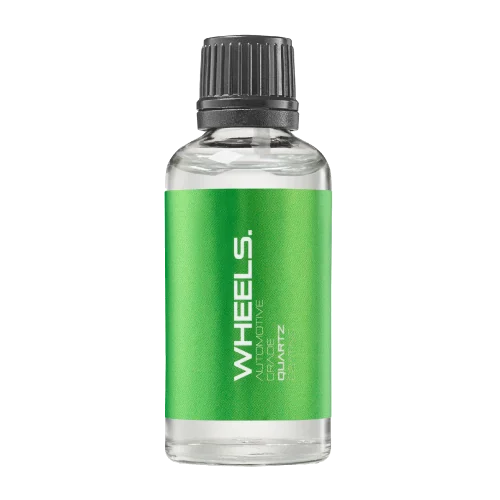 WHEEL PROTECTIONWHEELSA dedicated coating for your wheels.Application2/10Discover
 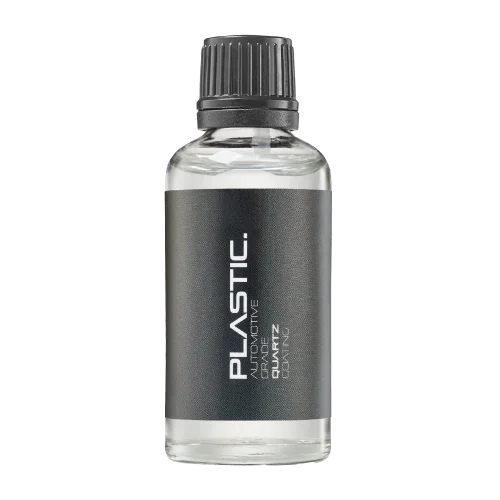 TRIM PROTECTIONPLASTICProtection for plastic surfaces.Application2/10Discover
 Dedicated care for the surfaces inside.
 LEATHER SURFACESLEATHERDiscover NANOLAB leather protection.Application5/10Discover PLASTIC SURFACESPLASTICProtection for interior plastic surfaces.Application2/10Discover TEXTILE SURFACESFABRICExplore the latest fabric formulation.Application2/10Discover
 Spray protection, maintenance and upcoming wash products.
 MAINTENANCEBEAST 365Explore the BEAST maintenance range.Application4/10Discover
 Next in washing, cleaning & care.
Ceramic protection for boats and yachts.
An easy-to-apply ceramic coating with an established track record on boats and yachts around the world.
Results vary with surface preparation, exposure and maintenance.
Read 50 MARINE guides →Explore MARINE Application4/10Protection for the surfaces you live with.
A look at what we’re developing.
The next flagship of the MATRIX series.
From cutting and one-step correction to final finishing.
A wider range for professional vehicle care.
Taking shape alongside BEAST & MATRIX.
Practical guidance for your next coating project.
Explore all guides →
Assess the finish and realistic correction goals before choosing hand polishing as part of preparation for a ceramic coating.
Updated · NANOLAB Knowledge
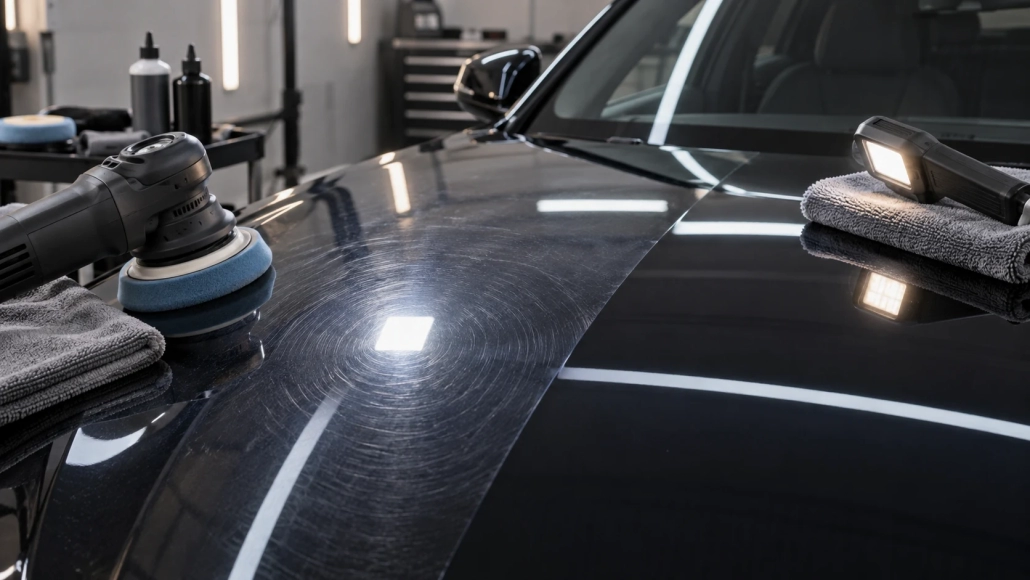
Hand polishing may be useful for some accessible areas or limited correction goals, but the method should follow the paint condition and product instructions. The question is not simply whether polishing is done by hand or machine. It is whether the chosen process produces a suitable, inspected surface without unnecessary removal of paint material.
Inspect the clean paint and identify the defects the owner wants addressed. Separate contamination, light appearance concerns and deeper damage. Do not assume that every mark can be removed safely by spending more time with a hand applicator.
The paint inspection guide helps establish the starting point. Coating does not erase defects that remain after preparation, so agree a realistic result before proceeding.
Use a suitable hand-polishing product and applicator according to their instructions on a permitted test area. Keep the process controlled and inspect the result after appropriate residue removal. Judge improvement under useful lighting rather than from the product’s wet appearance.
Use the polishing test-spot record to compare the result with the intended outcome. The test may show that hand work is sufficient, that expectations need adjusting or that professional machine correction should be considered.
Large panels can make consistent hand correction demanding, while narrow or awkward areas may require a carefully chosen manual approach. Avoid concentrating repeated pressure on a small mark without understanding the finish’s condition. Edges, repairs and uncertain paint need particular judgement.
The polishing stopping-point guide helps decide when further correction is not justified. The goal is a suitable finish, not proving that one technique can solve every defect.
After polishing, follow the coating’s approved cleaning and final preparation requirements. Inspect for residue, remaining defects and readiness before application. A glossy hand-polished surface is not automatically free of material that could affect the coating process.
Use panel preparation before coating for that final stage. Choose hand polishing when its controlled result meets the agreed need, and keep the decision grounded in the actual surface rather than the method’s convenience alone.
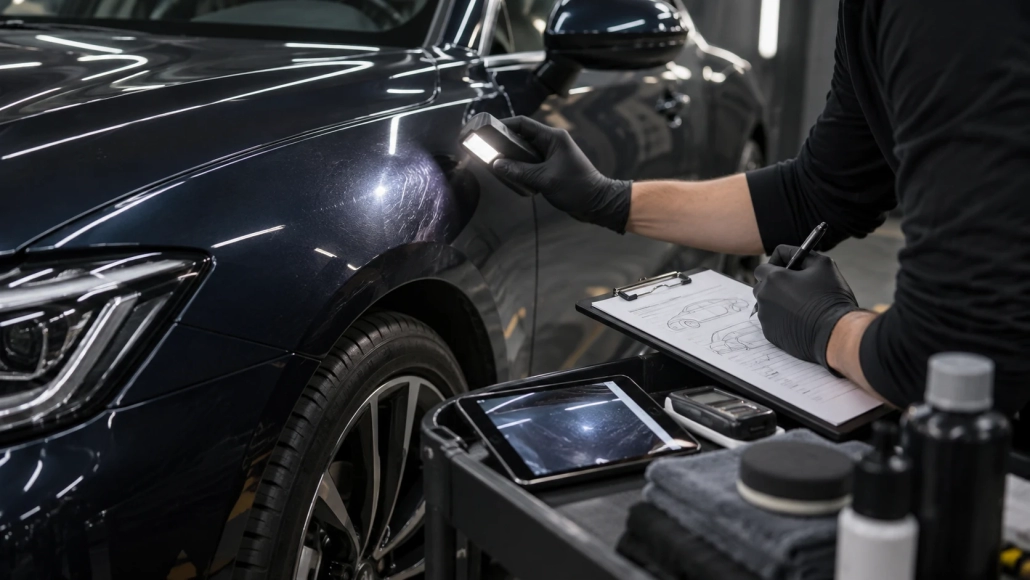
Create a useful record of paint condition, repairs and agreed correction limits before preparation and coating begin.
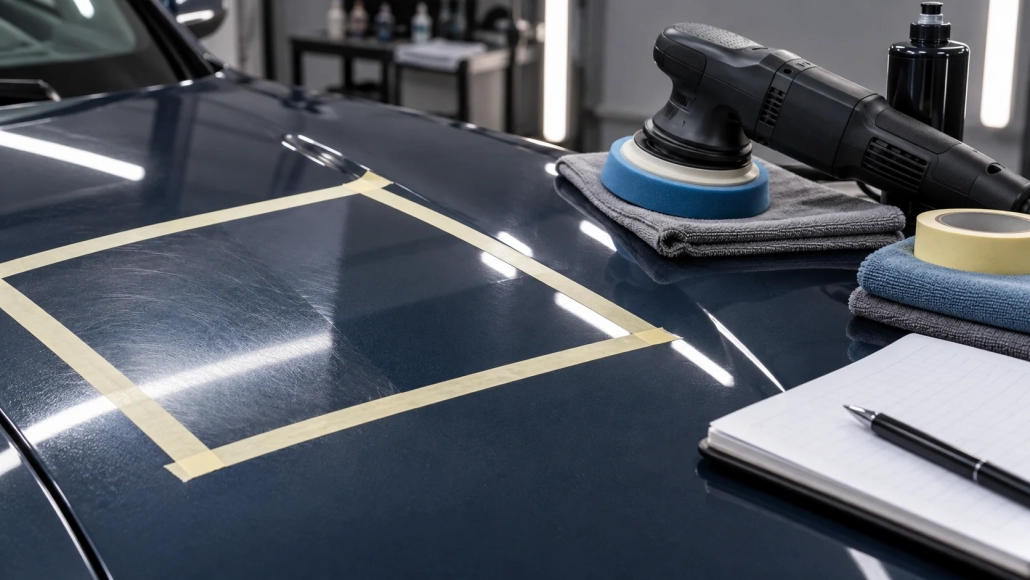
Document pad, polish, machine, surface and inspection results so a successful polishing test can guide the rest of the vehicle.
Set a paint-correction stopping point that balances appearance, remaining defects, paint condition and the customer's intended use.

 Checking Polishing Pad and Backing-Plate Compatibility