






A full polishing range.
From cutting and one-step correction to final finishing.
Specialist chemistry. Expert application.
 QUARTZ99 / CERAMIC BASE COAT
The foundation of your coating system.
A layerable quartz base coat designed for mechanical protection. Pair it with a suitable top coat to create the final finish.
For application by NANOLAB certified installers only.
Four formulas. Extended working time. Find the coating for your finish.
Explore the BEAST family of ceramic coatings.
Find the coating for each exterior surface.
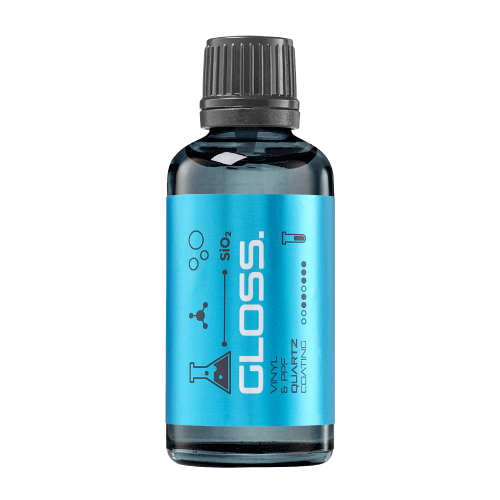
 PPF & VINYLGLOSSProtection for glossy films and wraps.Discover
 MATTE & SATINMATTEProtection that respects the finish.Discover
 GLASSWINDOWSExplore dedicated glass protection.Discover
 WHEEL PROTECTIONWHEELSA dedicated coating for your wheels.Discover
 TRIM PROTECTIONPLASTICProtection for plastic surfaces.Discover
Dedicated care for the surfaces inside.
 LEATHER SURFACESLEATHERDiscover NANOLAB leather protection.Discover PLASTIC SURFACESPLASTICProtection for interior plastic surfaces.Discover TEXTILE SURFACESFABRICExplore the latest fabric formulation.Discover
Spray protection, maintenance and upcoming wash products.
 MAINTENANCEBEAST 365Explore the BEAST maintenance range.Discover
Next in washing, cleaning & care.
Ceramic protection for boats and yachts.
An easy-to-apply ceramic coating with an established track record on boats and yachts around the world.
Results vary with surface preparation, exposure and maintenance.
Read 50 MARINE guides →Explore MARINEProtection for the surfaces you live with.
A look at what we’re developing.
From cutting and one-step correction to final finishing.
A wider range for professional vehicle care.
Taking shape alongside BEAST & MATRIX.
Practical guidance for your next coating project.
Explore all guides →
Practical guides for vehicle care, boats, living spaces, shower glass, stainless steel and private-label coating projects.
Explore 3219 guides, covering surface preparation, product selection, application and everyday maintenance.

Comparing coatings on different film samples can mix treatment effects with film variation. Comparable substrates improve interpretation.
A colour-change wrap can have complex appearance under different light. Documenting its starting condition helps assess any later concern.
A booster should not conceal unresolved dirt or edge damage. Inspect the film after appropriate cleaning and before adding another layer.
Wrap overlaps create a physical boundary that can influence application and appearance. The overlap should be assessed as part of the actual installation.
Film and coating support may come from different providers. Keeping both sets of instructions helps future service decisions.
A coating decision should consider whether graphics will later be replaced or removed. The service plan extends beyond the first finished appearance.
A sample board should preserve the identity of each film finish. Similar colours can hide important differences in permitted products and appearance.

Residue remaining from film installation should be resolved before coating. The cleaning method must suit the film and its installation state.
Replacing one film section changes that area's protection history. The vehicle's original coating date no longer describes every panel.
A factory self-cleaning surface may use a different wetting mechanism from a water-repellent aftermarket coating. Adding another layer can change the intended surface.
Low-E describes a glazing function, not which exposed surface is available for treatment. The glass construction and coating location must be identified.
Treating the glass face does not automatically qualify contact with exposed edges, interlayers or perimeter materials.