






A full polishing range.
From cutting and one-step correction to final finishing.
Specialist chemistry. Expert application.
 QUARTZ99 / CERAMIC BASE COAT
The foundation of your coating system.
A layerable quartz base coat designed for mechanical protection. Pair it with a suitable top coat to create the final finish.
For application by NANOLAB certified installers only.
Four formulas. Extended working time. Find the coating for your finish.
Explore the BEAST family of ceramic coatings.
Find the coating for each exterior surface.
 PPF & VINYLGLOSSProtection for glossy films and wraps.Discover
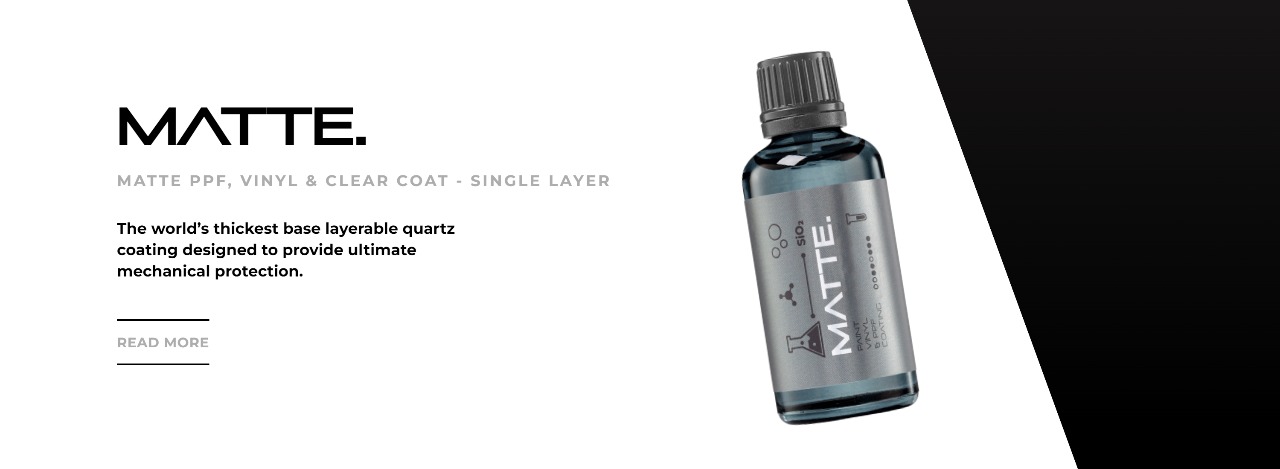
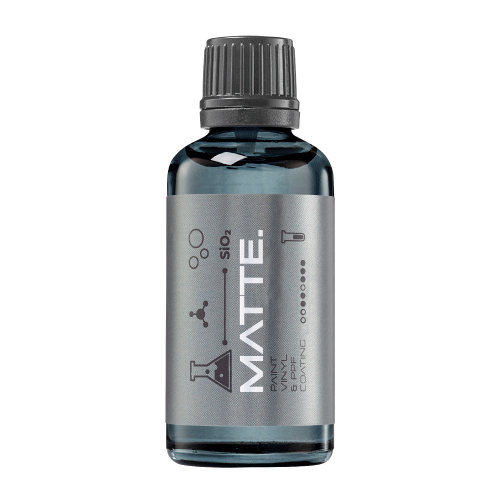
 MATTE & SATINMATTEProtection that respects the finish.Discover
 GLASSWINDOWSExplore dedicated glass protection.Discover
 WHEEL PROTECTIONWHEELSA dedicated coating for your wheels.Discover
 TRIM PROTECTIONPLASTICProtection for plastic surfaces.Discover
Dedicated care for the surfaces inside.
 LEATHER SURFACESLEATHERDiscover NANOLAB leather protection.Discover PLASTIC SURFACESPLASTICProtection for interior plastic surfaces.Discover TEXTILE SURFACESFABRICExplore the latest fabric formulation.Discover
Spray protection, maintenance and upcoming wash products.
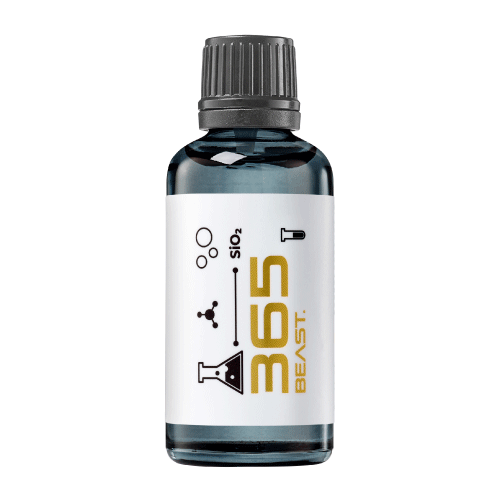
 MAINTENANCEBEAST 365Explore the BEAST maintenance range.Discover
Next in washing, cleaning & care.
Ceramic protection for boats and yachts.
An easy-to-apply ceramic coating with an established track record on boats and yachts around the world.
Results vary with surface preparation, exposure and maintenance.
Read 50 MARINE guides →Explore MARINEProtection for the surfaces you live with.
A look at what we’re developing.
From cutting and one-step correction to final finishing.
A wider range for professional vehicle care.
Taking shape alongside BEAST & MATRIX.
Practical guidance for your next coating project.
Explore all guides →
Practical guides for vehicle care, boats, living spaces, shower glass, stainless steel and private-label coating projects.
Explore 3219 guides, covering surface preparation, product selection, application and everyday maintenance.
A drying aid can leave its own effect on the exposed surface. Subsequent water behaviour may therefore reflect more than the original coating.

An automatic dosing system still needs verification under its operating procedure. A dial setting alone does not establish the delivered mixture.
Water quality is one possible contributor to post-wash marks, but cleaner residue, drying technique and runoff also deserve review.
A maintenance history is more useful when it identifies the actual products used. Brand names alone may hide different formulas or variants.
A treatment-system reading and water delivered at the hose outlet can answer different questions. Downstream equipment may affect the delivered water.
Cleaner dwell instructions belong to the exact product and conditions. A test area still needs active supervision.
One purchase order can contain several manufacturing lots. The order number alone may not locate a batch-specific consumable issue.
A coating does not eliminate the need to remove accumulated road contamination. Care should also respect the vehicle's materials and instructions.
Different washing frequencies change the exposure history of trial vehicles. Record them instead of comparing only installation dates.
Air used for drying should be appropriate for the surface and equipment instructions. A compressor system can introduce its own contamination concerns.
Workshop care records do not describe everything applied between visits. Customer-used products are relevant when investigating a change.
A cleaning-time comparison needs a common endpoint. Stopping when each operator feels satisfied can produce inconsistent results.