






A full polishing range.
From cutting and one-step correction to final finishing.
Specialist chemistry. Expert application.
 QUARTZ99 / CERAMIC BASE COAT
The foundation of your coating system.
A layerable quartz base coat designed for mechanical protection. Pair it with a suitable top coat to create the final finish.
For application by NANOLAB certified installers only.
Four formulas. Extended working time. Find the coating for your finish.
Explore the BEAST family of ceramic coatings.
Find the coating for each exterior surface.
 PPF & VINYLGLOSSProtection for glossy films and wraps.Discover
 MATTE & SATINMATTEProtection that respects the finish.Discover
 GLASSWINDOWSExplore dedicated glass protection.Discover
 WHEEL PROTECTIONWHEELSA dedicated coating for your wheels.Discover
 TRIM PROTECTIONPLASTICProtection for plastic surfaces.Discover
Dedicated care for the surfaces inside.
 LEATHER SURFACESLEATHERDiscover NANOLAB leather protection.Discover PLASTIC SURFACESPLASTICProtection for interior plastic surfaces.Discover TEXTILE SURFACESFABRICExplore the latest fabric formulation.Discover
Spray protection, maintenance and upcoming wash products.
 MAINTENANCEBEAST 365Explore the BEAST maintenance range.Discover
Next in washing, cleaning & care.
Ceramic protection for boats and yachts.
An easy-to-apply ceramic coating with an established track record on boats and yachts around the world.
Results vary with surface preparation, exposure and maintenance.
Read 50 MARINE guides →Explore MARINEProtection for the surfaces you live with.
A look at what we’re developing.
From cutting and one-step correction to final finishing.
A wider range for professional vehicle care.
Taking shape alongside BEAST & MATRIX.
Practical guidance for your next coating project.
Explore all guides →
Practical guides for vehicle care, boats, living spaces, shower glass, stainless steel and private-label coating projects.
Explore 3219 guides, covering surface preparation, product selection, application and everyday maintenance.
Cable management on a tall vehicle should be planned before roof correction. A cable brushing the finished side panel can undo careful polishing work.
A low working position changes which reflections reveal defects. Set an inspection position independently from the stool height used to operate the machine.
A spare-wheel cover can combine curved paint, flexible construction and attached trim. Confirm its finish and support before treating it like a normal rear panel.
A painted antenna cover is a small component with narrow edges and nearby seals. Its limited size calls for controlled scope rather than an aggressive miniature version of bonnet correction.
A glaze can change defect visibility before correction. Establish a clean inspection baseline so the test measures paint improvement rather than temporary masking.
A painted C-pillar often narrows toward glass and trim. Assess its geometry before transferring a large-panel correction process to the area.
Paint correction before a colour-change wrap should support the installer’s requirements. A highly protected show finish may be the wrong handover surface for adhesive film.
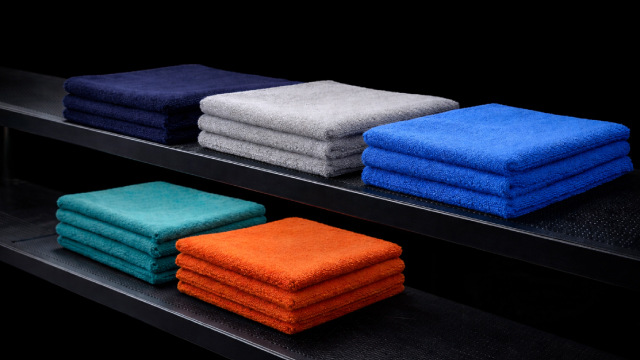
A three-stage correction job needs towel separation as well as pad separation. Residue carried from cutting into final inspection can confuse the result.
A front splitter can sit close to the floor and carry grit, impact damage or a different paint system. Its correction plan should reflect those conditions.
A shampoo leak can leave concentrated residue that spreads during wiping. Remove it before judging the condition of the glass coating.
A bathroom sticker adds an adhesive-removal question to coated-glass care. Treat the adhesive, coating and surrounding finishes as separate compatibility requirements.
A new hair conditioner can change the residue pattern on shower glass. Review the exposure and cleaning routine before declaring that the coating has failed.