






A full polishing range.
From cutting and one-step correction to final finishing.
Specialist chemistry. Expert application.
 QUARTZ99 / CERAMIC BASE COAT
The foundation of your coating system.
A layerable quartz base coat designed for mechanical protection. Pair it with a suitable top coat to create the final finish.
For application by NANOLAB certified installers only.
Four formulas. Extended working time. Find the coating for your finish.
Explore the BEAST family of ceramic coatings.
Find the coating for each exterior surface.
 PPF & VINYLGLOSSProtection for glossy films and wraps.Discover
 MATTE & SATINMATTEProtection that respects the finish.Discover
 GLASSWINDOWSExplore dedicated glass protection.Discover
 WHEEL PROTECTIONWHEELSA dedicated coating for your wheels.Discover
 TRIM PROTECTIONPLASTICProtection for plastic surfaces.Discover
Dedicated care for the surfaces inside.
 LEATHER SURFACESLEATHERDiscover NANOLAB leather protection.Discover PLASTIC SURFACESPLASTICProtection for interior plastic surfaces.Discover TEXTILE SURFACESFABRICExplore the latest fabric formulation.Discover
Spray protection, maintenance and upcoming wash products.
 MAINTENANCEBEAST 365Explore the BEAST maintenance range.Discover
Next in washing, cleaning & care.
Ceramic protection for boats and yachts.
An easy-to-apply ceramic coating with an established track record on boats and yachts around the world.
Results vary with surface preparation, exposure and maintenance.
Read 50 MARINE guides →Explore MARINEProtection for the surfaces you live with.
A look at what we’re developing.
From cutting and one-step correction to final finishing.
A wider range for professional vehicle care.
Taking shape alongside BEAST & MATRIX.
Practical guidance for your next coating project.
Explore all guides →
Practical guides for vehicle care, boats, living spaces, shower glass, stainless steel and private-label coating projects.
Explore 3219 guides, covering surface preparation, product selection, application and everyday maintenance.
A halo around a reflected inspection light can reveal a finish problem that a broad glossy reflection hides.
Brightness and image clarity are different aspects of a polished finish. A panel can reflect substantial light while the edges of reflected objects remain blurred.
Dark metallic paint combines a reflective clear surface with visible pigment effects beneath it.
Solid white paint can make fine finishing defects difficult to see under a bright, broad light.
Red paint can appear deeper or more saturated after finishing, but that visual change does not prove that polish restored pigment or repaired fading.
Fine lines noticed after wiping off finish polish can come from several sources: retained defects, polishing marring or the wiping contact itself.
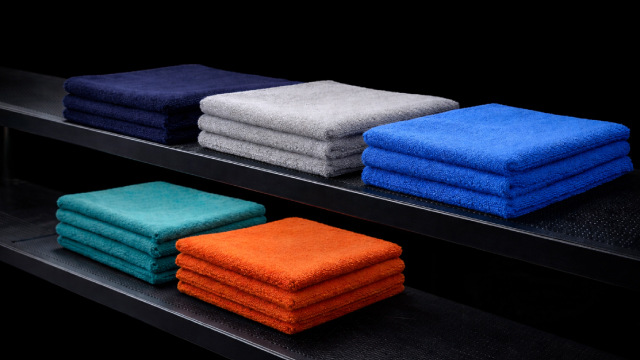
A towel can become saturated with finish-polish residue before it looks visibly dirty.
A workshop may contain ceiling panels, daylight, spot lamps and coloured reflections from nearby walls.
Sunlight can reveal finishing defects that were difficult to see indoors, but outdoor inspection introduces changing light, contamination and panel temperature.
A bright LED reflection can overwhelm a camera and hide the very haze a finish-polish photograph is meant to show.
Replacing a loaded finishing pad with a fresh one restores a cleaner starting condition, but it can also change the way the first section behaves.
A very soft foam pad may seem ideal for finish polish, yet its flexibility can make contact less stable on some contours.