






A full polishing range.
From cutting and one-step correction to final finishing.
Specialist chemistry. Expert application.
 QUARTZ99 / CERAMIC BASE COAT
The foundation of your coating system.
A layerable quartz base coat designed for mechanical protection. Pair it with a suitable top coat to create the final finish.
For application by NANOLAB certified installers only.
Four formulas. Extended working time. Find the coating for your finish.
Explore the BEAST family of ceramic coatings.
Find the coating for each exterior surface.
 PPF & VINYLGLOSSProtection for glossy films and wraps.Discover
 MATTE & SATINMATTEProtection that respects the finish.Discover
 GLASSWINDOWSExplore dedicated glass protection.Discover
 WHEEL PROTECTIONWHEELSA dedicated coating for your wheels.Discover
 TRIM PROTECTIONPLASTICProtection for plastic surfaces.Discover
Dedicated care for the surfaces inside.
 LEATHER SURFACESLEATHERDiscover NANOLAB leather protection.Discover PLASTIC SURFACESPLASTICProtection for interior plastic surfaces.Discover TEXTILE SURFACESFABRICExplore the latest fabric formulation.Discover
Spray protection, maintenance and upcoming wash products.
 MAINTENANCEBEAST 365Explore the BEAST maintenance range.Discover
Next in washing, cleaning & care.
Ceramic protection for boats and yachts.
An easy-to-apply ceramic coating with an established track record on boats and yachts around the world.
Results vary with surface preparation, exposure and maintenance.
Read 50 MARINE guides →Explore MARINEProtection for the surfaces you live with.
A look at what we’re developing.
From cutting and one-step correction to final finishing.
A wider range for professional vehicle care.
Taking shape alongside BEAST & MATRIX.
Practical guidance for your next coating project.
Explore all guides →
Understand nano ceramic coatings, water behaviour, hardness claims, wax and PPF before selecting protection.

Improve coating comparisons on curved parts by recording local slope, drop location and camera geometry instead of treating every bead as equivalent.
Evaluate transparent coated samples with separate transmission, haze and reflection checks so a good-looking reflection does not conceal reduced clarity.
Define edge and central scoring zones before a coating exposure trial so cut edges, fixtures and handling do not silently change the reported outcome.
Report coating results by meaningful surface zones and affected area so a strong overall average does not conceal a recurring local weakness.
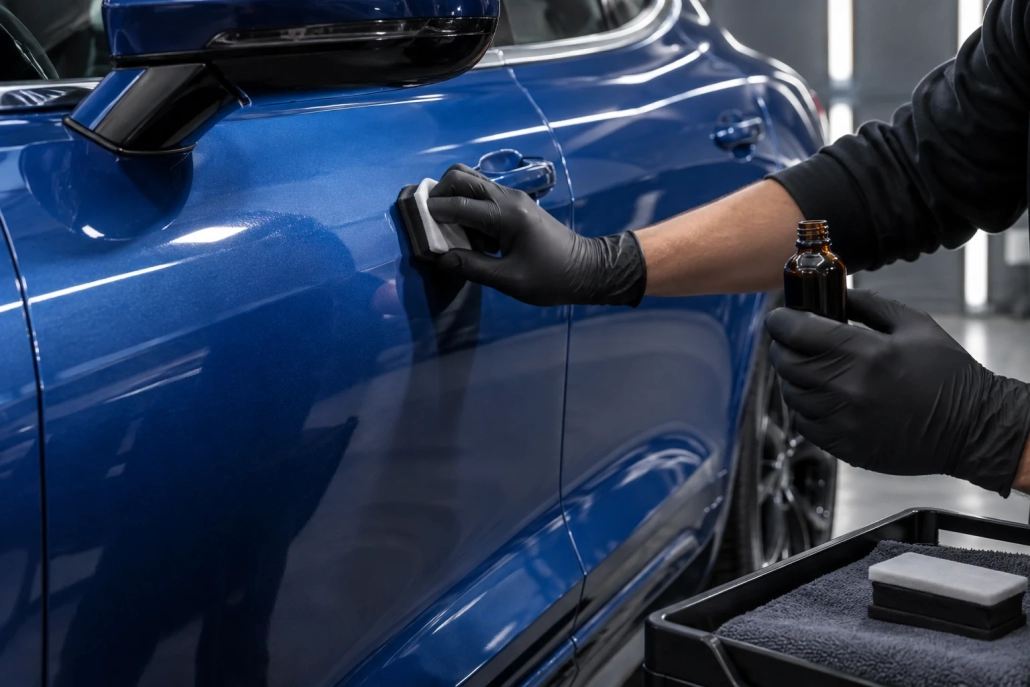
Understand what ceramic coating adds to vehicle paint, how preparation affects the result, and which everyday risks still require careful maintenance.
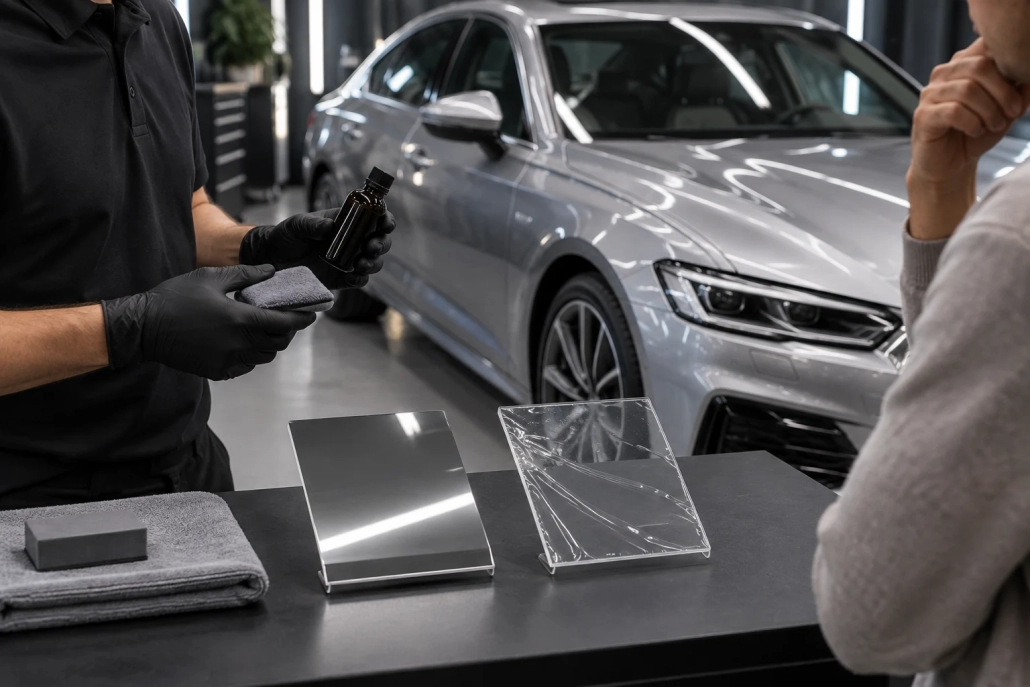
Compare the roles of ceramic coating and paint protection film, including impact protection, cleaning, appearance and compatibility when combining them.
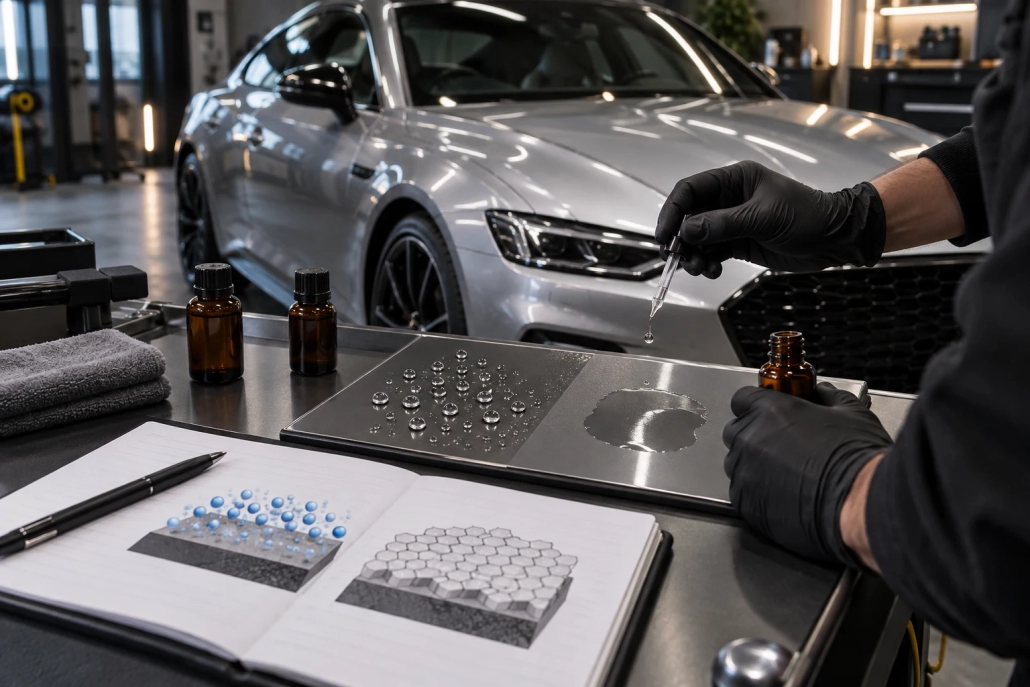
Learn why nano and ceramic are overlapping descriptions, and how to compare coatings using compatibility, application requirements and documented performance.
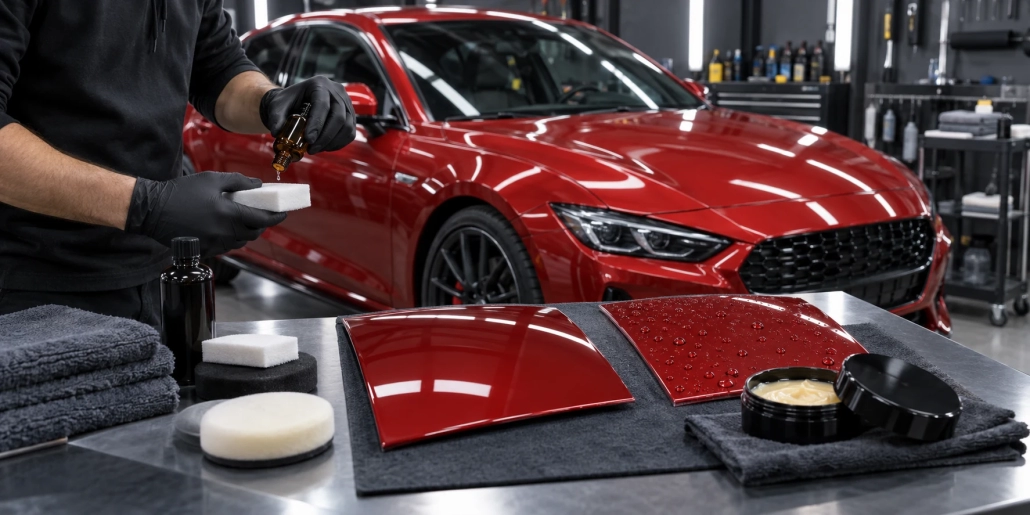
Compare ceramic coating and wax by preparation, upkeep and use, so you can choose a protection routine that fits the vehicle and your available time.
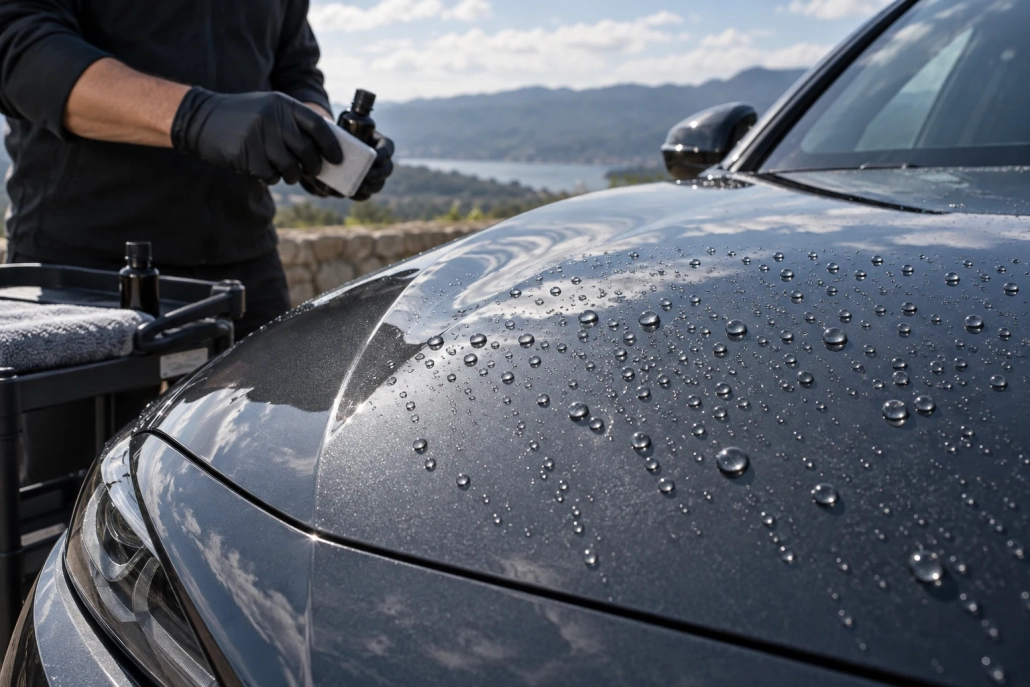
Understand water beading, sheeting and contamination, and why a single water test cannot prove a coating's condition or long-term protection.
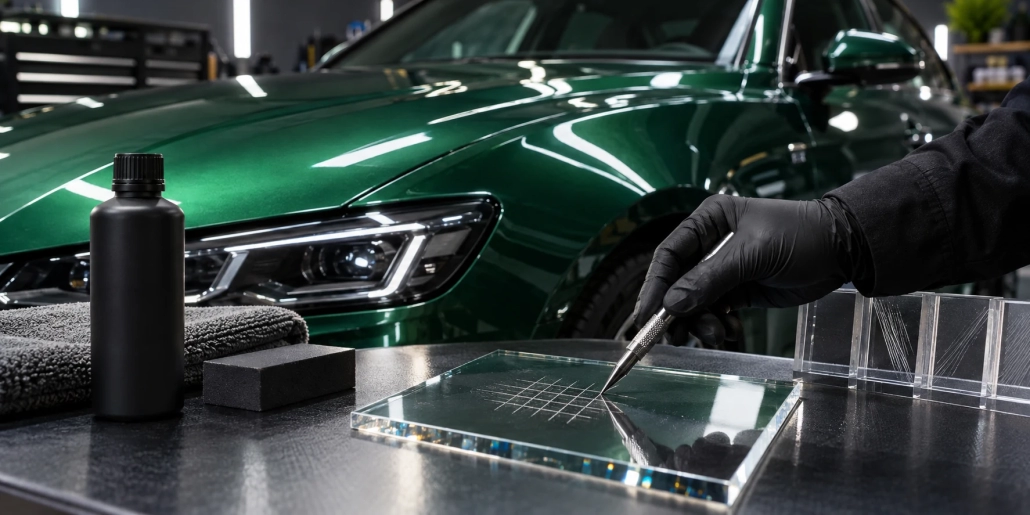
Learn how to interpret a pencil-hardness claim, why it differs from mineral hardness, and what it cannot tell you about real-world vehicle scratches.
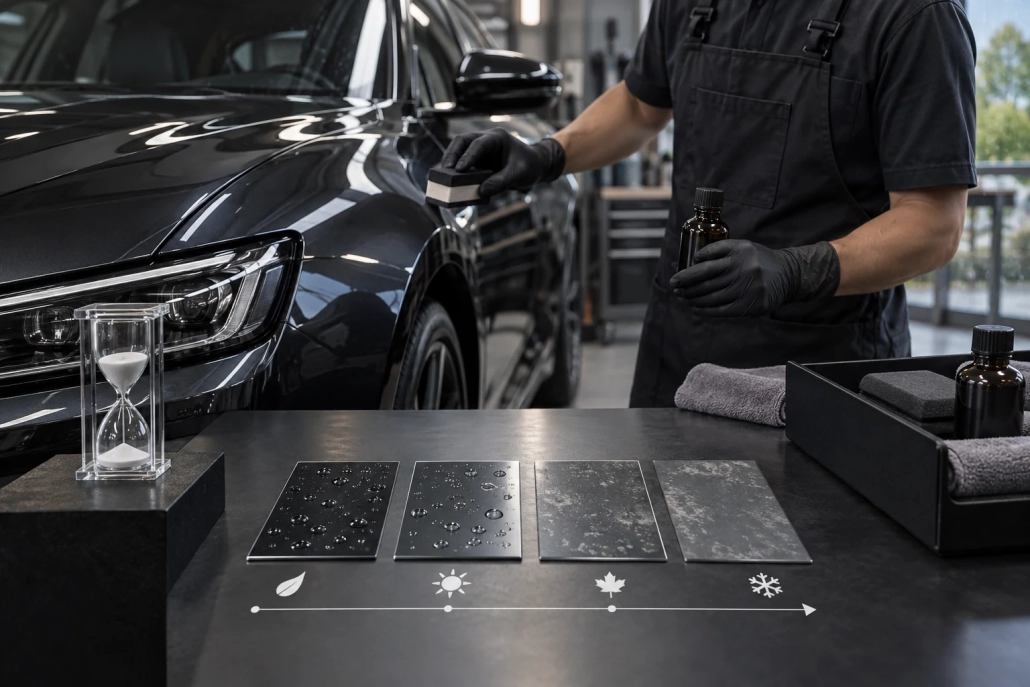
Understand the difference between coating lifespan, visible water behaviour and warranty terms, and how use and maintenance affect the result.
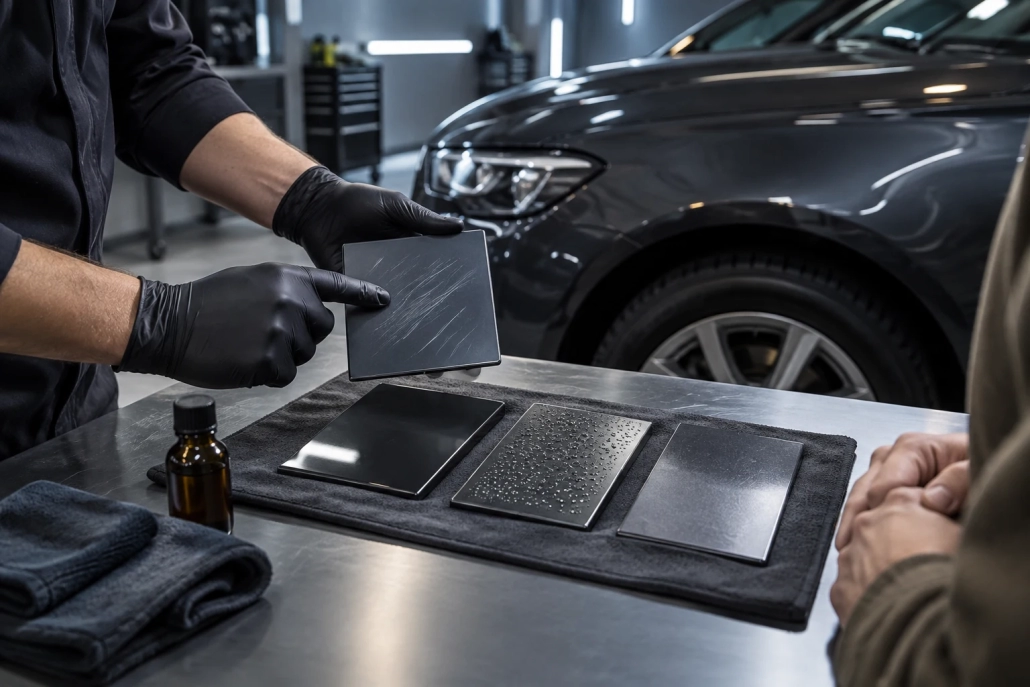
Set realistic expectations for scratches, stone chips, water spots and maintenance before choosing a ceramic coating for your vehicle.